
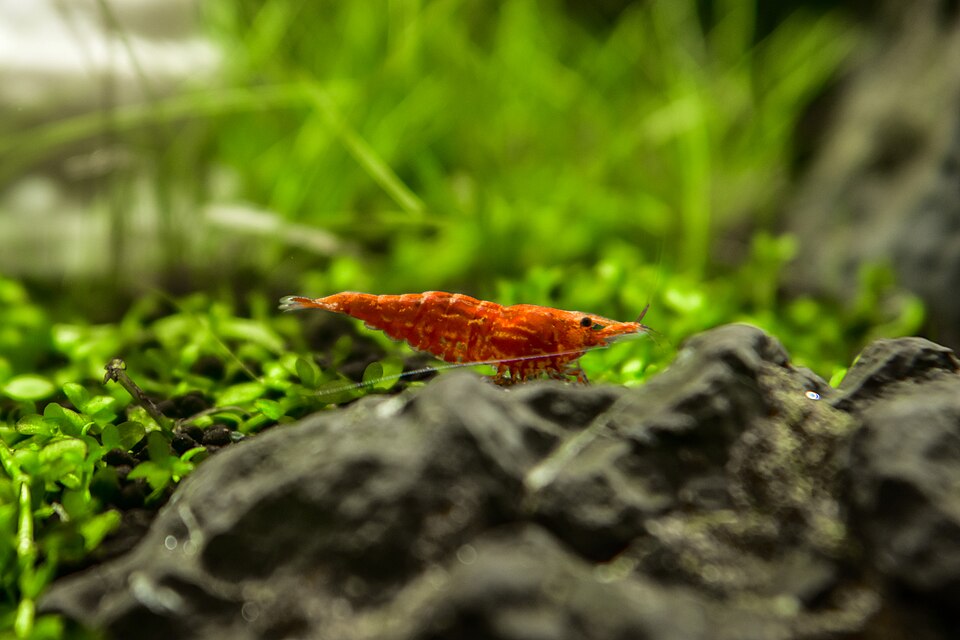
Hello, aquarium enthusiasts! 🦐
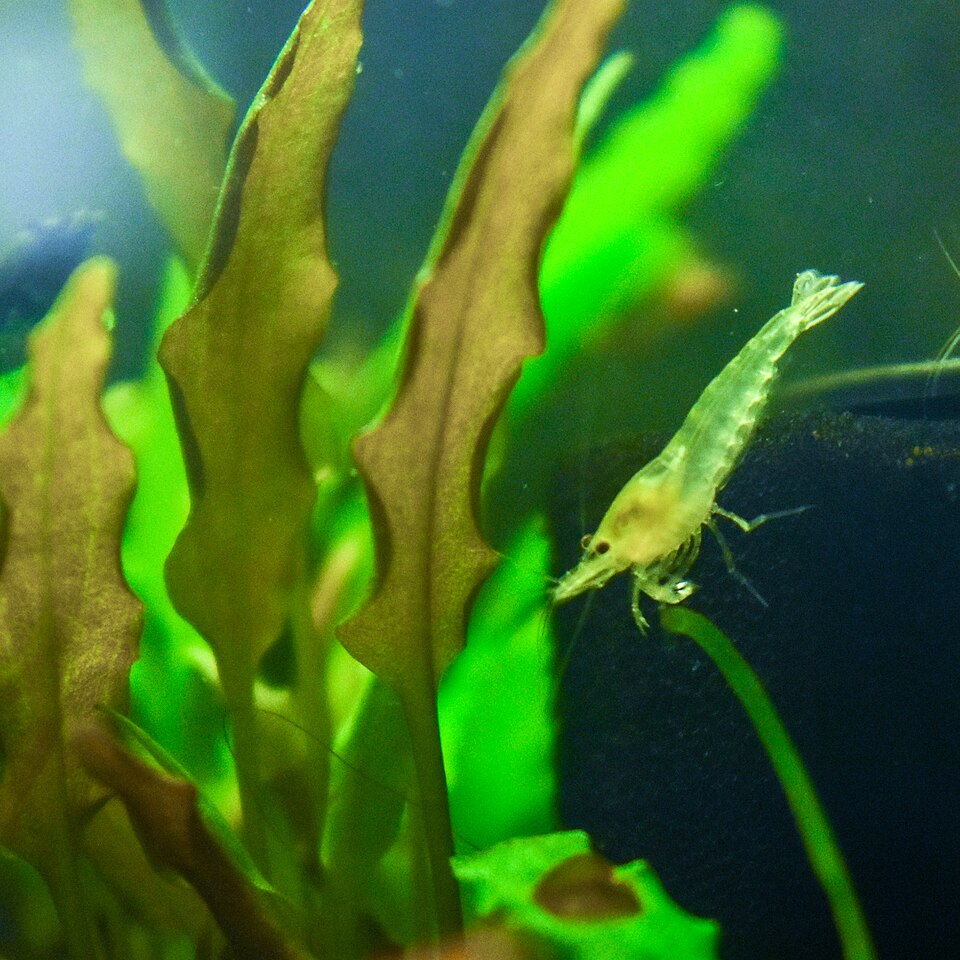
The world of freshwater aquariums is full of vibrant life, and few creatures add as much activity and color to a tank as the humble Dwarf Shrimp. Specifically, the Neocaridina davidi, most famously known as the Cherry Shrimp, has exploded in popularity for excellent reasons. These tiny, industrious invertebrates are perfect for nano tanks, dedicated shrimp colonies, and peaceful community aquariums. In this detailed guide, we will explore everything you need to know about keeping and caring for these fascinating little crustaceans. Whether you’re a seasoned aquarist looking for a new challenge or a complete beginner drawn to their bright colors, this review will provide all the information you need for a successful shrimp-keeping journey.
Overview
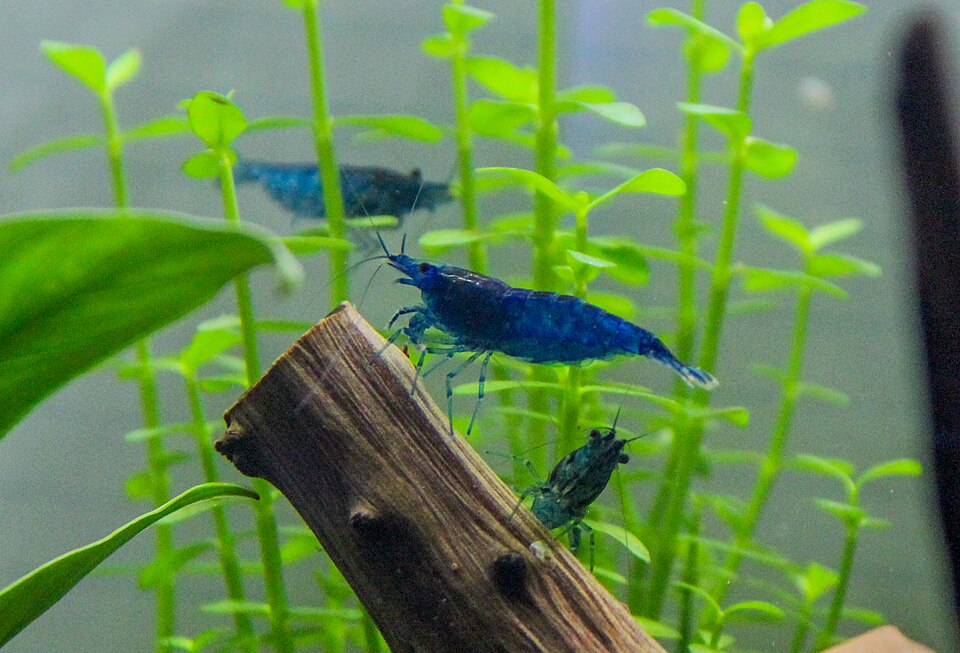
Dwarf Shrimp (Neocaridina davidi) are small, freshwater crustaceans originating from streams and ponds in Taiwan. They are celebrated for their vibrant colors, peaceful nature, and incredible work ethic as tank cleaners. Here’s a quick summary of what makes them such a popular choice:
- Handling and Temperament: Not for handling; best observed. Peaceful and busy.
- Care and Maintenance: Low-maintenance but require very stable, high-quality water conditions.
- Health and Durability: Sensitive to water parameter fluctuations and toxins like copper.
- Availability: Extremely widely available from breeders, online stores, and local fish shops.
- Cost: Very affordable to purchase; setup costs are low to moderate.
- Overall: A fantastic, rewarding pet for aquarists of all levels who value stability and observation.
Why Choose Dwarf Shrimp?
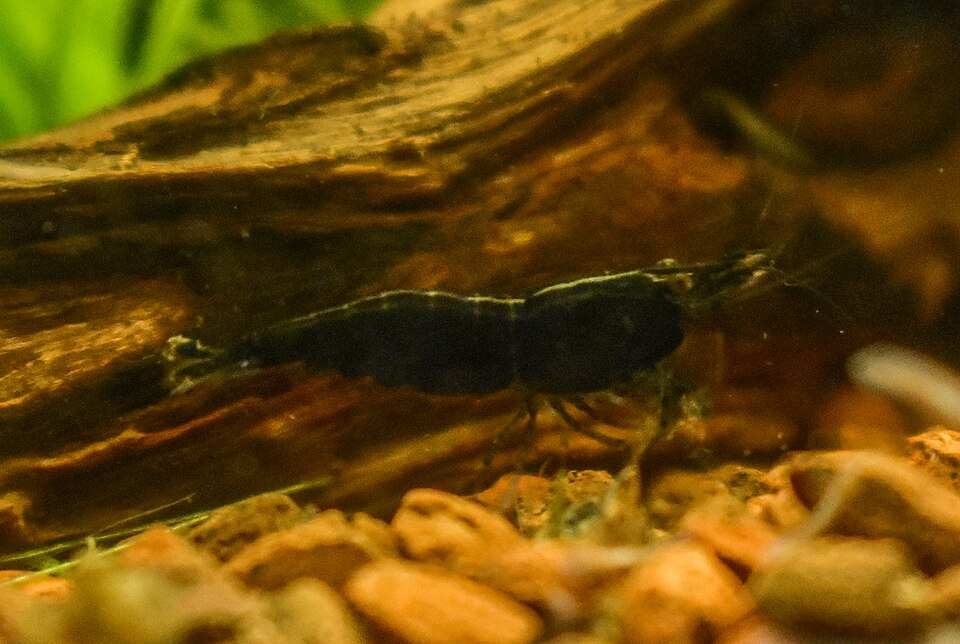
Dwarf Shrimp are the ideal choice for those seeking a captivating, low-impact, and industrious pet. Their small size means they can thrive in tanks as small as five gallons, making them perfect for desktops, apartments, or as a secondary tank. They are silent, produce very little waste, and their constant grazing on algae and biofilm provides a fascinating spectacle of natural behavior. Watching a colony grow and flourish, with females carrying eggs and tiny shrimplets darting through the moss, is an incredibly rewarding experience that offers a unique window into a miniature ecosystem.
Handling and Temperament
Let’s be clear from the start: Dwarf Shrimp are not pets to be held or cuddled. They are delicate, observatory creatures best enjoyed through the glass of their aquarium.
Personality and Behavior
Dwarf Shrimp are inherently peaceful and non-aggressive, spending their entire day foraging on tank surfaces. Their “personality” is defined by their constant, busy activity. They are excellent climbers and can often be seen methodically working their way across every leaf, piece of wood, and the aquarium glass itself. When not feeding, they will often hide among plants and decorations. They are social and do best in groups, where they will exhibit more confident behavior.
Interaction and Considerations
The primary way to interact with your shrimp is during feeding time. They will quickly learn to congregate when food is added to the tank, providing a wonderful opportunity to observe them up close. It’s crucial to avoid physically netting or moving them unless absolutely necessary, as this can cause severe stress and potentially lead to injury. Their delicate exoskeletons are easily damaged.
Are They Safe with Others?
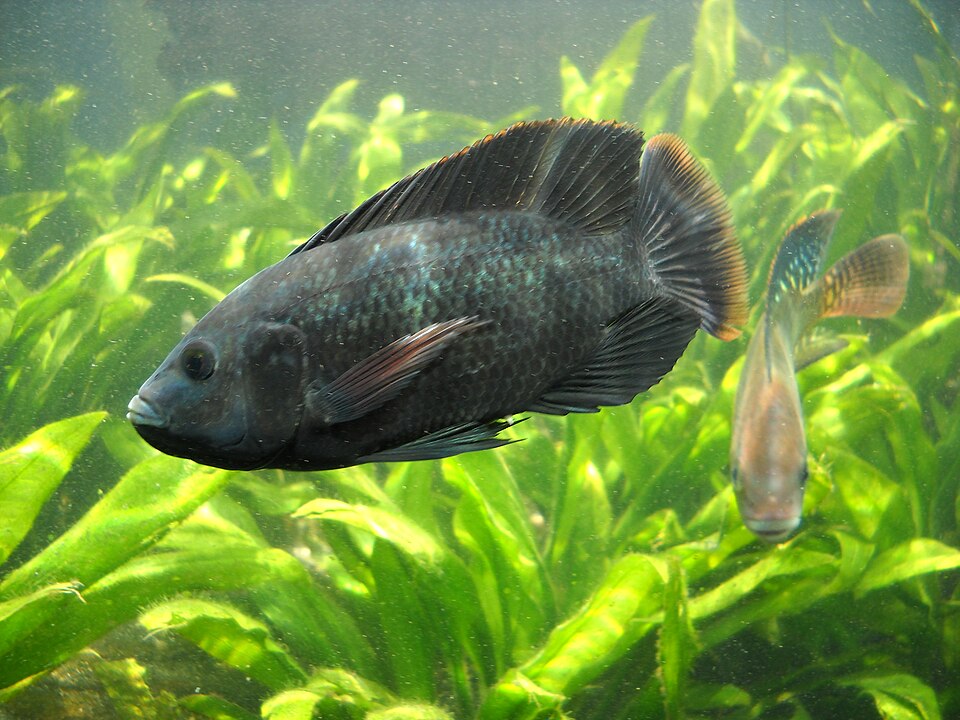
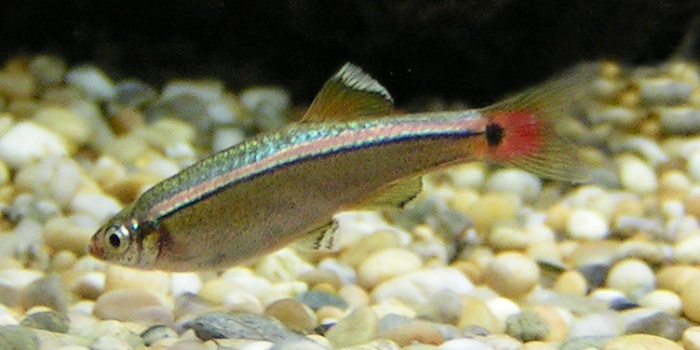
Dwarf Shrimp pose no threat to any other aquarium inhabitant. The concern is always about what other creatures may see them as. Their small size and lack of defenses make them a potential snack for many fish.
Care and Maintenance
While Dwarf Shrimp are often labeled “easy,” their care is more accurately described as “specific.” Success lies not in complex routines, but in unwavering stability and attention to water quality.
Aquarium Setup
- Tank Size: A 5-gallon tank is the minimum recommended for starting a colony, but a 10-gallon tank is significantly more stable and forgiving for beginners. Larger water volumes dilute toxins and slow parameter shifts.
- Scaping: The aquarium should be heavily planted and furnished. Live plants like Java Moss, Guppy Grass, and Marimo Moss Balls are not just decorations; they are essential. They provide surface area for biofilm to grow (a primary food source), offer hiding places for shrimplets, and help improve water quality. Driftwood and cholla wood are excellent additions that also foster biofilm growth.
- Substrate: While shrimp can be kept on inert sand or gravel, many dedicated keepers use active substrates like fluval stratum or other shrimp soils. These substrates help buffer the pH to a slightly acidic level, which is ideal for shrimp and helps neutralize certain heavy metals.
- Hiding Spots: An abundance of hiding spots is non-negotiable, especially for breeding. Mosses, dense plants, and shrimp tubes provide crucial refuge for females when they are vulnerable after molting and for young shrimplets to grow safe from harm.
Water Quality and Parameters
This is the most critical aspect of shrimp keeping. Dwarf Shrimp are highly sensitive to toxins and sudden changes.
- pH Level: They thrive in a pH range of 6.5 to 8.0, but a stable, neutral pH around 7.0 to 7.6 is ideal for Neocaridina varieties.
- Temperature: They are comfortable in temperatures between 65°F and 75°F (18°C – 26°C). Warmer temperatures will accelerate their metabolism and lifespan, while cooler temperatures slow them down.
- Ammonia/Nitrite: These must always be at 0 ppm. Any detectable level is toxic and can wipe out a colony rapidly.
- Nitrates: Keep nitrates as low as possible, ideally below 20 ppm. High nitrates stress shrimp and inhibit breeding.
- General Hardness (GH) and Carbonate Hardness (KH): These are vital. GH (which provides calcium and magnesium) should be between 6-12 dGH. KH (which stabilizes pH) should be between 2-8 dKH. Proper GH is essential for successful molting.
Filtration
A gentle filtration system is mandatory. Strong currents can stress shrimp, and powerful intakes can suck in and kill shrimplets.
- Sponge Filters: These are universally considered the best option for a shrimp tank. They provide excellent biological filtration, create very little flow, and the sponge itself becomes a prime grazing ground for shrimp. Furthermore, they pose zero risk to even the tiniest shrimplets.
- Hang-on-Back or Canister Filters: If using these, they must be fitted with a pre-filter sponge or a stainless-steel intake guard to prevent shrimp from being drawn into the filter.
Feeding and Diet
Dwarf Shrimp are omnivorous scavengers, but a balanced diet is key to vibrant colors and successful breeding.
- Primary Diet: In a mature, planted tank, they will constantly graze on naturally occurring biofilm and algae. However, for a thriving colony, supplemental feeding is necessary.
- Prepared Foods: High-quality commercial shrimp foods (such as those from Shirakura, GlasGarten, or Bacter AE) are formulated to provide complete nutrition, including minerals necessary for molting. These often come as pellets, powders, or soluble liquids.
- Supplementary Foods: They enjoy blanched vegetables like zucchini, spinach, and cucumber. This should be offered as a treat once or twice a week and removed after a few hours to avoid fouling the water.
- Feeding Schedule: A small feeding every one to two days is sufficient. A good rule of thumb is to only offer what the colony can consume within 2-3 hours.
Health and Durability
Dwarf Shrimp are hardy once established in a stable environment, but they are canaries in the coal mine for water quality issues.
Common Health Issues
- Failed Molts: The most common health problem. Shrimp periodically shed their exoskeleton to grow. A failed molt, where the shrimp gets stuck and dies, is almost always linked to incorrect GH (too low or too high) or a lack of minerals in the diet.
- Planaria and Hydra: These are small, parasitic worms and cnidarians that can appear in tanks. They can prey on baby shrimp and stress adults. They are often introduced with new plants or through overfeeding.
- Vorticella: A parasitic protozoan that appears as a white, fuzzy fungus-like growth on the shrimp’s nose and shell. It requires specific treatment.
- Copper Poisoning: Copper is extremely toxic to all invertebrates. Even trace amounts found in some fish medications and plant fertilizers can be lethal. Always verify that any product added to a shrimp tank is shrimp-safe.
Preventative Care
- Stability is Key: The single biggest factor in shrimp health is avoiding rapid changes in temperature or water parameters.
- Drip Acclimation: When introducing new shrimp to your tank, always use a drip acclimation method over 1-2 hours. This slowly equalizes the water conditions and prevents osmotic shock, which is a leading cause of death for newly purchased shrimp.
- Quarantine New Plants: Soak new plants in a mild bleach solution or use in-vitro (tissue culture) plants to avoid introducing pests like planaria.
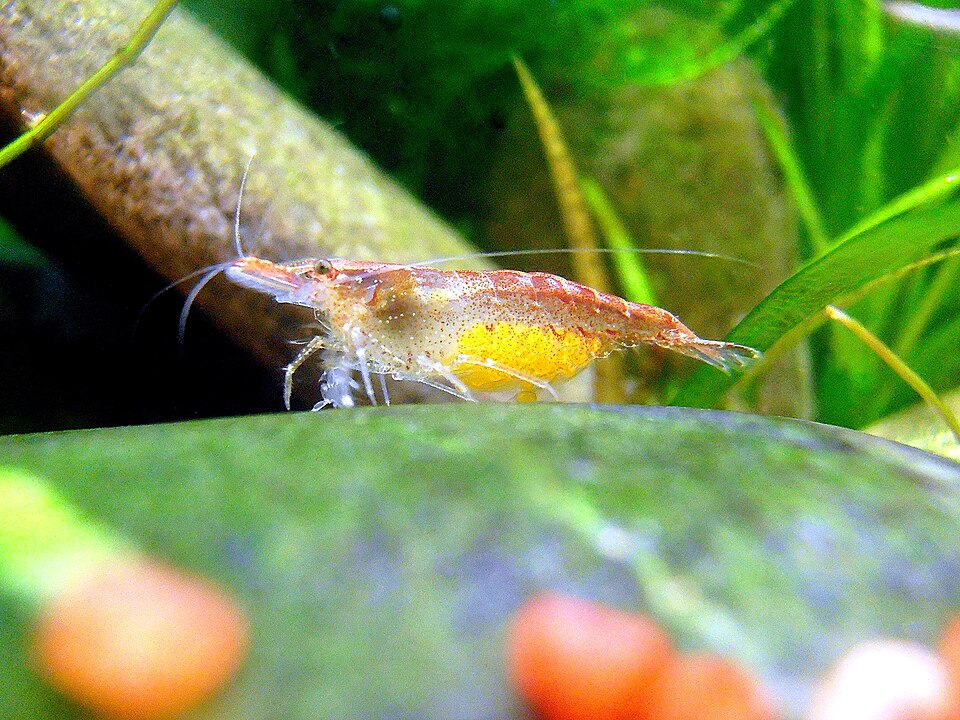
With pristine care, Dwarf Shrimp have a lifespan of 1 to 2 years. They reach sexual maturity quickly, often within 3-4 months, and a single female can carry 20-30 eggs at a time, allowing a colony to grow exponentially under the right conditions.
Availability and Cost
Dwarf Shrimp are one of the most accessible invertebrates in the hobby today.
Where to Buy
- Breeders: The best source. Online breeders and local hobbyists often sell higher-grade, healthier shrimp that are already acclimated to aquarium life.
- Local Fish Stores: Many now carry a variety of Neocaridina shrimp.
- Online Retailers: A plethora of websites specialize in shipping shrimp directly to your door.
Cost
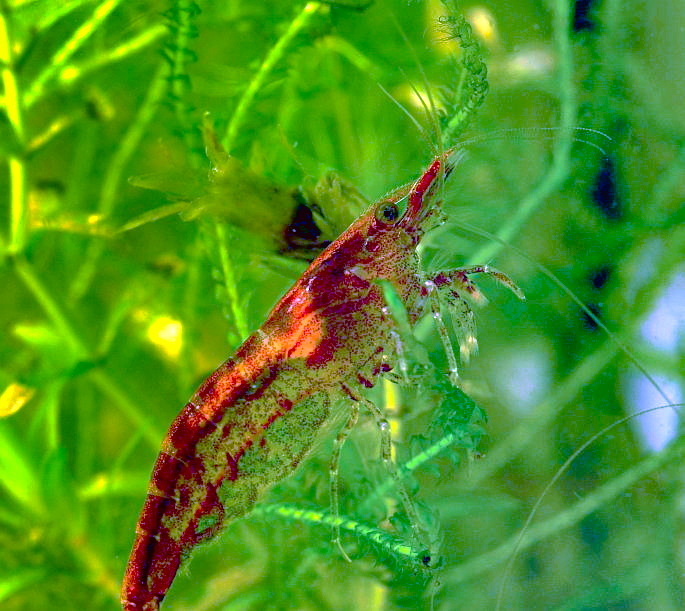
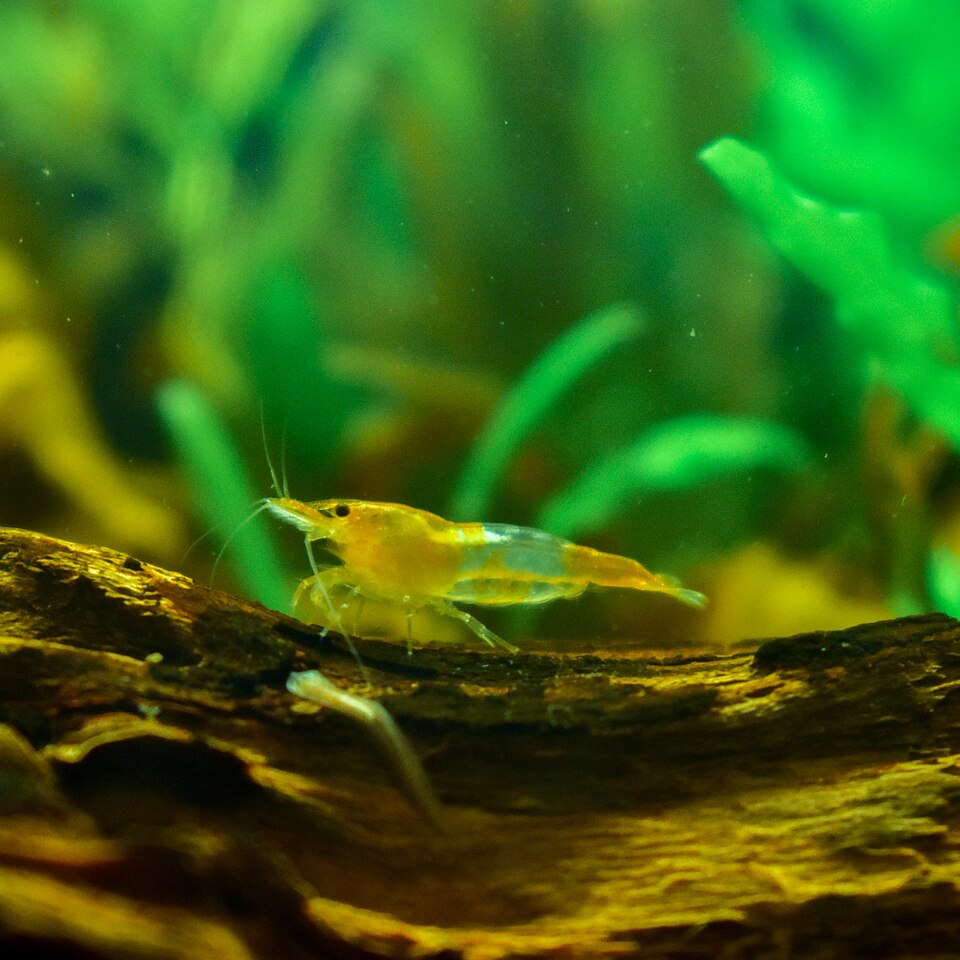
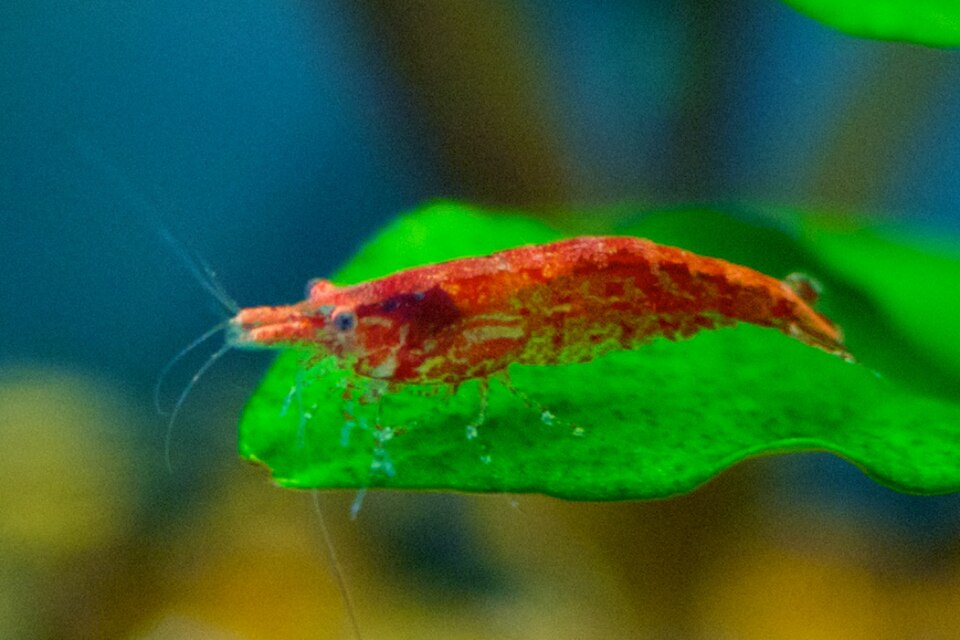
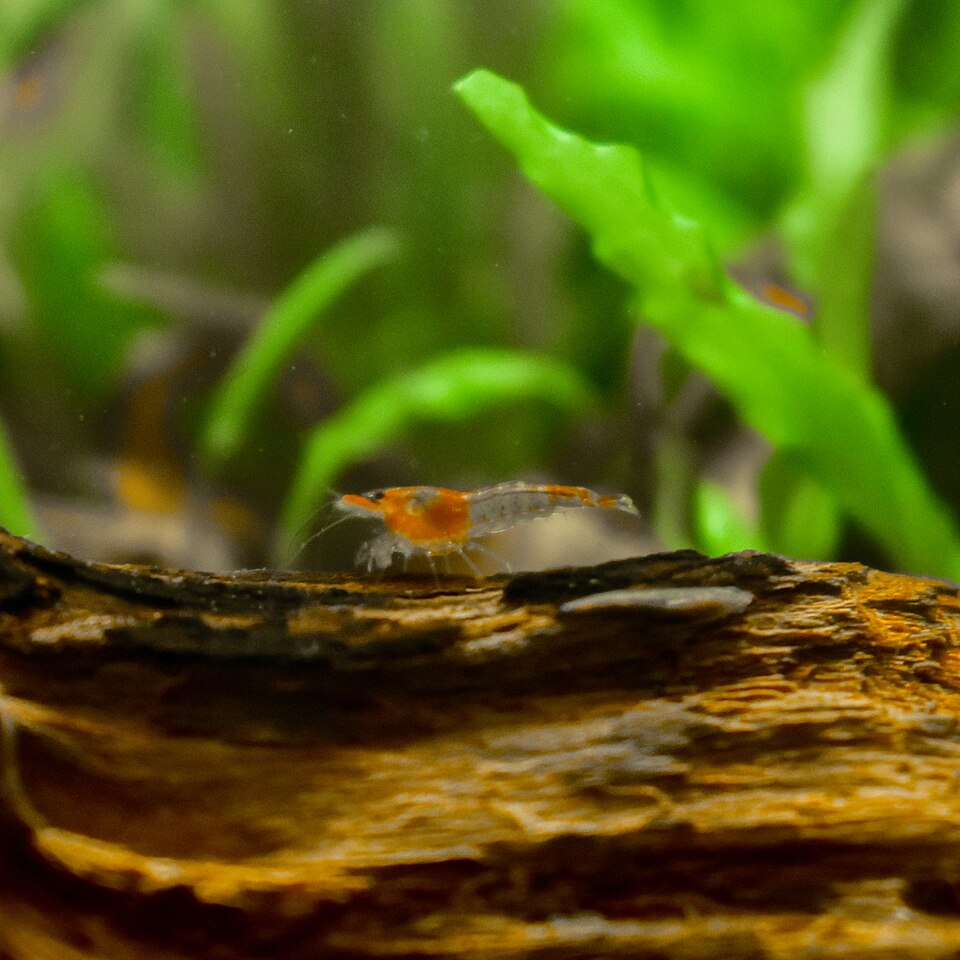
- Shrimp Price: This varies dramatically by color grade and rarity. Common Red Cherry Shrimp can cost as little as $3 to $5 each, often less when bought in groups. Rarer color morphs like Blue Dreams, Green Jades, or Orange Rili can range from $8 to $15 per shrimp. High-grade specimens from champion bloodlines can cost significantly more.
- Setup Cost: A basic 5-gallon starter kit can cost around $50-$100. Adding a sponge filter, heater, substrate, plants, and water test kits can bring the initial investment to between $150 and $250 for a high-quality, sustainable setup.
Pros and Cons
Pros
- Peaceful and perfect for nano and community tanks.
- Excellent algae and biofilm eaters, providing natural cleaning services.
- Incredible breeding potential, allowing you to grow a large colony.
- Wide array of stunning colors and patterns to choose from.
- Low bioload, allowing for dense populations in small spaces.
Cons
- Extremely sensitive to water parameter fluctuations and toxins.
- Cannot be kept with most fish, as they will be eaten.
- Require a well-established, mature tank for best success.
- Interbreeding different colors results in wild-type (brown) offspring.
- Not a “pet” you can interact with physically.
Final Thoughts
Dwarf Shrimp offer a uniquely rewarding avenue in the aquarium hobby. They teach the invaluable lessons of patience, stability, and attention to detail. The joy of seeing a thriving colony, bursting with color and bustling with activity from the largest adults to the smallest shrimplets, is a testament to a well-maintained aquatic ecosystem. While they demand respect for their specific needs, the effort is returned tenfold in the fascinating micro-world they create.
If you are considering starting a shrimp tank, we highly recommend beginning with a sturdy color variant like the Red Cherry Shrimp and sourcing them from a reputable breeder. Set up your tank, let it cycle fully, and allow biofilm to establish for a few weeks before introducing your shrimp. With this careful approach, you are set up for a beautiful and successful long-term journey.
Have you kept Dwarf Shrimp? Share your experiences, tips, and favorite color morphs in the comments below! We’d love to hear about your colony and see pictures of your aquatic setups.
For more aquarium care tips and invertebrate reviews, stay tuned to our blog and don’t forget to subscribe to our newsletter! 🦐

Leave a Reply