

Hi there, pet lovers! 🐟
If you’re looking for a burst of vibrant color and constant activity in a small, manageable package, the Endler’s Livebearer (Poecilia wingei) might just be the perfect fish for your aquarium. Renowned for their hardiness, dazzling colors, and fascinating behaviors, these tiny livebearers have earned a beloved spot in the hobby among beginners and seasoned aquarists alike.
In this detailed review, we will dive deep into everything you need to know about Endler’s Livebearers, from their care requirements and breeding habits to their ideal tank mates and overall cost. By the end of this guide, you’ll know if these energetic little fish are the right fit for your aquatic family.
Overview
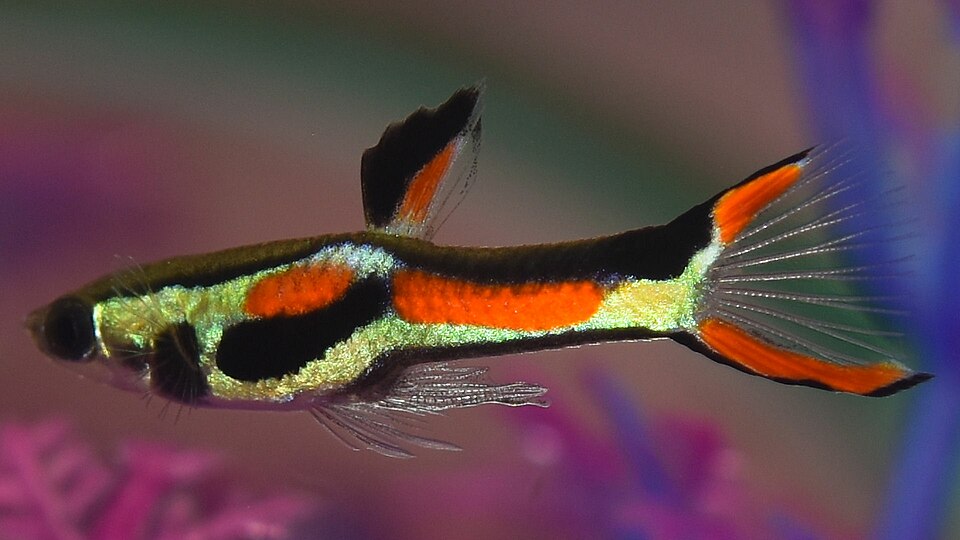
Endler’s Livebearers are small, colorful freshwater fish closely related to the common guppy. They are native to the Laguna de Patos in Venezuela and are celebrated for their brilliant, metallic color patterns and relentless energy. Here’s a quick summary of what makes them such a popular choice:
- Handling and Temperament: Not handled like a reptile, but observed. They are peaceful, active, and perfect for community tanks.
- Care and Maintenance: Extremely low-maintenance and forgiving of a range of water conditions.
- Health and Durability: Exceptionally hardy and resistant to disease when kept in stable conditions.
- Availability: Widely available from breeders, specialty stores, and online.
- Cost: Very affordable to purchase and maintain.
- Overall: A top-tier choice for nano tanks, beginners, and anyone who wants a self-sustaining population of colorful fish.
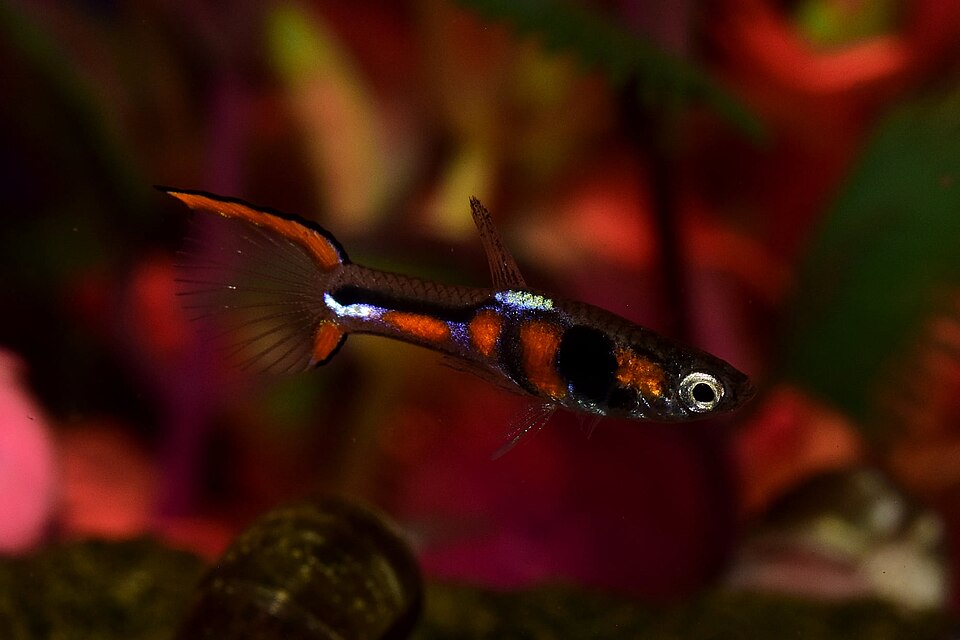
Why Choose an Endler’s Livebearer?
Endler’s Livebearers are the ideal choice for those seeking a lively, colorful, and incredibly easy-to-keep aquarium fish. Their small size makes them perfect for nano tanks as small as 5 gallons, though a 10-gallon is more ideal for a breeding group. They are prolific breeders, offering a front-row seat to the miracle of life, which makes them a fantastic educational tool for families and new hobbyists. Their peaceful nature and stunning visual appeal provide endless entertainment and a dynamic element to any peaceful community setup.
Handling and Temperament
While fish aren’t “handled” in the traditional sense, their behavior and interaction within the tank are a major part of their appeal. Endlers are best described as vivacious and curious.
Personality and Activity Level
Endlers are almost constantly in motion. They do not school in a tight, synchronized manner like tetras, but instead shoal, meaning they loosely group together while each fish explores and darts around. Males are particularly energetic, often seen displaying their vibrant colors to females in a shimmering dance. This non-stop activity brings a sense of life and movement to the aquarium that is unmatched by many other small fish.
Community Tank Compatibility
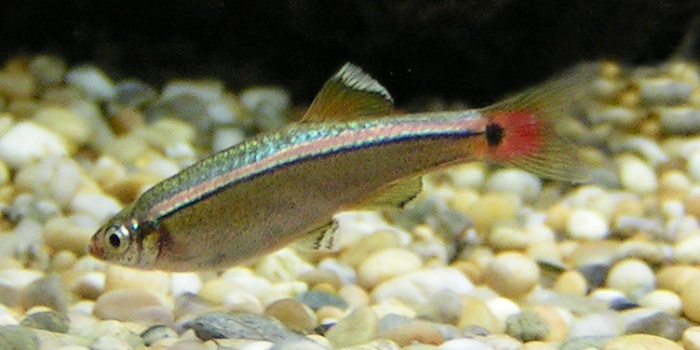
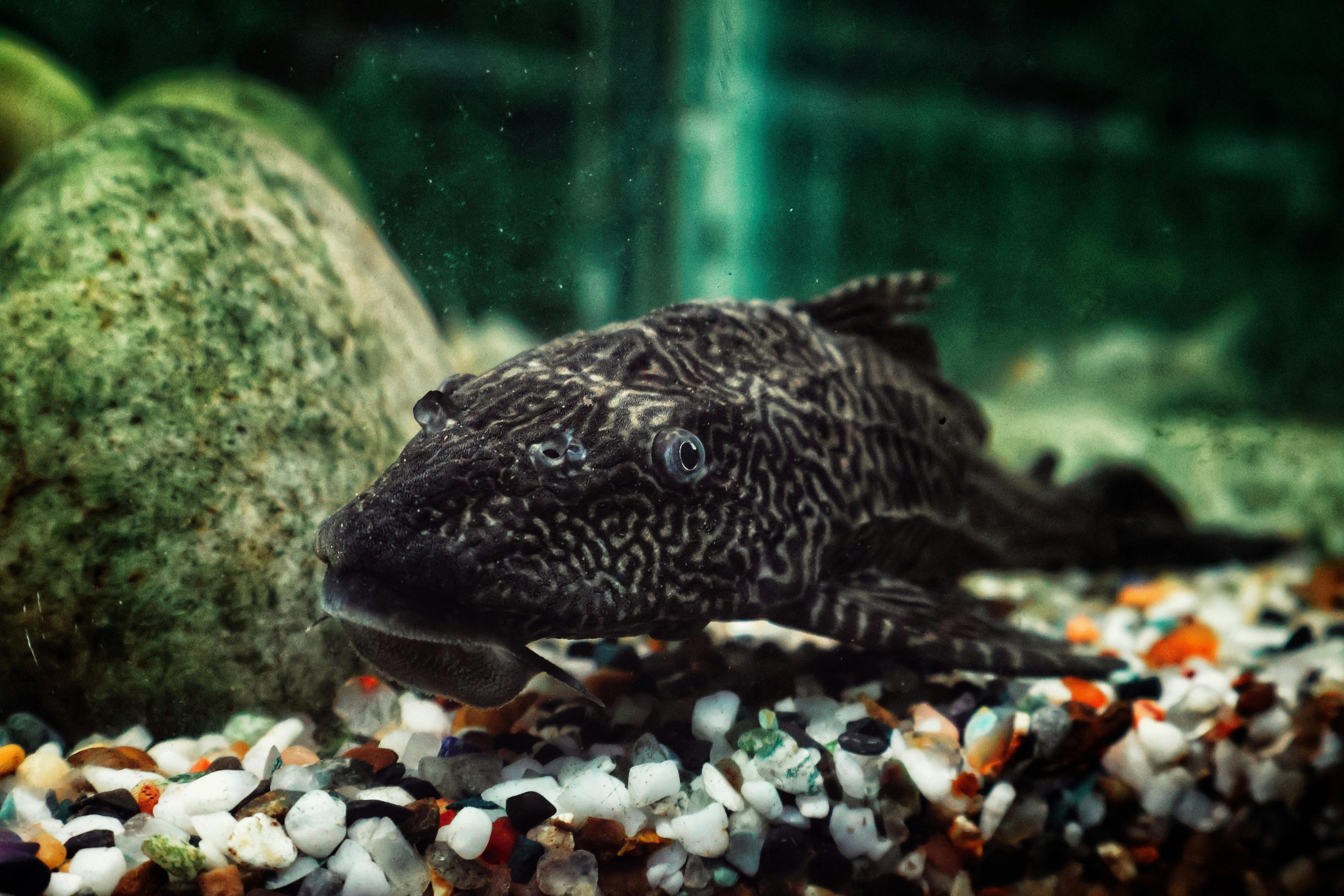
Their peaceful nature makes them excellent candidates for community tanks. They will not nip at the fins of other fish and are more focused on foraging and breeding. However, their small size means they should not be kept with large or aggressive fish that might see them as a snack. Ideal tank mates include other peaceful nano species like Chili Rasboras, Neon Tetras, small Corydoras catfish, and dwarf shrimp. We do not recommend keeping them with guppies unless you are unconcerned about hybridization, as they can and will crossbreed.
Care and Maintenance
One of the biggest selling points for Endler’s Livebearers is their remarkable ease of care. They are incredibly forgiving, making them a perfect first fish for someone new to the hobby.
Enclosure Setup
- Tank Size: A 5-gallon tank is the absolute minimum for a trio (one male, two females), but a 10-gallon or 20-gallon tank is highly recommended. The larger volume provides more stability in water parameters and offers ample space for a growing population.
- Scaping: Being active swimmers, they appreciate a tank with open swimming space. However, they also benefit greatly from having plenty of hiding spots, especially for pregnant females and fry. Live plants like Java Moss, Hornwort, and Guppy Grass are perfect as they provide cover and harbor micro-organisms for the fry to eat.
- Substrate: Substrate choice is largely aesthetic, as Endlers spend most of their time in the middle and top levels of the water column. Sand or fine gravel both work well.
- Filtration: They do not appreciate strong currents. A gentle filter, such as a sponge filter, is ideal. Sponge filters are perfect for Endler tanks because they provide excellent biological filtration without creating a strong flow, and they prevent tiny fry from being sucked into the intake.
Water Parameters and Temperature
Endlers are celebrated for their adaptability. While they thrive in stable conditions, they can tolerate a wider range than most tropical fish.
- Temperature: They can survive in temperatures from 68°F (20°C) all the way up to 84°F (29°C). However, their ideal range for health, activity, and breeding is between 72°F and 78°F (22°C – 26°C).
- pH Level: They can adapt to a pH from 6.5 to 8.4, but they tend to do best in slightly hard, alkaline water around 7.0 to 7.8.
- Water Hardness: A general hardness (GH) of 8-20 dGH is suitable.
The key is consistency. While they are hardy, sudden, drastic swings in these parameters will cause stress and potential health issues.
Feeding
Endlers are not picky eaters. They are omnivores and will eagerly accept a wide variety of foods.
- Staple Diet: A high-quality, small-granule flake or micro-pellet food should form the basis of their diet.
- Variety and Supplements: For optimal health and coloration, their diet should be supplemented with live or frozen foods such as baby brine shrimp, daphnia, or bloodworms. These foods are especially important for conditioning breeding adults.
- Feeding Schedule: Feed small amounts once or twice a day, only as much as they can consume within two minutes. Overfeeding will quickly foul the water.
Health and Durability
Endler’s Livebearers are exceptionally robust when provided with basic care. Their hardiness is one of their greatest attributes.
Common Health Issues
Due to their resilience, health problems are rare in well-maintained tanks. The issues that do arise are almost always linked to poor water quality or environmental stress.
- Fungal and Bacterial Infections: These can occur if the fish are kept in chronically dirty water with high nitrate levels or if they are stressed by overcrowding. Signs include white cottony patches (fungus) or red streaks and ulcers (bacteria).
- Parasites: Like all fish, they can be susceptible to common parasites like Ich, which presents as white salt-like spots on the body and fins. This is often introduced with new fish or plants.
Preventative Care
The best medicine is always prevention. A stable, clean environment is the key to keeping your Endlers healthy.
- Consistent Water Changes: Performing regular, partial water changes (20-30% weekly) is the single most important thing you can do to keep nitrate levels low and remove waste.
- Quarantine New Arrivals: Always quarantine new fish, even from reputable sources, for at least two weeks before adding them to your main tank to prevent the introduction of disease.
- Avoid Overcrowding: As prolific breeders, their population can grow quickly. Be prepared to manage the population through separate tanks or by finding homes for the offspring to prevent stress and water quality issues.
With proper care, the lifespan of an Endler’s Livebearer is typically 2 to 3 years.

Availability and Cost
Endler’s Livebearers are widely accessible and very budget-friendly, making them an easy addition to most homes.
Where to Buy
- Breeders: This is often the best source, especially for specific, high-quality strains or “pure” N-Class Endlers. Breeders can provide detailed information about the fish‘s lineage and health history.
- Local Fish Stores: Many stores carry common Endler varieties, often labeled as “assorted Endlers” or specific strains like “Tiger Endlers” or “Black Bar Endlers.”
- Online Retailers: Several reputable online aquatic retailers ship Endlers directly to your door.
- Aquarium Society Auctions/Expos: These are excellent places to find unique strains and connect with experienced hobbyists.
Cost
- Fish Price: Standard and hybrid Endlers are very inexpensive, typically ranging from $3 to $8 per fish. Rare, pure-strain (N-Class) Endlers from specific lineages can cost $15 to $30 or more per fish.
- Setup Cost: A basic 10-gallon starter kit can be purchased for around $50. Adding a substrate, a simple sponge filter, a heater, and some plants can bring the initial setup cost to approximately $100 to $150.
Pros and Cons
Pros
- Explosively colorful, especially the males.
- Extremely hardy and forgiving of beginner mistakes.
- Peaceful and suitable for community nano tanks.
- Very easy and prolific breeders.
- Inexpensive to purchase and maintain.
- Active and entertaining to watch.
Cons
- They breed so readily that population control can become a consideration.
- Should not be kept with larger, predatory fish.
- Can hybridize with guppies, which dilutes pure strain genetics.
- Their high energy can sometimes stress slower, more timid fish.

Final Thoughts
Endler’s Livebearers are a spectacular choice for nearly any freshwater aquarist. Their combination of breathtaking color, immense hardiness, and fascinating live-bearing breeding behavior creates a rewarding and dynamic aquarium experience. The low barrier to entry in terms of both cost and care makes them an ideal candidate for a first tank, a child’s aquarium, or a sophisticated breeder’s project focused on preserving unique lines.
If you are considering Endler’s Livebearers, we highly recommend sourcing them from a dedicated breeder to ensure you get healthy, high-quality fish. Their dazzling displays and relentless activity are sure to make them a centerpiece of your aquatic world.
Have you kept Endler’s Livebearers? Share your experiences and tips in the comments below! We’d love to hear about your favorite strains and the tank mates you’ve kept them with successfully.
For more aquarium care tips and species profiles, stay tuned to our blog and don’t forget to subscribe to our newsletter! 🐟

Leave a Reply