
Hi there, pet lovers! 🐠
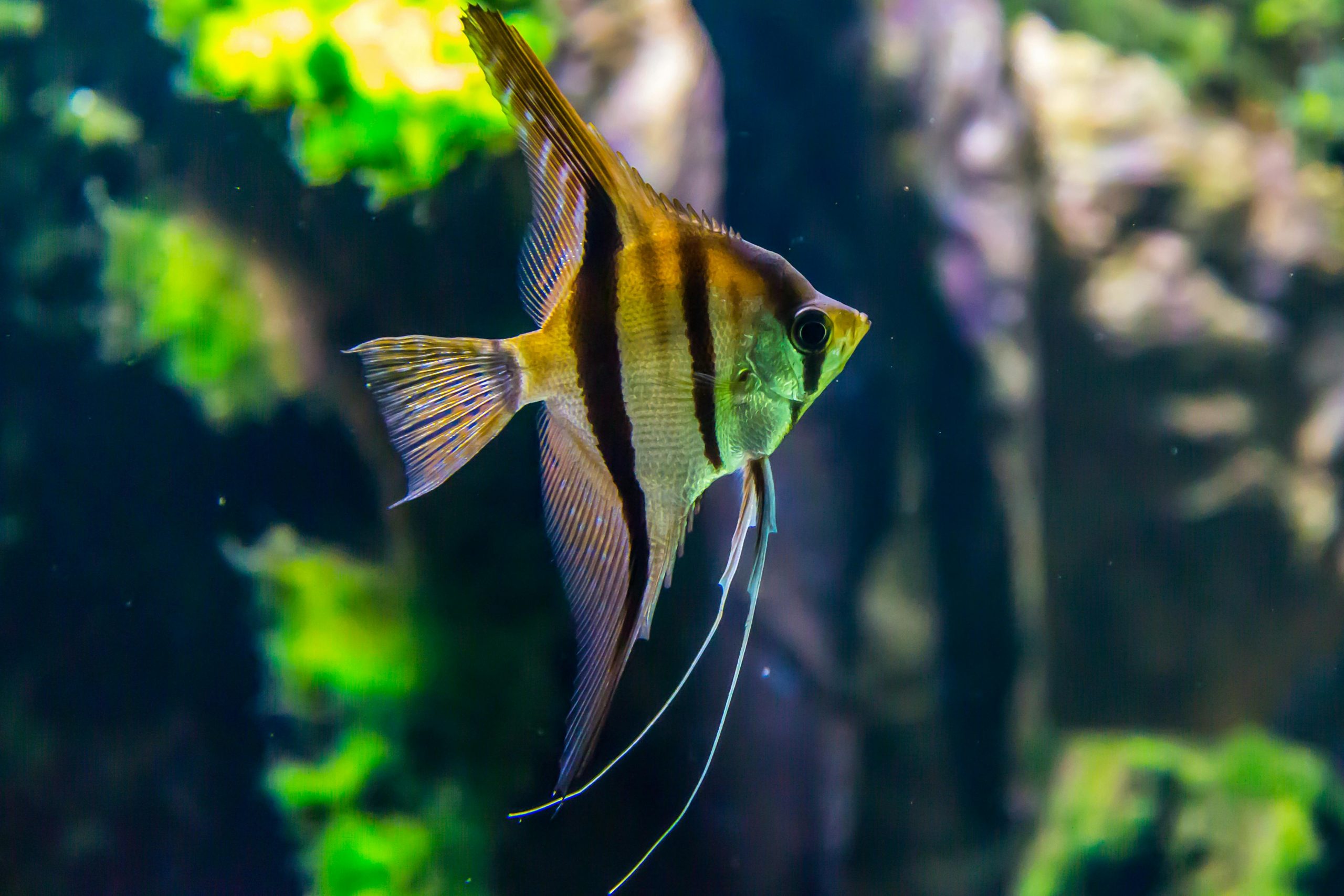
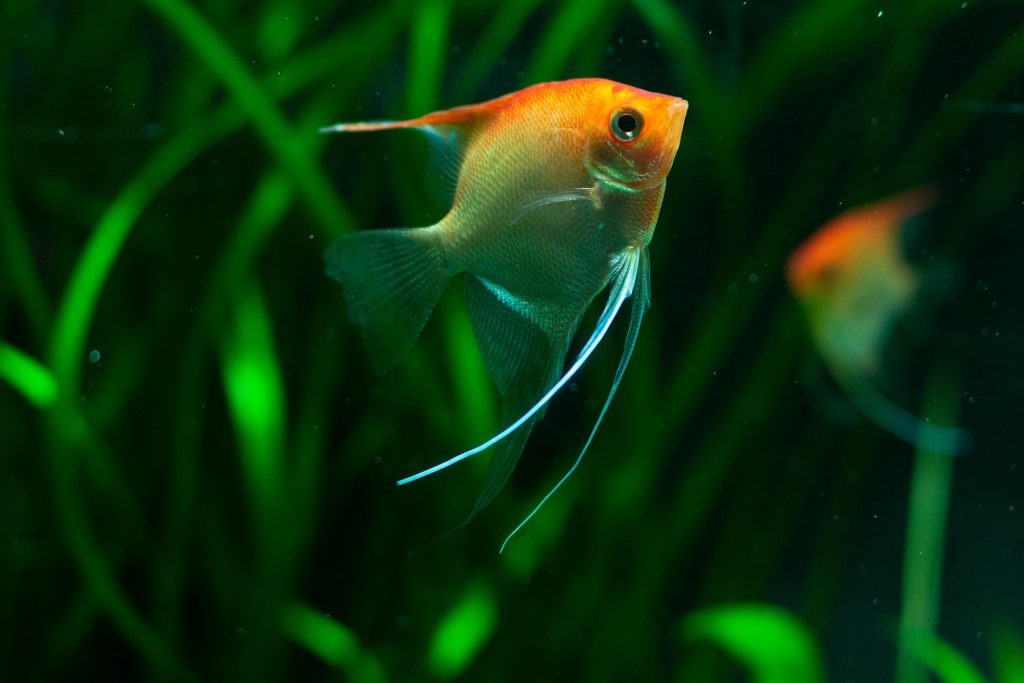
For decades, the Freshwater Angelfish has reigned as one of the most iconic and elegant species in the aquarium hobby. With their majestic, flowing fins and graceful, deliberate movements, they transform any tank into a living work of art. But beyond their stunning appearance lies a fascinating cichlid with distinct personality and care needs.
This detailed review will explore everything required to keep these aquatic angels thriving, from their specific water parameters and social dynamics to breeding behaviors and common health concerns. Whether you’re a beginner drawn to their beauty or an experienced aquarist considering a showpiece fish, this comprehensive guide will provide the knowledge needed for success.
Overview
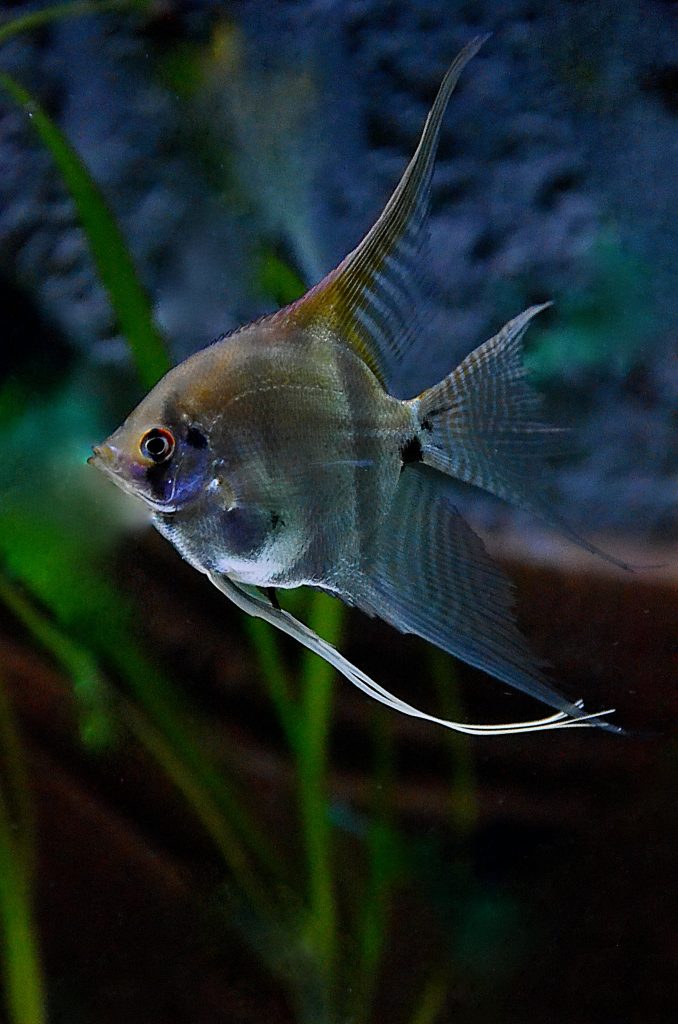
Freshwater Angelfish (Pterophyllum scalare) are a species of cichlid native to the calm, vegetated waterways of the Amazon River Basin in South America. Renowned for their tall, disc-shaped bodies and trailing fins, they are a classic centerpiece fish that commands attention. Here’s a quick summary of their key characteristics:
- Handling and Temperament: Peaceful yet territorial, especially when breeding; not a true “hands-on” pet but observable and interactive.
- Care and Maintenance: Moderate-maintenance; requiring stable, warm water and a thoughtfully aquascaped environment.
- Health and Durability: Generally hardy when kept in optimal conditions but sensitive to poor water quality and specific diseases.
- Availability: Extremely common and widely available in numerous color and fin varieties.
- Cost: Affordable to purchase; moderate startup cost for a proper aquarium setup.
- Overall: A rewarding and beautiful fish for aquarists willing to meet their specific spatial and environmental needs.
Why Choose a Freshwater Angelfish?
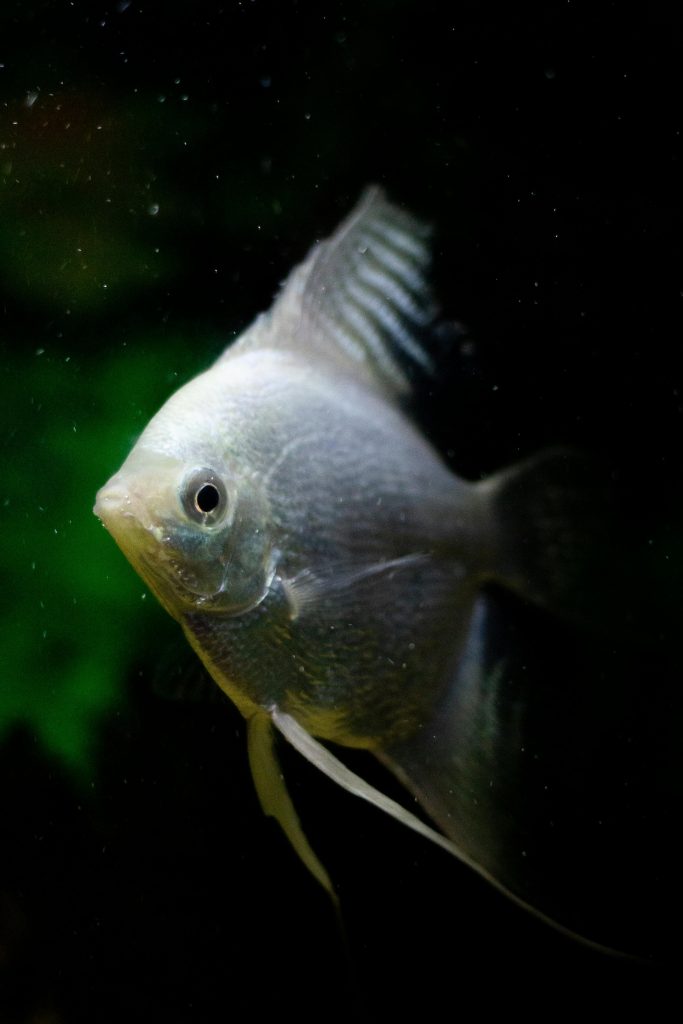
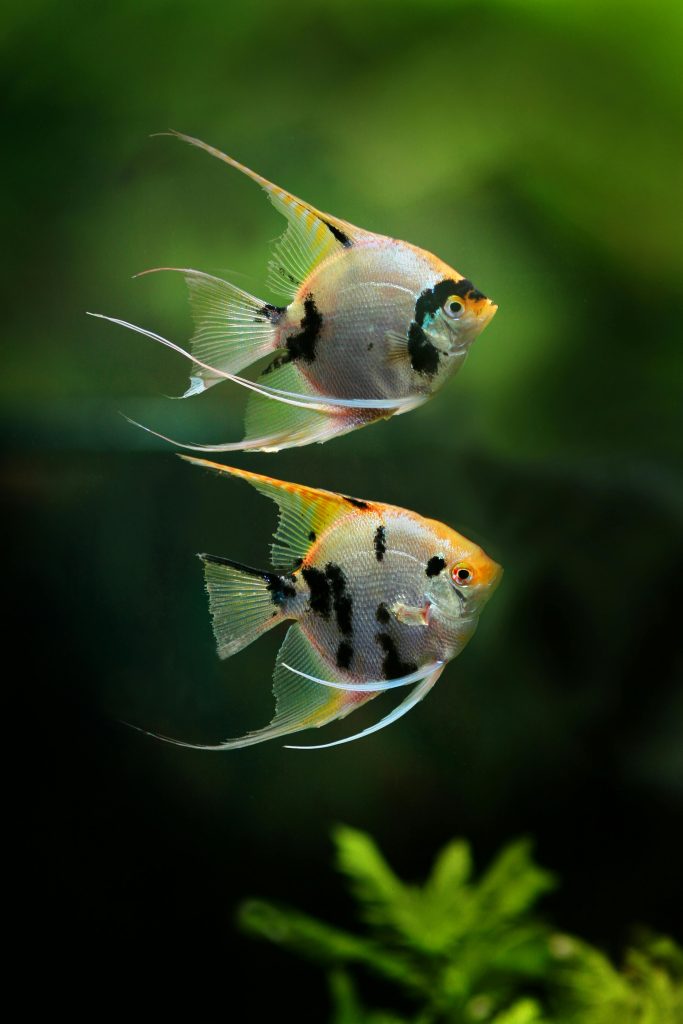
Angelfish are the perfect choice for aquarists seeking a pet with presence, personality, and a long-term commitment. Their serene swimming style and interactive behaviors during feeding and breeding offer endless fascination. While they require more specific water conditions than some beginner fish, their resilience and the sheer variety available—from classic Silver Angels to dramatic Koi and Black Lace variants—make them a endlessly customizable and rewarding addition to a well-planned community or species-specific tank.
Handling and Temperament
It is crucial to understand that “handling” for fish refers to observation and interaction within their environment. Angelfish are not pets to be held, but their behavioral temperament is a major consideration for tank harmony.
A Peaceful Cichlid with a Caveat
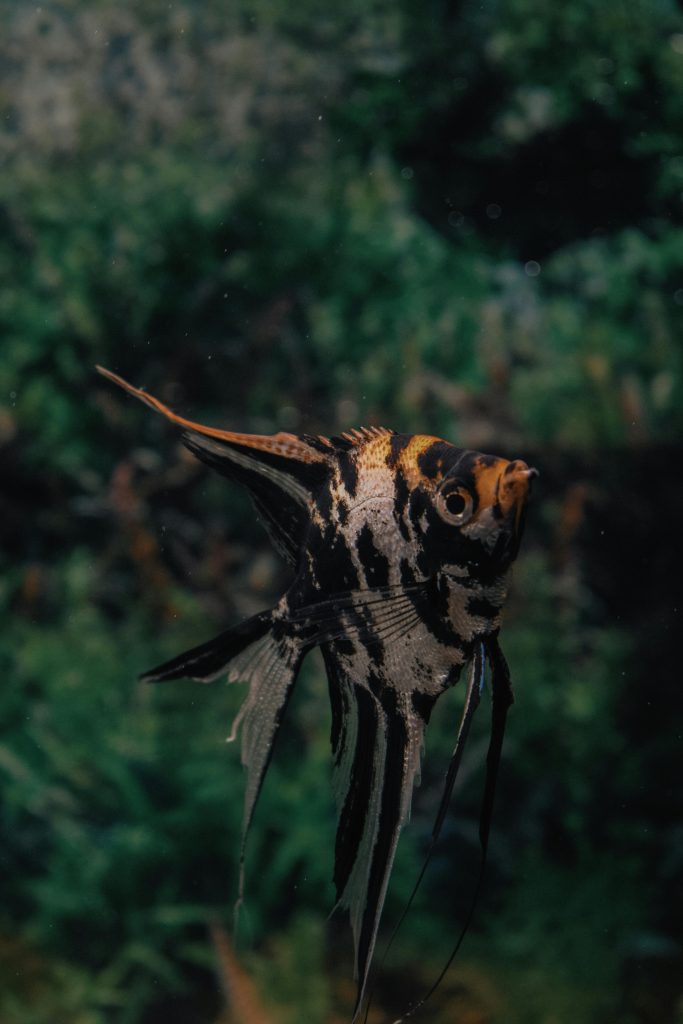
Angelfish are often described as one of the more peaceful cichlids, which is generally true for non-breeding adults in a spacious tank. They spend their time gliding majestically through the mid-to-upper water column, exploring plants, and establishing subtle territories. However, their cichlid nature emerges strongly during breeding. A mated pair will become fiercely territorial, aggressively defending their chosen egg-laying site from all other tank inhabitants, including other angelfish and much larger fish.
Personality and Tank Mate Dynamics
Individual personalities can vary; some are bold and outgoing, while others may be more shy. Their temperament is deeply influenced by their environment. Crowding is a primary cause of aggression and stress. In an overstocked tank, nipping, chasing, and constant harassment can become severe issues, often leading to damaged fins, illness, or the death of the weakest fish.
Compatibility Guidelines
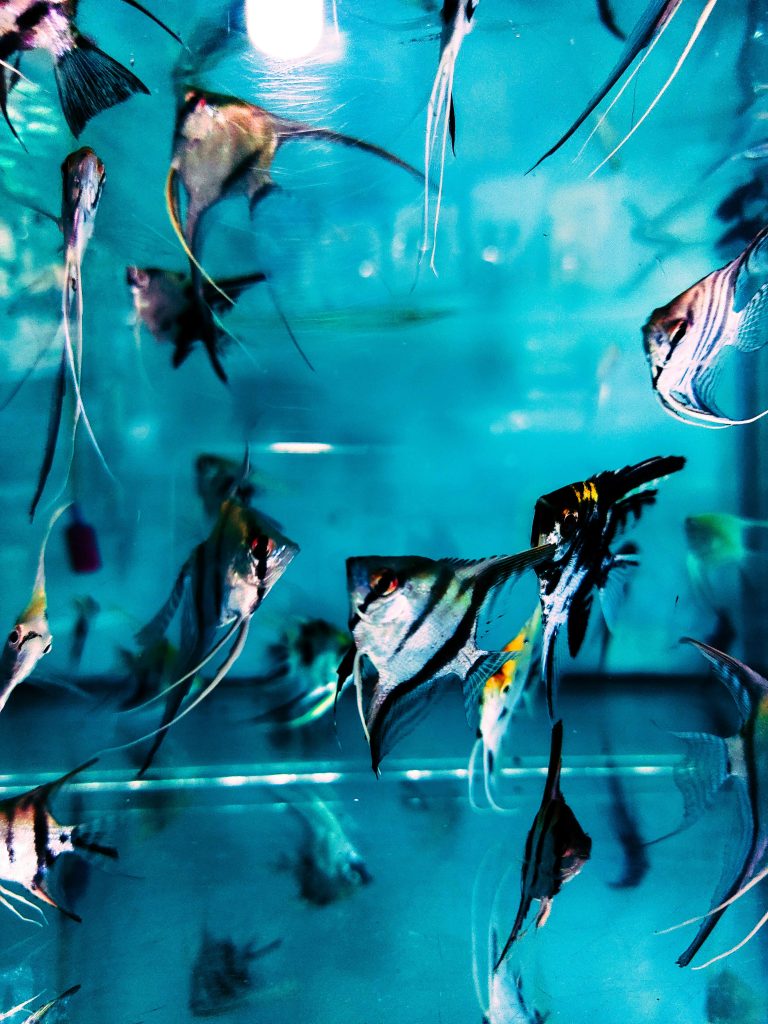
Successful communities are built around careful selection. Ideal tank mates are peaceful, non-fin-nipping species that occupy different tank zones. Excellent choices include:
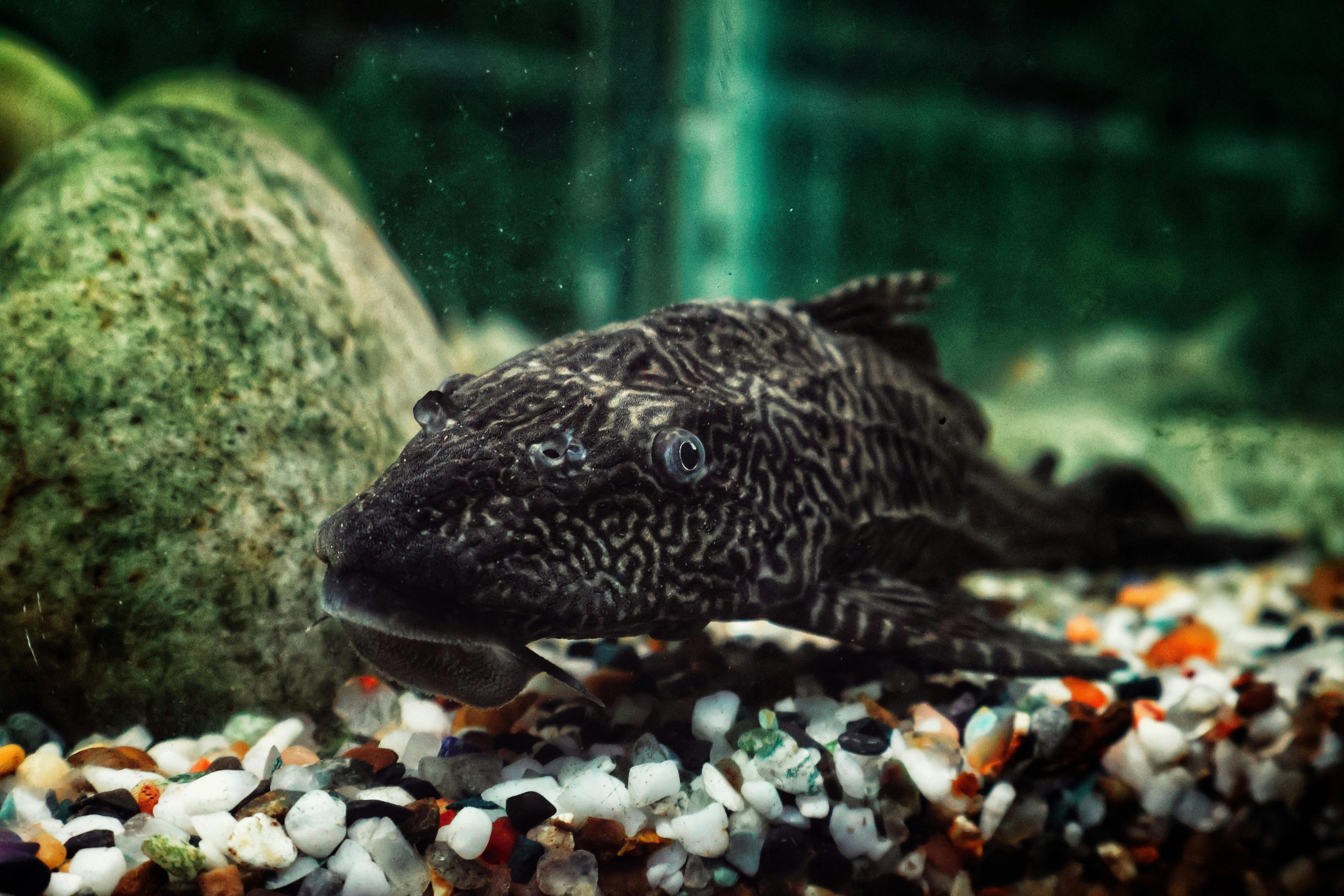
- Bottom Dwellers: Corydoras catfish, larger peaceful Plecos (like Bristlenose).
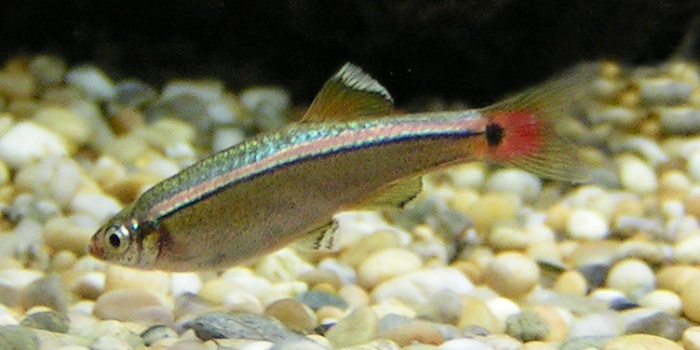
- Mid-Tank Schoolers: Cardinal Tetras, Rummy Nose Tetras, larger peaceful Barbs.
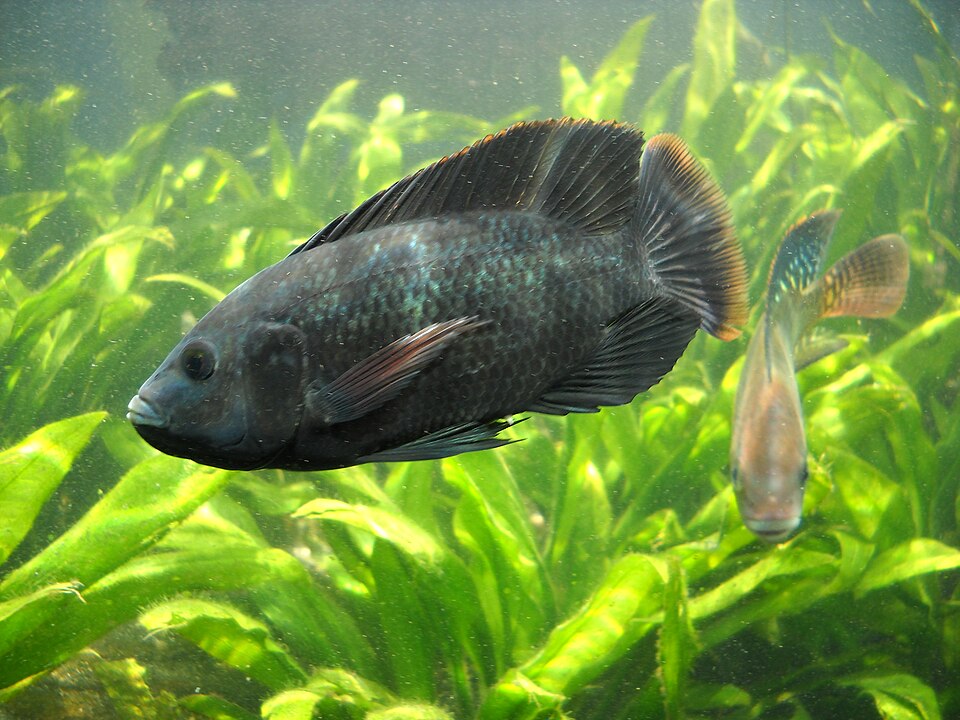
- Other Peaceful Centerpiece Fish: Dwarf Gouramis, keyhole cichlids.
- Fish to avoid include fast fin-nippers like Tiger Barbs, overly boisterous fish like some Rainbowfish, and any aggressive cichlids. It is also critical to avoid any small fish that can fit in an angelfish’s mouth, such as Neon Tetras, as they will eventually be eaten.
Care and Maintenance
Angelfish thrive under consistent, high-quality conditions. While not the most difficult fish to keep, they demand more attention to detail than hardier species like zebrafish or goldfish.
Aquarium Setup: Space is Paramount
The most common mistake is underestimating their adult size. Juveniles may be only the size of a quarter, but they grow rapidly.
- Tank Size: A single adult angelfish requires a minimum of 20 gallons, but this is not ideal for their tall body shape. A pair or small group needs a minimum of 55 gallons. Their height is more critical than length; a standard 55-gallon tank (48″x13″x21″) is an excellent starting point as it provides both swimming length and crucial vertical space. For a group of 5-6 angelfish, a 75-gallon or larger tank is strongly recommended.
- Aquascaping: Mimic their natural Amazonian habitat. Use a dark sand or fine gravel substrate, plenty of tall live plants like Amazon Swords, Vallisneria, and Java Fern, and include vertical pieces of driftwood or slate. Plants and decor provide essential security, break lines of sight to reduce aggression, and offer potential breeding sites. Open swimming areas should also be provided.
Water Parameters: Stability is Key
Angelfish are soft-water, acidic fish by nature, but most sold today are captive-bred and adaptable.
- Temperature: A stable range of 78°F – 82°F (25.5°C – 27.5°C) is ideal. Temperatures at the higher end can induce breeding.
- pH Level: A range of 6.5 – 7.5 is suitable for most captive-bred stock. Stability within this range is far more important than chasing a “perfect” number.
- Water Hardness: Soft to moderately hard water is fine.
- The Critical Factor: Impeccable Water Quality. Like all fish, angelfish are extremely sensitive to ammonia and nitrite (which must always be 0 ppm), and nitrates should be kept below 30 ppm through regular maintenance. A high-quality filter (canister or HOB) with gentle to moderate flow is essential, as angelfish do not appreciate strong currents.
Feeding and Nutrition
Angelfish are omnivores with a carnivorous leaning. A varied diet is the cornerstone of vibrant color, optimal growth, and robust health.
- Staple Diet: A high-quality cichlid pellet or flake food formulated for angelfish should be the core of their diet. Choose a formula with strong color-enhancing properties.
- Supplemental Foods: Offer variety 2-3 times per week with frozen or live foods such as bloodworms, brine shrimp, mysis shrimp, and daphnia. These foods are rich in protein and are often used to condition fish for breeding.
- Feeding Schedule: Feed adults once or twice daily, offering only what they can consume within 1-2 minutes. Overfeeding is a common source of water pollution and health issues.
Lighting and Filtration
Standard aquarium lighting is sufficient and helps showcase their beauty. Live plants will have their own lighting requirements. Filtration should be robust enough to handle the bio-load but adjusted to avoid creating a torrential current. Using a spray bar or directing filter outflow towards the tank wall can help diffuse flow.
Health and Durability
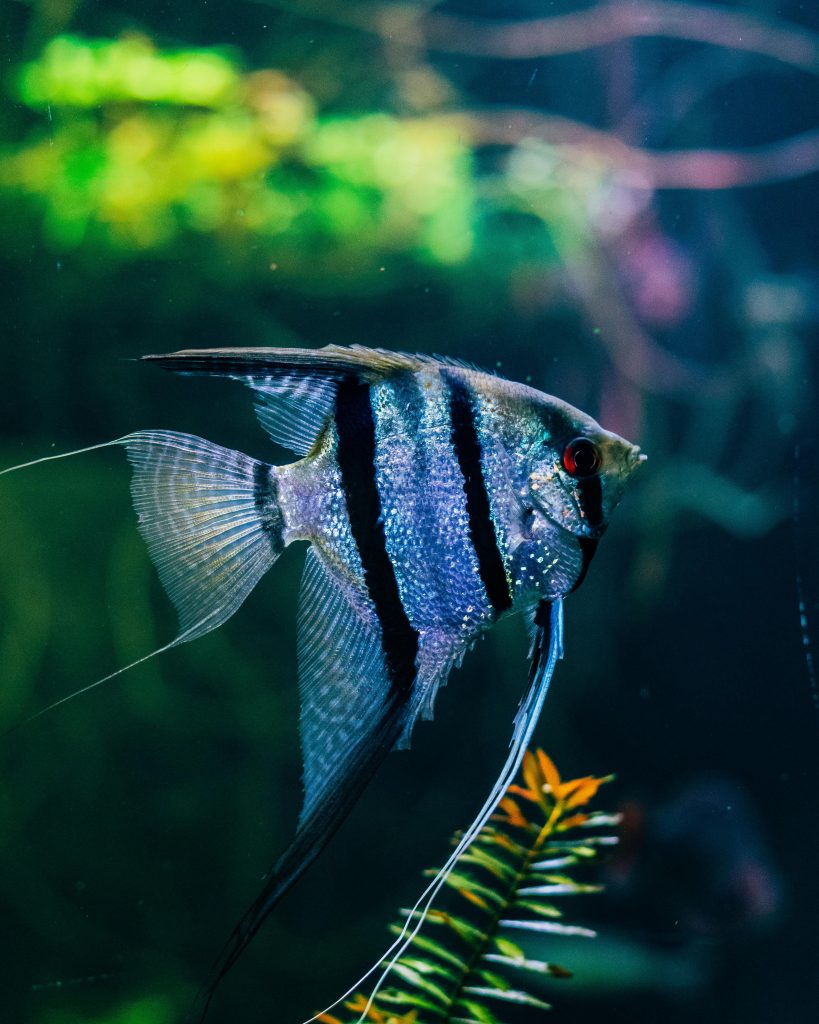
With proper care, angelfish are quite hardy and can live for 10 years or more, with some reports exceeding 12 years. Their primary health vulnerabilities stem from environmental stress.
Common Health Issues
- Ich (White Spot Disease): The most common aquarium parasite, characterized by tiny white salt-like spots on the body and fins. Often triggered by temperature fluctuations or stress. Treated by gradually raising the tank temperature to 86°F for 10-14 days or using copper-based medications in a quarantine tank.
- Fin Rot: A bacterial infection that causes the fins to appear frayed, milky, or disintegrate. It is almost always a result of poor water quality or fin-nipping tank mates. Treatment involves immediate water improvement and antibacterial medications.
- Hexamita (Hole-in-the-Head Disease): Manifests as small pits or lesions on the head and lateral line. Linked to prolonged poor water quality and nutritional deficiencies. Treated with metronidazole in the food and immaculate water conditions.
- Bacterial Infections: Broad symptoms including ulcers, bloating, or pop-eye. Often secondary to physical injury or chronic stress.
Preventative Care
The vast majority of diseases are preventable. A strict regimen of weekly water changes of 25-30%, quarantining new fish for at least 2-4 weeks, providing a varied and high-quality diet, and avoiding overcrowding will keep angelfish healthy for years. Observing your fish daily during feeding allows for early detection of any abnormal behavior or physical signs.
Availability and Cost
Freshwater Angelfish are arguably one of the most readily available aquarium fish globally.
Where to Buy
- Local Fish Stores: The most common source, offering a range of sizes and common varieties.
- Aquarium Society Auctions/Expos: Excellent places to find high-quality stock, rare color morphs, and expert breeders.
- Online Breeders: Specialized breeders offer the widest selection of specific, high-grade varieties like Blue Blushing, Altum (a different, more delicate species), and intricate patterned strains.
Cost Breakdown
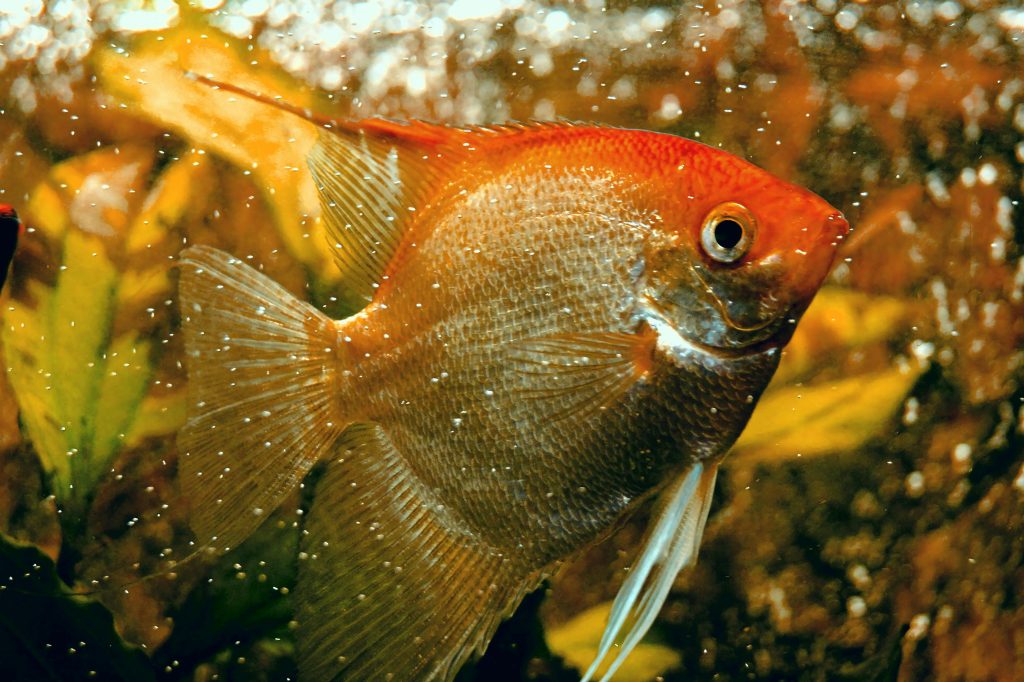
- Fish Price: Varies dramatically by variety. Standard Silver or Marble angelfish typically cost $5 to $15 each. Fancy varieties like Koi, Ghost, or Platinum can range from $20 to $50+. Rare, show-quality specimens can command prices over $100.
- Setup Cost: This is the significant investment. A proper 55-gallon starter setup, including tank, stand, heater, filter, substrate, decor, lighting, water conditioner, test kit, and food, can easily range from $400 to $700 initially. Ongoing costs are relatively low, primarily for food, filter media, and electricity.
Pros and Cons
Pros
- Unmatched elegance and a wide array of stunning color morphs.
- Exhibits interesting behaviors and recognizable individual personalities.
- Long lifespan allows for a lasting aquatic companion.
- Peaceful enough for well-chosen community tanks.
- Breeding them is a challenging yet highly rewarding endeavor.
Cons
- Require a large, tall tank as adults, demanding significant space.
- Can become territorial and aggressive, especially when breeding.
- Sensitive to fluctuations in water quality and specific water parameters.
- Not compatible with many common aquarium fish due to size or fin-nipping tendencies.
- Prone to certain diseases if kept in suboptimal conditions.
Final Thoughts
The Freshwater Angelfish is a quintessential aquarium species for good reason. Their regal beauty and engaging behavior offer a rewarding experience that few other fish can match. While they are not a “set-and-forget” pet and demand a thoughtful, well-maintained environment, the effort is profoundly worthwhile. Success with angelfish hinges on understanding their need for space, stability, and selective companionship.
For those willing to invest in the proper setup and commit to consistent care, angelfish will repay the effort with years of graceful splendor and fascinating interaction. They are a testament to the beauty and complexity of the aquatic world, making them a worthy centerpiece for any dedicated aquarist’s home.
We encourage prospective owners to research thoroughly, start with the largest tank possible, and always source fish from reputable suppliers. A healthy start is the first step toward a decade of enjoyment with these magnificent creatures.
Have you kept Angelfish? Share your experiences and favorite species in the comments below! We’d love to hear about your aquascaping choices and what makes your school so special to you.
For more aquarium care tips and species profiles, stay tuned to our blog and don’t forget to subscribe to our newsletter! 🐠


Leave a Reply