
Hi there, pet lovers! 🐦
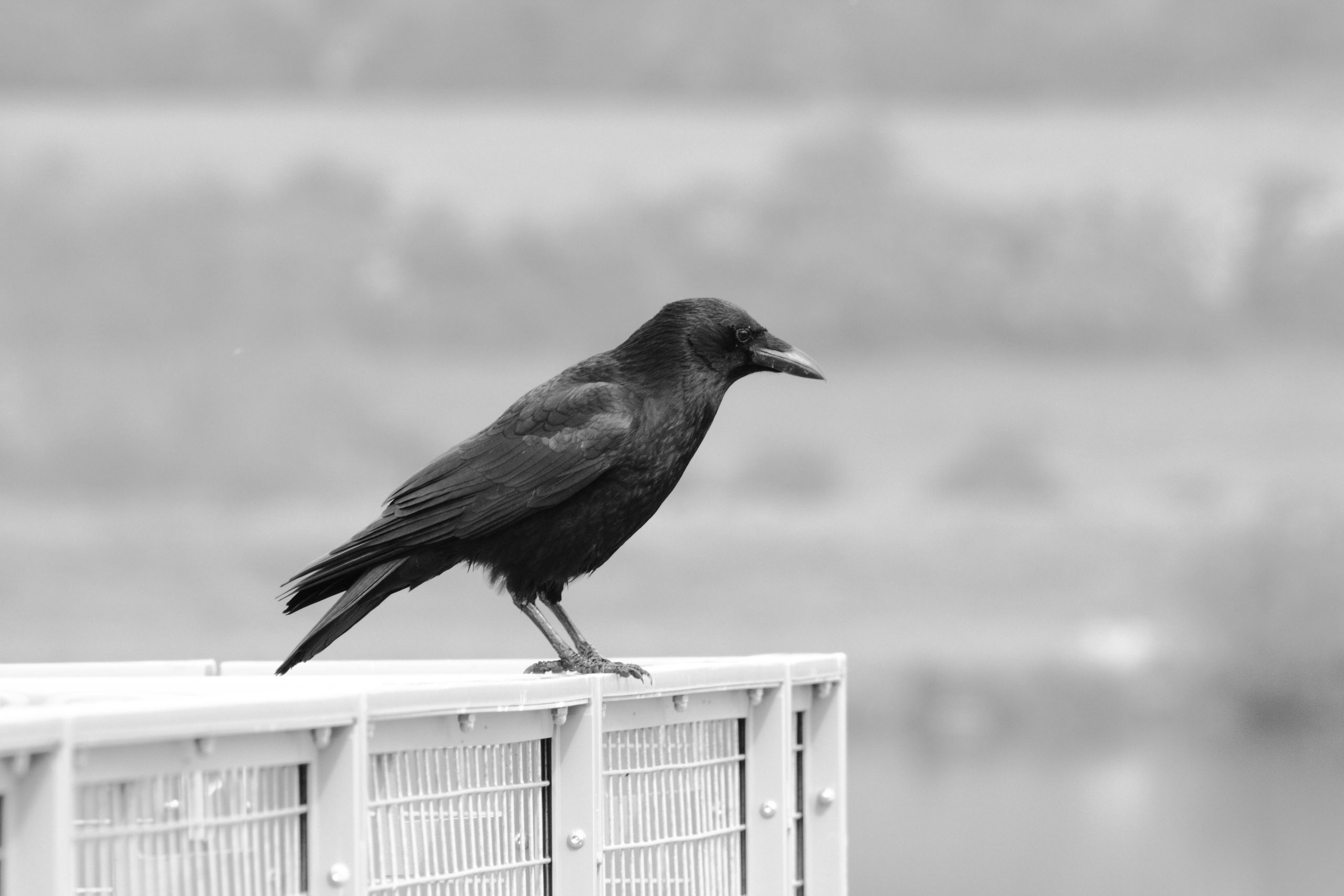
Of all the wild creatures that share our urban and suburban spaces, few capture our imagination quite like the crow. Highly intelligent, remarkably adaptable, and often misunderstood, these common birds can become fascinating, long-term companions in a very unique way.
This review is not about crow ownership, but about the practice and experience of forming a mutually respectful bond with a wild crow or a mated pair. It’s a journey of patience, observation, and quiet connection that can profoundly deepen your appreciation for the natural world right outside your window.
Overview
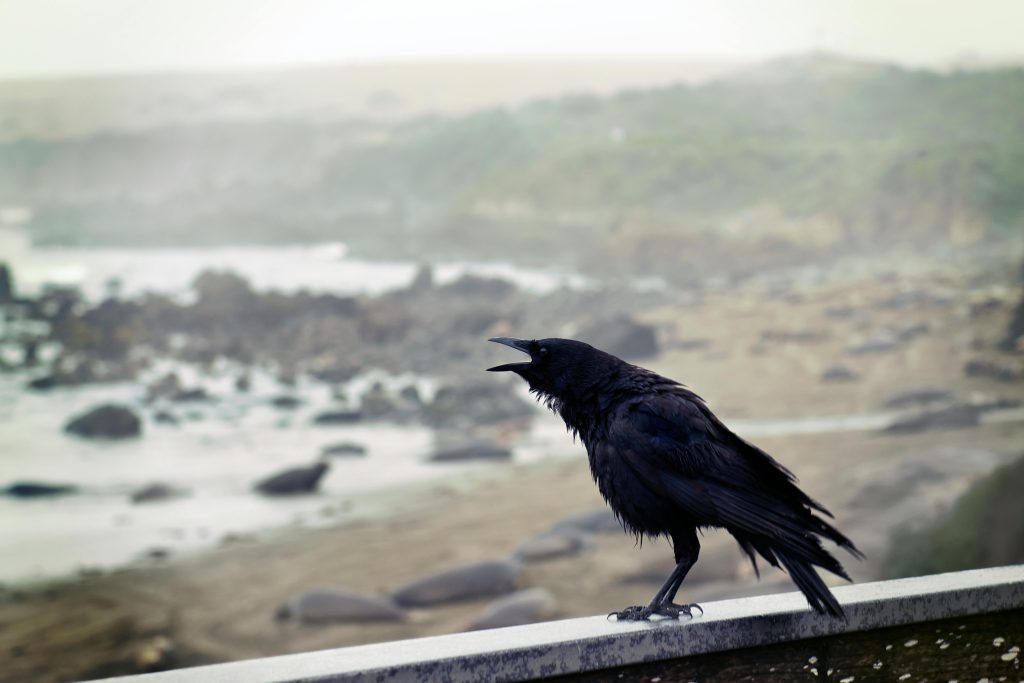
Crows (of the Corvus genus, like the American Crow or Carrion Crow) are highly intelligent, social, and wild birds common across many parts of the world. Forming a connection with them is a unique and rewarding experience that requires a shift from traditional “pet ownership” to one of respectful interspecies friendship. Here’s a quick summary of what this entails:
- Handling and Temperament: Wild crows are not for handling; the bond is based on trust and non-verbal communication. They are shy, observant, and can show remarkable individual personalities.
- Care and Maintenance: Involves reliable, species-appropriate feeding and providing clean water. It requires no traditional “enclosure” but a deep commitment to ethical practices.
- Health and Durability: Wild crows are resilient, with an average lifespan of 7-8 years, though they can live over 15-20 years in ideal conditions. Support focuses on providing safe, healthy food.
- Availability: They are ubiquitous neighbors in many regions. “Availability” refers to identifying a resident mated pair in your local area.
- Cost: Extremely low. Primary costs are for high-quality food (nuts, kibble, eggs).
- Overall: An incredibly rewarding experience for patient, observant individuals seeking a non-possessive, intellectual connection with wildlife. It is not a substitute for a traditional pet.
Why Choose to Befriend a Crow?
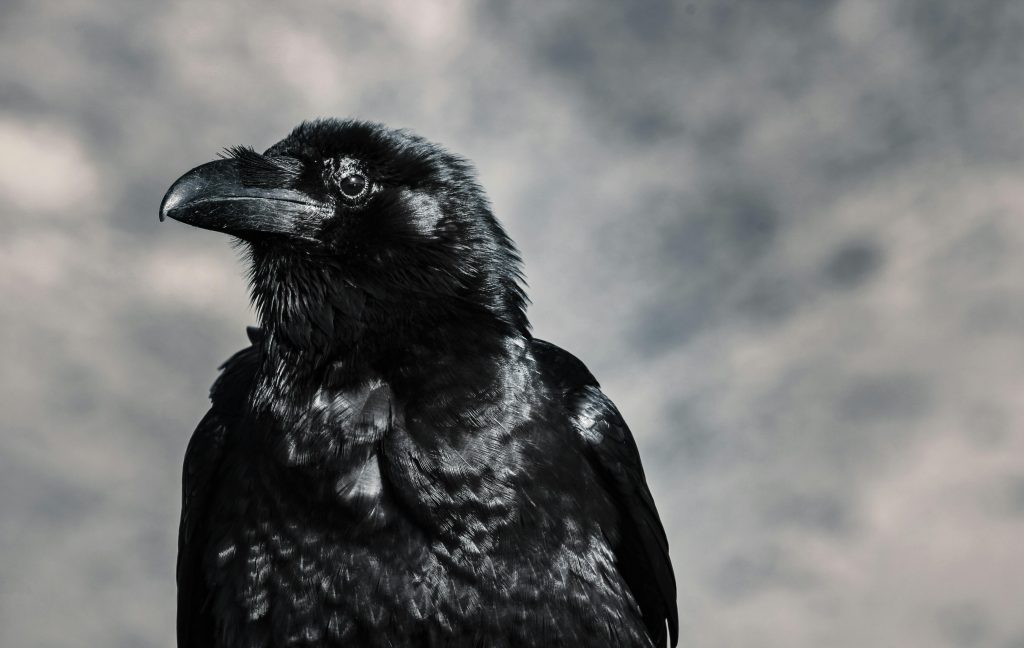
Choosing to befriend a crow is a commitment to learning a new language—one of quiet presence, consistent routine, and keen observation. It appeals to those who find wonder in the everyday intelligence of the wild, who enjoy the slow build of trust over weeks and months, and who seek a connection that doesn’t require captivity. This practice fosters mindfulness, deepens local ecological awareness, and can lead to a years-long relationship with a fascinating wild family. It’s about becoming a reliable, safe part of a crow’s landscape.

Handling and Temperament
It is crucial to understand that a relationship with a wild crow is not about physical handling. These are protected wild animals, and attempting to touch or hold them causes immense stress, is likely illegal, and breaks the very trust you aim to build. The “temperament” here refers to their behavioral traits and how to respectfully interact.
Building Trust, Not Dependency
The goal is to become a recognized, non-threatening fixture in the crow’s territory. They are neophobic (wary of new things) but highly intelligent and observant. They learn to recognize individual human faces and will associate you with positive outcomes (reliable, safe food). A 2012 study published in Animal Behaviour demonstrated that American Crows not only remember a “dangerous” human face for years but also teach their offspring and mates to recognize that threat.
Understanding Crow “Body Language”
Successful interaction requires reading their signals and respecting their space.
- The Direct Gaze: A predator-like, pointed stare is alarming to crows. They will often fly away if stared at directly.
- The Averted Gaze: Turning your head slightly away or looking at the bird with your peripheral vision signals you are not a threat. This is a fundamental key to making them feel safe in your presence.
- Vocalizations: Crows have a vast vocabulary. Short, soft clicks or caws near a food source can be an associative call, while loud, rapid, repeated caws often signal alarm or mobbing behavior directed at a predator.
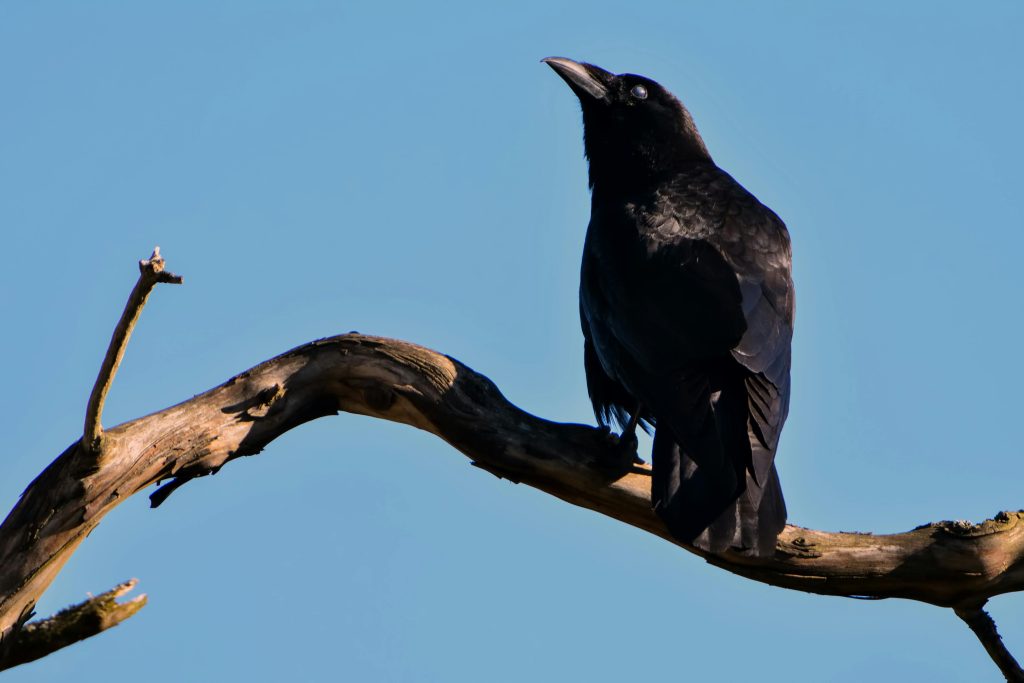
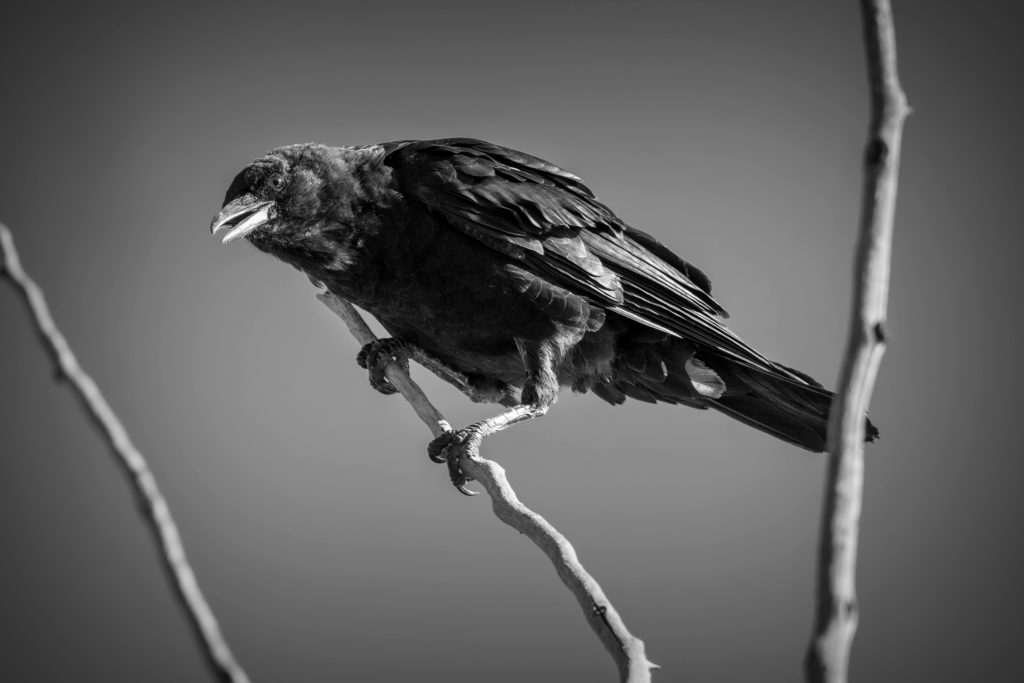
- Posture: A relaxed crow may fluff its feathers, preen, or hop around casually. A tense crow will appear sleek, upright, and ready for instant flight.
Individual Personalities
Over time, you will notice distinct personalities. One member of a pair may be the bold “sentinel” who approaches first, while the other remains cautious. Some may engage in “gifting,” leaving behind shiny objects like bottle caps or bits of glass near a feeding spot—a behavior widely anecdotally reported and considered by experts as a possible form of reciprocal interaction.
Care and Maintenance
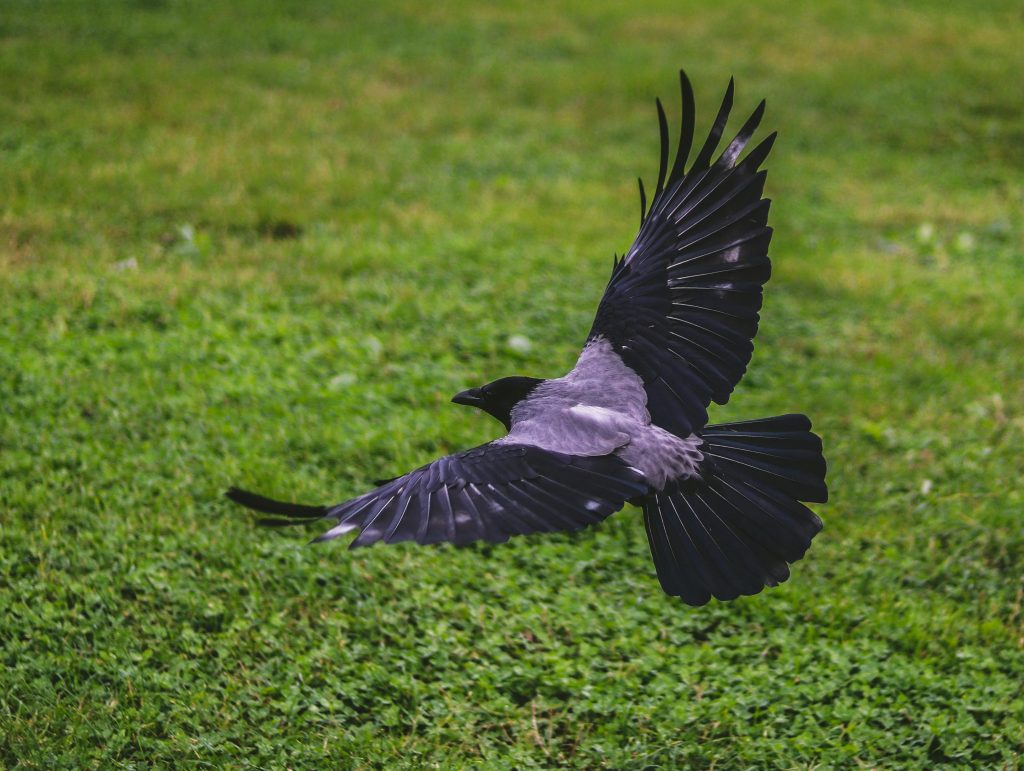
The “care” for a wild crow friendship revolves entirely around ethical supplemental feeding and environmental stewardship. You are not responsible for their total survival, but for being a safe and beneficial resource.
The Ethical Feeding Station
- Location: Choose a quiet, visible spot that is safe from immediate threats (like busy roads or off-leash dogs). A flat rooftop, a high fence post, or a quiet corner of a garden works well. Consistency is critical—always use the same place.
- The “Feeder”: Crows are large and awkward on small perches. They prefer stable, open platforms. A simple tray, a cleared section of pavement, or a large, shallow dish is perfect. Elevating it can help them feel secure.
- Clean Water: A crucial and often overlooked component. Crows need water for drinking and, notably, for dunking their food (a behavior called “sloshing”). Provide a large, heavy dish of fresh water daily.
The Ideal Crow Diet
The cornerstone of a healthy relationship is providing safe, nutritious food. An improper diet can cause serious harm.
- What to Feed:
- Unsalted Peanuts in Shell: A universal favorite. They provide mental stimulation (prying them open) and are nutritious.
- High-Quality Dry Dog or Cat Kibble: An excellent source of protein. Look for brands with meat as the first ingredient.
- Hard-Boiled or Scrambled Eggs: A superb source of protein and calcium, especially valuable during the breeding season.
- Raw or Cooked Meat Scraps (unsalted): Pieces of chicken, turkey, or beef.
- Sunflower Seeds, Cracked Corn, and Fruit: Like berries, chopped apples (seeds removed), or grapes.
- What to NEVER Feed:
- Salted, Spiced, or Processed Foods: Salt is toxic to birds and causes fatal dehydration.
- Chocolate, Caffeine, Alcohol: All are poisonous.
- Avocado, Onions: Toxic to many birds.
- Bread, Chips, Junk Food: These offer “empty calories,” fill them up without nutrition, and can lead to severe health issues like angel wing.
The Routine
The most powerful tool is predictability. Feeding at roughly the same time each day allows the crows to integrate you into their daily foraging route. Start by placing food and retreating to a distant observation point. Over time, you can reduce the distance as they become accustomed to your presence.
Health and Durability
When supported by a safe environment and supplemental food, wild crows are remarkably durable birds. Their primary health threats come from human activity: window strikes, rodenticide poisoning (from eating poisoned rodents), and lead poisoning (from ingesting lead shot or fragments).
Lifespan and Mortality
While the average lifespan of an American Crow is about 7-8 years due to high first-year mortality (around 50%), individuals that survive to adulthood can live much longer. Banding studies have recorded crows living well into their late teens and even over 20 years in the wild. By providing a safe, reliable food source and clean water, you help reduce the caloric stress and some of the risks associated with scavenging in urban areas.
Observing for Health
As you become familiar with your crow family, you can watch for signs of distress or illness:
- Fluffed Appearance for Extended Periods: While fluffing is normal for preening and temperature regulation, a perpetually puffed-up crow on the ground may be ill.
- Lethargy or Lack of Alertness: A healthy crow is vigilant. One that seems listless or unresponsive to movement is likely in trouble.
- Injury: Obvious wing droop or difficulty moving.
It is important to remember that if you suspect a crow is injured or ill, the most responsible action is to contact a licensed wildlife rehabilitator. Do not attempt to capture the bird yourself.
Availability and Cost
Unlike purchasing a pet, “availability” here is about geographic presence and local crow sociology.
Finding Your Crow Family
Crows are found across most of North America and in many urban, suburban, and rural habitats worldwide. The first step is simple observation. Listen for their calls at dawn and dusk. Look for them flying in pairs or small family groups. A resident, territorial mated pair—which stays in the same area year-round—is the ideal “candidate” for friendship. Large, noisy winter roosts contain transient flocks and are less suitable for building an individual bond.
The Minimal Financial Cost
The financial barrier to this hobby is exceptionally low.
- Initial “Setup”: $0 – $20 for a sturdy tray or dish for food and water.
- Ongoing Costs: Less than $10-$15 per month on high-quality peanuts, kibble, and occasional eggs. This is significantly less than the cost of maintaining even a small reptile or fish tank.
- Veterinary Costs: $0, as they are wild animals cared for by professionals if seriously injured.
Pros and Cons
Pros
- Fosters a deep, mindful connection with local wildlife and ecology.
- Based on mutual trust and intellectual engagement with a highly intelligent animal.
- Extremely low financial cost and no confinement required.
- The relationship can span many years, offering a unique window into crow family dynamics.
- Encourages learning about animal behavior, non-verbal communication, and environmental stewardship.
Cons
- Requires immense patience; trust-building is measured in months, not days.
- No physical contact or traditional “pet” interactions like handling or cuddling.
- Success is never guaranteed; the crows are free agents and may move territories.
- Potential for creating neighborhood nuisance if done irresponsibly (e.g., attracting large flocks).
- Involves ethical responsibility to provide only safe, species-appropriate food.

Final Thoughts
Befriending a crow is a profound exercise in patience and perspective. It challenges us to redefine companionship, moving beyond ownership to a relationship built on consistent, respectful presence. The reward is not a obedient pet, but the thrilling moment a wild, conscious being chooses to acknowledge you—to wait for you in the morning, to call out as you arrive, or to casually share the space of your garden, trusting you enough to go about its life in your presence.
It is a slow, quiet hobby that teaches us more about observation, respect, and the complex intelligence of our common neighbors than we could ever learn from a place of control. For the right person—someone detail-oriented, patient, and content with a connection that is felt more than it is held—the experience of building a bridge to a crow family can be one of the most enriching wildlife experiences available in our own backyards.
We highly recommend starting with simple observation. Learn their rhythms, their calls, and the layout of their territory. Offer a handful of unshelled peanuts on a consistent schedule, and let the story unfold at its own, natural pace. The world of corvids is waiting to be discovered, one careful, considerate step at a time.
Have you ever kept crow? Share your experiences, challenges, and tips in the comments below! We’d love to hear about your experience and what you’ve learned along the way.
For more pet care guides and species reviews, stay tuned to our blog and subscribe for future updates. 🕊️

Leave a Reply