
Hi there, pet lovers! 🐟
The world of aquarium fish is vast, but few genera are as instantly recognizable or surrounded by as much myth as the Plecostomus, or “Pleco” for short. Often marketed as an essential “clean-up crew,” these sucker-mouthed catfish are purchased by thousands of new hobbyists every year, frequently without a full understanding of their true needs and potential size.
This comprehensive review aims to separate fact from fiction, providing a detailed look at plecos, from the tiny and popular Bristlenose to the colossal Common Pleco. We will explore their care, compatibility, costs, and the significant long-term commitment they represent, ensuring you can make an informed and responsible decision for your aquatic community.
Overview
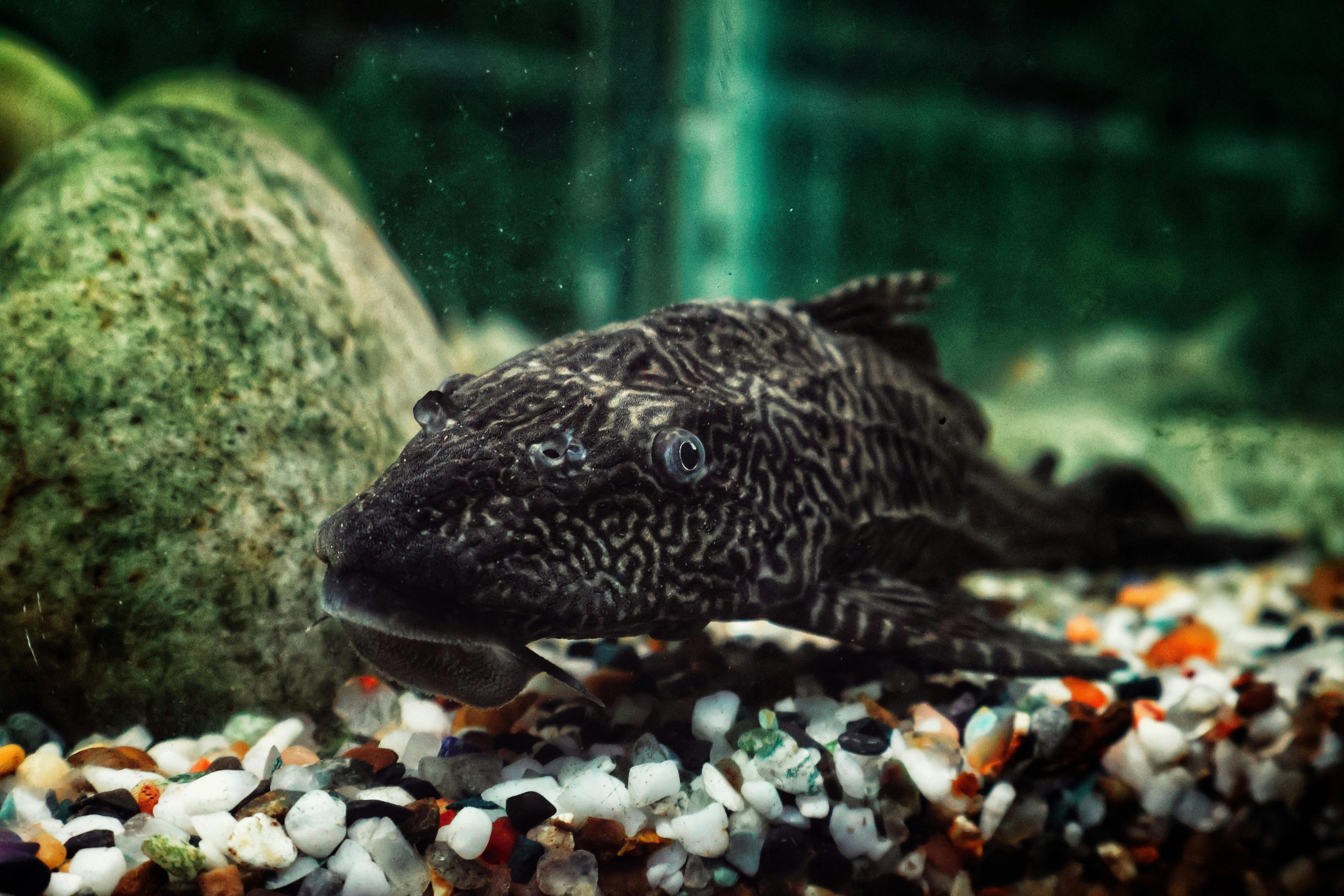
Plecos are a diverse group of armored catfish (family Loricariidae) native to South American rivers and streams. They are known for their sucker mouths, used for grazing and clinging to surfaces, and their bony plates called scutes. It is crucial to understand that “pleco” refers to over 150 species with wildly different requirements. For this review, we will focus on the two most commonly encountered: the manageable Bristlenose Pleco (Ancistrus cirrhosus) and the frequently misunderstood Common Pleco (Hypostomus plecostomus and similar species).
- Handling and Temperament: Not typically handled; peaceful but territorial with their own kind.
- Care and Maintenance: Moderate to high, with demanding long-term space and filtration needs for larger species.
- Health and Durability: Generally hardy but sensitive to poor water conditions and improper diet.
- Availability: Extremely widely available in most pet stores.
- Cost: Inexpensive to purchase, but long-term housing for large species is very costly.
- Overall: A fascinating aquarium resident for the right keeper, but a potential burden for the unprepared. Species selection is paramount.
Why Choose a Pleco?
Plecos are chosen for several reasons: their unique, almost prehistoric appearance, their interesting grazing behavior, and their perceived utility in algae control. A properly selected pleco, like the Bristlenose, can be a fantastic, long-lived resident in a community planted tank. Their nocturnal nature adds a layer of mystery, as they become active after lights out. However, it is vital to choose a pleco not as a maintenance shortcut, but as a valued pet with specific needs that you are prepared to meet for its entire lifespan, which can exceed 10-15 years for many species.
Handling and Temperament
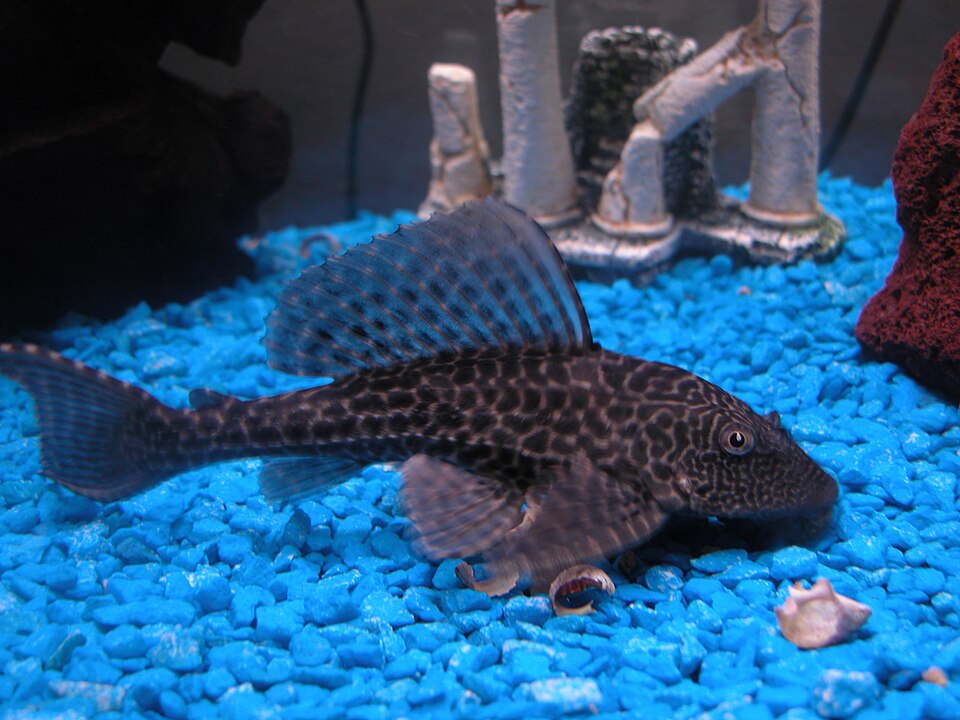
Plecos are not fish that are handled; they are observed. Their temperament within the aquarium is generally peaceful towards other tank mates that are not other plecos. However, they can be surprisingly territorial, especially males of the same or similar species.
Personality and Tank Mate Compatibility
Bristlenose plecos are exemplary community fish. They coexist well with guppies, tetras, dwarf cichlids, and even shrimp. They are busy bottom-dwellers that spend their time grazing on surfaces. Common plecos, while often peaceful when young, can become problematic as they grow. Their sheer size and bioload can stress smaller fish, and there are documented cases of very large plecos attempting to suck the slime coat off slow-moving, flat-bodied fish like goldfish or discus.
The Reality of Aggression
Aggression is most commonly intraspecific. Two male Bristlenose plecos in a tank that is too small will fight, often resulting in torn fins and visible circular wounds on their bodies. Providing ample space and multiple caves is essential if keeping more than one.
The “Sucker” Behavior
Their constant grazing on glass, wood, and décor is often misinterpreted as diligent cleaning. In reality, they are foraging for biofilm and algae. This behavior does not mean they are consuming all waste; they are simply feeding.
Care and Maintenance
This is the most critical section for any prospective pleco owner. Care varies dramatically by species, but all plecos share some core requirements that are often overlooked.
Enclosure Setup and Size Requirements
This is the single greatest point of failure in pleco keeping. The minimum tank size is not a suggestion; it is a requirement for health.
- Bristlenose Pleco: A mature Bristlenose can reach 4-6 inches (10-15 cm). A single adult requires a minimum of a 20-30 gallon aquarium, preferably longer rather than taller, as they are bottom-oriented.
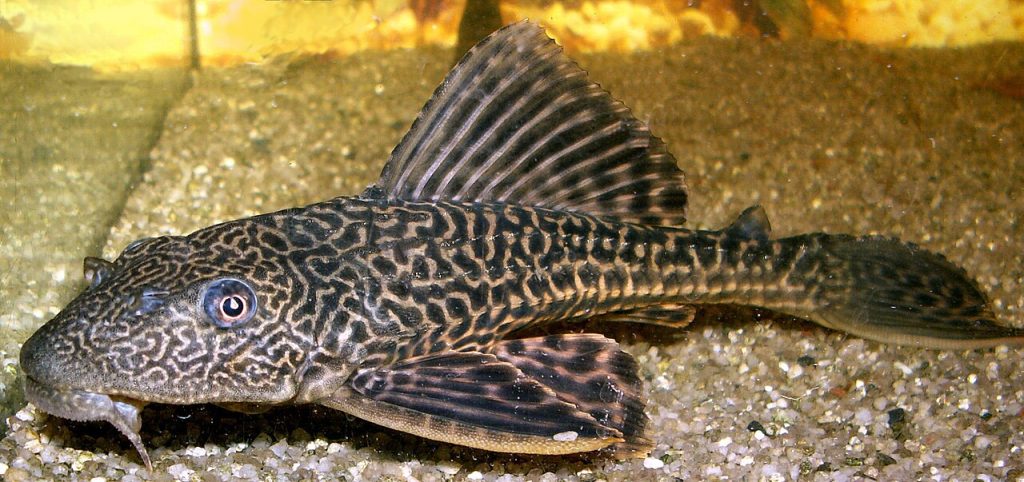
- Common Pleco: The “common” name is a tragic misnomer for its space needs. Hypostomus plecostomus routinely reaches 18-24 inches (45-60 cm) in captivity. The absolute minimum tank for an adult is a 6-foot long, 125-180 gallon aquarium. They are simply not suitable for standard home aquariums.
Essential Environmental Features
- Filtration and Water Quality: Plecos, especially large ones, are prodigious waste producers. A powerful filtration system rated for 2-3 times the tank’s volume is necessary. They are sensitive to their own waste, requiring pristine water with nitrates consistently below 20 ppm. Weekly water changes of 25-50% are non-negotiable.
- Hiding Places and Décor: Plecos are crepuscular or nocturnal and require secure hiding spots to feel safe during the day. Ceramic caves, PVC pipes, and driftwood tunnels are essential. Without them, the fish experiences chronic stress.
- The Non-Negotiable: Driftwood: A piece of natural driftwood is not optional décor; it is a critical part of their diet for most species. Plecos rasp on the wood to ingest lignin and cellulose, which aids in their digestion. A tank without driftwood is a tank with an unhealthy pleco.
Water Parameters
Plecos are tropical fish. They require a stable heater and consistent temperatures.
- Temperature: 72°F – 82°F (22°C – 27°C).
- pH: Slightly acidic to neutral is ideal, ranging from 6.5 to 7.8. Stability is more important than a perfect number.
- Water Flow: Mimicking their native fast-flowing rivers with a moderate current is appreciated and helps keep the water oxygenated.
The Crucial Element: Diet and Feeding
The myth that plecos “clean the tank” and “eat algae” leads to more starvation deaths than any other factor. Plecos are omnivores with specific dietary needs.
- What They Actually Eat: A proper pleco diet includes:
- High-Quality Prepared Foods: Algae wafers, spirulina pellets, and specially formulated pleco tablets should be a staple. These sink to the bottom where they feed.
- Fresh Vegetables: Blanched zucchini, cucumber, shelled peas, and spinach are relished. These must be weighted down and removed within 24 hours to avoid fouling the water.
- Protein: While primarily herbivorous, they do require some protein. Occasional offerings of sinking carnivore pellets, bloodworms, or brine shrimp are beneficial.
- The Starvation Reality: A tank’s algae growth is insufficient to sustain any pleco. They must be target-fed like every other fish in the aquarium. A sunken belly is a clear sign of malnutrition.
Health and Durability
Plecos are armored but not invincible. Their health is directly tied to their environment and diet.
Common Health Issues
- Malnutrition and Starvation: The most common ailment, presenting as a emaciated body with a pinched or sunken belly.
- Poor Water Quality: Ammonia or nitrite spikes, or chronically high nitrates, lead to stress, fin erosion, and increased susceptibility to diseases like Ich.
- Bloat and Digestive Issues: Often caused by a diet too high in protein or lack of fibrous material (like driftwood and vegetables).
Preventative Care and Lifespan
With exceptional care, plecos are remarkably long-lived fish, making them a decades-long commitment.
- Bristlenose Pleco: Have a typical lifespan of 5-7 years, with some reports exceeding 12 years.
- Common Pleco: Can live for 10-15 years or more in spacious, well-maintained systems.
Their durability is a double-edged sword; they can survive in poor conditions for a surprisingly long time, masking suffering until it is too late. Proactive, premium care is the only ethical approach.
Availability and Cost
Where to Buy
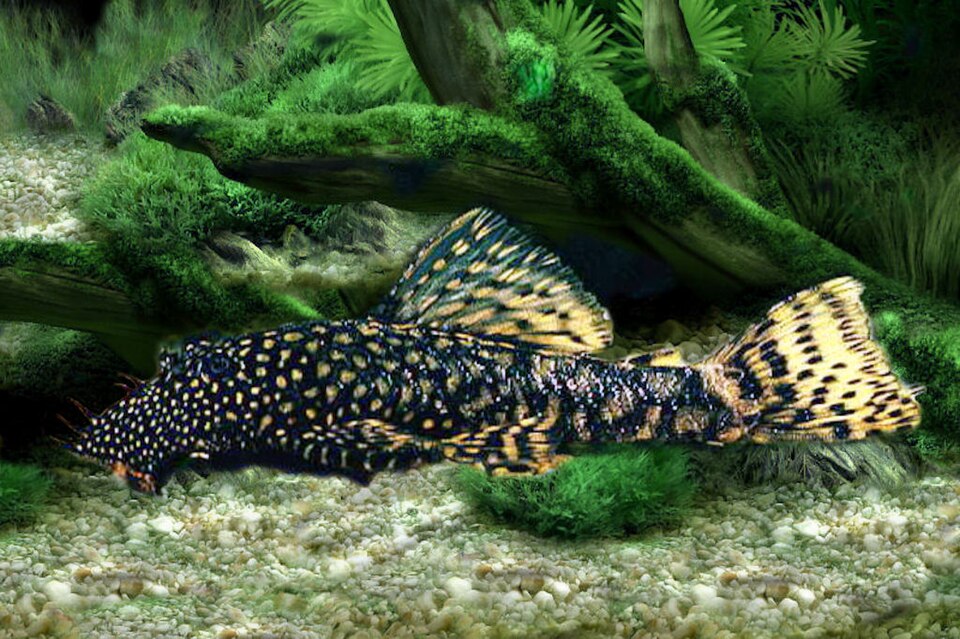
Plecos are ubiquitously available. Juvenile Common Plecos and Bristlenose are staples in almost every big-box pet store and local fish shop. For more exotic color morphs like Albino, Super Red, or Long-Fin Bristlenose, dedicated aquatic breeders and online specialty retailers are the best sources.
The True Cost Breakdown
The initial purchase price is a tiny fraction of the lifetime cost.
- Fish Price: A juvenile Common Pleco may cost $3-$8. A Bristlenose pleco ranges from $10-$25, with rare morphs reaching $50-$100.
- Setup Cost (Bristlenose): For a proper 30-gallon setup with tank, stand, robust filter, heater, lights, décor, and driftwood, a new hobbyist should budget $300-$500.
- Setup Cost (Common Pleco): For an adult-sized 180-gallon aquarium with industrial-grade filtration, the initial investment can easily exceed $1,500-$2,500.
- Ongoing Costs: Electricity for large tanks, high-quality food, water conditioners, and filter media constitute significant recurring expenses.
Pros and Cons
Pros
- Unique and fascinating appearance and behavior.
- Effective at consuming soft surface algae (diatoms) as part of a varied diet.
- Bristlenose species are excellent, manageable community fish for medium-sized tanks.
- Generally peaceful toward non-competing tank mates.
- Long lifespan allows for a lasting pet relationship.
Cons
- Severe space requirements are routinely and tragically underestimated.
- They are massive waste producers, demanding powerful filtration and frequent maintenance.
- The “cleaner fish” myth leads to widespread malnutrition.
- Larger species can outgrow almost any home aquarium, leading to abandonment or rehoming difficulties.
- Can be territorial with other bottom-dwellers or conspecifics.
- Their nocturnal nature means they are often hidden during viewing hours.
Final Thoughts
Plecos are not a monolithic group, and our review underscores a critical dichotomy: the Bristlenose Pleco can be one of the most rewarding catfish for the average hobbyist, while the Common Pleco is one of the most problematic and mismatched pets in the entire aquarium trade.
The decision to get a pleco must be made with careful research and absolute honesty about your ability to provide for it at its adult size. We strongly recommend the Bristlenose or other dwarf species (Clown Pleco, Rubberlip Pleco) for almost all home aquarists. If you feel drawn to the majesty of a large Common Pleco, we urge you to consider adopting one from a rescue group or hobbyist who can no longer house it, and ensure you have the monumental tank required.
When selected responsibly and cared for meticulously, a pleco becomes a captivating centerpiece of a bioactive world, a living reminder of the complex, beautiful ecosystems found in Earth’s waterways. The reward is profound, but the responsibility is equally significant.
Have experiences with plecos you’d like to share? Questions about species selection or care? We welcome your stories and discussions in the comments below. For more deep dives into aquarium keeping, stay tuned to our blog. 🐟



Leave a Reply