
Hi there, pet lovers! 🌈
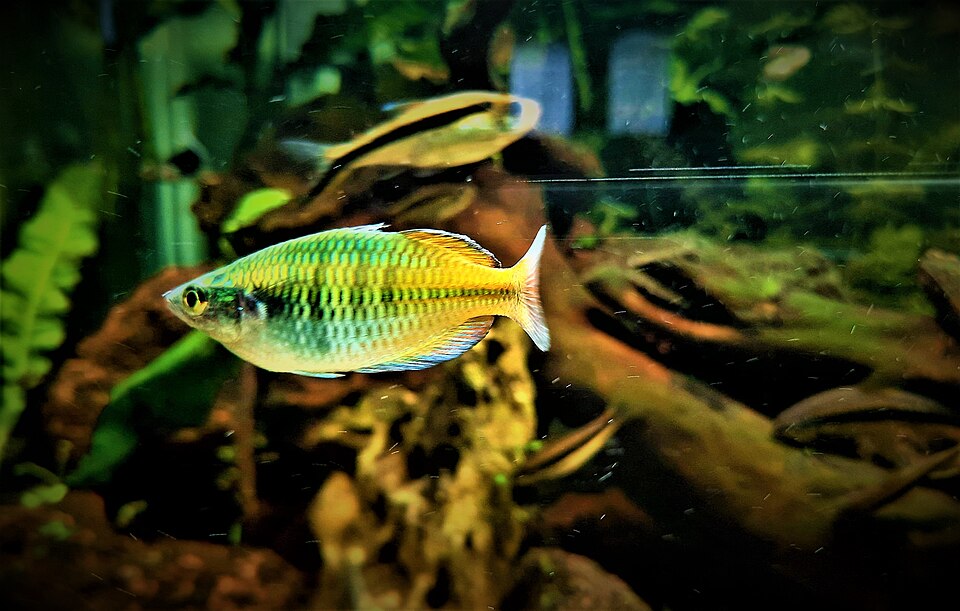
Dive into the vibrant world of rainbowfish, a dazzling group of freshwater species that have captivated aquarium keepers for decades. Renowned for their iridescent scales, peaceful nature, and dynamic schooling behavior, rainbowfish offer a shimmering spectacle that can become the centerpiece of any community tank.
In this detailed review, we will explore everything from their ideal habitat and specific care requirements to their social dynamics and long-term commitment. Whether you are a seasoned aquarist looking to add a flash of color or a beginner seeking a hardy yet stunning fish, this guide will provide the comprehensive knowledge needed for a successful and rewarding rainbowfish aquarium.
Overview
Rainbowfish are a family (Melanotaeniidae) of small to medium-sized, active fish primarily native to Australia, Papua New Guinea, and parts of Indonesia. They are celebrated for their stunning, light-reflecting colors that mature with age and proper care. Here’s a quick summary of what makes them a compelling choice:
- Handling and Temperament: Peaceful, active, and excellent community fish. They are observed, not handled, and thrive in groups.
- Care and Maintenance: Moderate maintenance. They require stable, high-quality water conditions and a thoughtfully aquascaped tank.
- Health and Durability: Generally hardy and long-lived when kept in optimal conditions, but sensitive to poor water quality.
- Availability: Widely available, with common species found in most pet stores and rarer varieties available through specialist breeders and online retailers.
- Cost: Moderate initial investment for the fish and setup, with ongoing costs for food and maintenance.
- Overall: A rewarding and brilliantly colorful pet fish for aquarists willing to meet their specific needs for space, water quality, and companionship.
Why Choose Rainbowfish?
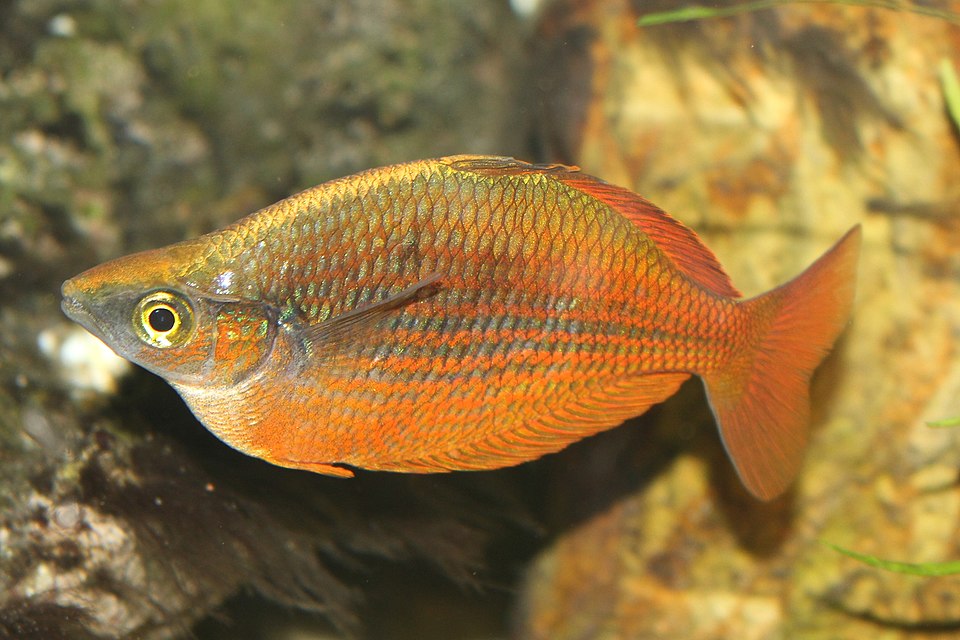
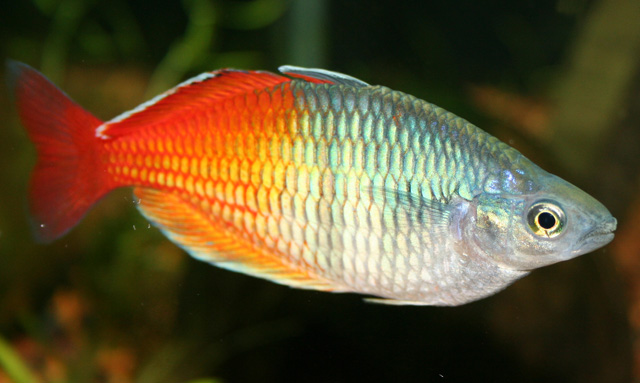
Rainbowfish are the perfect choice for aquarists wanting to bring a moving kaleidoscope into their home. Their shimmering colors, which can range from electric blue and sunburst yellow to deep red and metallic green, are a daily reward for good husbandry. They are active swimmers, displaying fascinating social interactions and schooling behaviors that bring an aquarium to life. With a potential lifespan of 5 to 8 years for many species, and even up to 10-12 years for well-cared-for larger varieties, they represent a significant and enjoyable long-term commitment. Their peaceful nature makes them ideal candidates for thoughtfully stocked community tanks, allowing for a diverse and harmonious underwater ecosystem.
Handling and Temperament
It is crucial to understand that fish are not “handled” in the traditional sense; they are observed. Their temperament is reflected in their behavior and interactions within the aquarium.
Personality and Social Structure
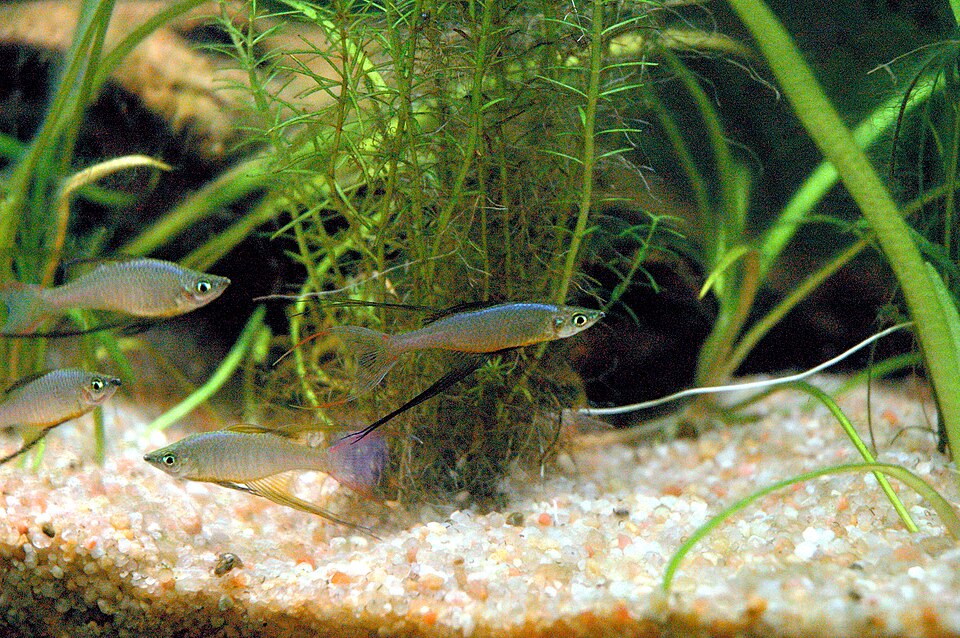
Rainbowfish are inherently social and must be kept in groups. A solitary rainbowfish will often become stressed, shy, and fail to display its full colors. We recommend a minimum school of six individuals, with more being preferable for larger tanks. In a group, they establish a gentle hierarchy, with males displaying to each other and courting females in a spectacular show of flared fins and intensified colors. This interaction is a key part of their appeal.
Community Tank Compatibility
Their peaceful disposition makes them excellent neighbors for other non-aggressive fish of similar size. Suitable tank mates include other rainbowfish, tetras, danios, peaceful barbs, Corydoras catfish, and plecos. They are not fin-nippers and rarely show outright aggression. However, their active swimming style can intimidate very timid or slow-moving fish. It is also important to avoid housing them with large, aggressive cichlids or predators that may see them as food.
Activity Level
These are active, mid-to-upper water column swimmers. They appreciate open space to dart and school but also value the security of dense planting along the sides and back of the tank. A well-planned tank provides both.
Care and Maintenance
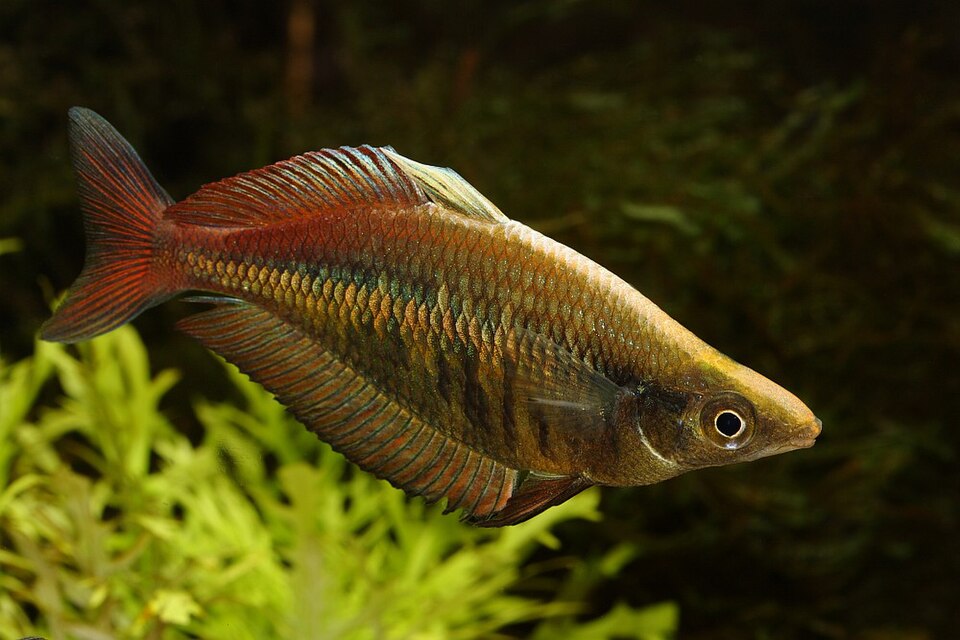
While not the most difficult fish to keep, rainbowfish thrive under consistent and specific conditions. Success lies in replicating their pristine natural habitats as closely as possible.
Aquarium Setup
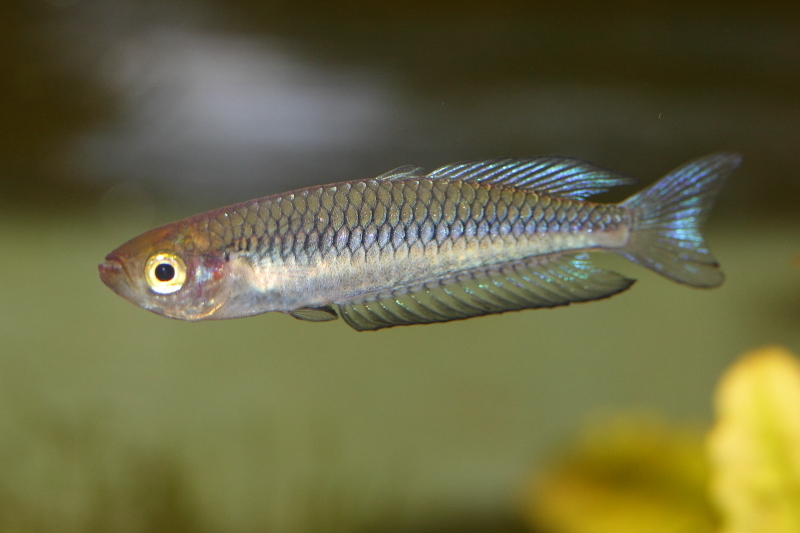
- Tank Size: This is the most critical factor. Despite outdated advice, most rainbowfish require more space than a standard 30-gallon tank can provide. A 4-foot long aquarium (55 gallons or larger) is considered the gold standard for most common species like Bosemani (Melanotaenia boesemani) or Turquoise (Melanotaenia lacustris) rainbows. This allows for proper schooling and swimming. Dwarf species, like the Dwarf Neon Rainbowfish (Melanotaenia praecox), can thrive in a well-maintained 20-gallon long or 40-gallon breeder tank.
- Aquascaping: Mimic their natural environment. A dark substrate (sand or fine gravel) dramatically enhances their colors. The tank should be heavily planted around the perimeter with species like Java Fern, Vallisneria, and Amazon Swords, leaving ample open swimming space in the front. Driftwood and smooth rocks can add structure and hiding places.
- Filtration and Flow: Robust, efficient filtration is non-negotiable. Rainbowfish come from clean, well-oxygenated waters. A canister or hang-on-back filter rated for a tank larger than yours is advisable. Ensure good water surface agitation for gas exchange, but avoid creating a torrential current.
Water Parameters and Quality
Stability is more important than chasing perfect numbers, but aiming for an ideal range is key.
- Temperature: 72°F to 78°F (22°C to 25.5°C). They do not tolerate warm water well; sustained temperatures above 80°F can lead to stress and increased disease susceptibility.
- pH & Hardness: They are adaptable but prefer slightly alkaline, moderately hard water. Aim for a pH of 7.0 to 8.0 and a general hardness (GH) of 8-12 dGH. Avoid very soft, acidic water.
- Water Changes: This is paramount. Rainbowfish respond brilliantly to large, regular water changes. A weekly change of 30-50% of the total water volume is highly recommended to remove nitrates, replenish minerals, and promote health and spawning behavior. Always use a water conditioner to neutralize chlorine/chloramines.
Feeding and Nutrition
A varied, high-quality diet is the engine behind their spectacular colors.
- Diet: Rainbowfish are omnivores with a preference for meaty foods. Their diet should consist of:
- High-Quality Flakes or Pellets: Use a primary staple food with a protein content of 45% or higher.
- Frozen and Live Foods: Regularly supplement with brine shrimp, daphnia, bloodworms, and mosquito larvae. These foods bring out intense colors and encourage natural foraging behavior.
- Vegetable Matter: Include spirulina-based flakes or blanched vegetables like spinach or zucchini occasionally.
- Feeding Schedule: Feed small amounts 2-3 times daily, only what they can consume in about two minutes. For adult fish, incorporating one fasting day per week can aid digestion.
Lighting
Standard aquarium LED lighting is sufficient. A planted tank light will support live plants and also showcase the rainbows’ iridescence beautifully. A consistent photoperiod of 8-10 hours is ideal.
Health and Durability
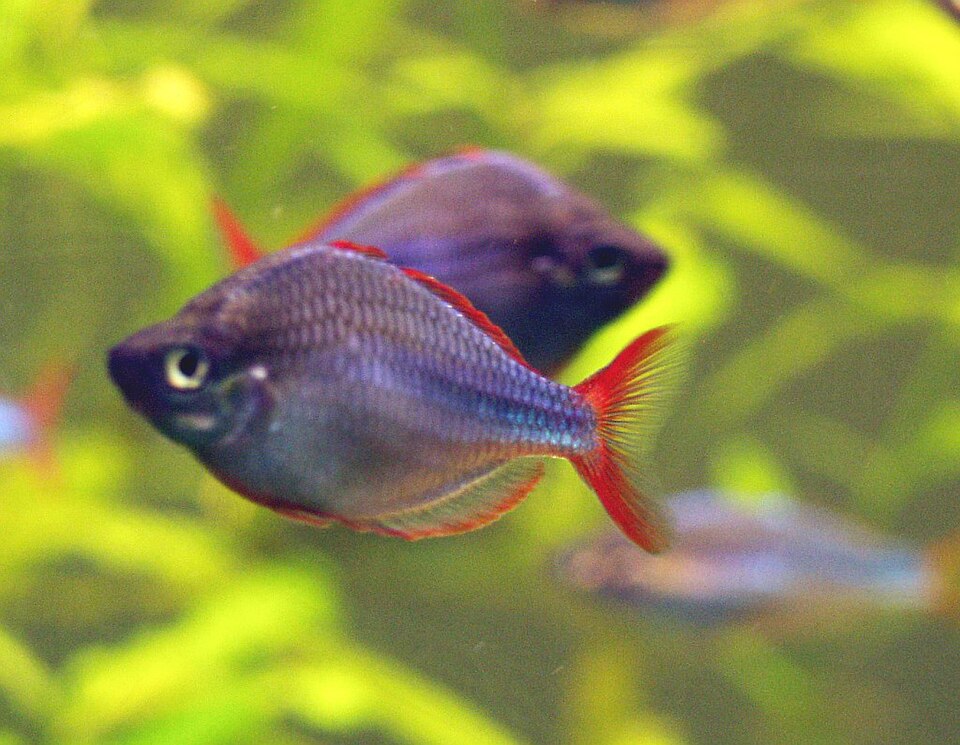
Rainbowfish are inherently robust, but their health is directly tied to their environment. The most common health issues are all preventable through excellent tank management.
Common Health Issues
- Ich (White Spot Disease): A parasitic infection often triggered by stress from transport or poor water conditions. It appears as tiny white salt-like spots on the body and fins.
- Fungal and Bacterial Infections: These often manifest as cotton-like growths, ulcers, or fin rot, and are typically secondary to injuries or chronic stress from subpar water quality.
- Preventative Care: The absolute best medicine is prevention. Maintaining impeccable water quality through filtration and large weekly water changes is the single most important factor in keeping rainbowfish healthy. Quarantining new fish for at least 2-3 weeks before introducing them to the main tank is also a critical practice that cannot be overstated.
Lifespan and Commitment
With proper care, as outlined above, rainbowfish are long-lived aquarium residents. Most common species have a typical lifespan of 5 to 8 years. Larger species, like the Parkinsoni Rainbowfish (Glossolepis parkinson), can live 10 years or more. This longevity makes them a pet that requires a lasting commitment.
Availability and Cost
Rainbowfish are widely accessible, though the variety available will depend on the source.
Where to Buy
- Local Fish Stores (LFS): Often carry common species like Bosemani, Turquoise, and Dwarf Neon Rainbows.
- Aquarium Society Auctions/Expos: Excellent places to find rare species, high-quality stock, and connect with expert breeders.
- Online Specialists: Numerous reputable online retailers ship a vast array of rainbowfish species directly to your door.
Cost Breakdown
- Fish Price: Varies significantly by rarity. Common species cost $5 to $15 per fish. Rare or large adult specimens can range from $20 to $50 or more each. Remember, they must be purchased in groups.
- Setup Cost: The initial investment is substantial. A suitable 55-gallon tank with a stand, robust filter, heater, light, substrate, plants, and decor can easily range from $500 to $800 or more. Ongoing costs include food, electricity, water conditioners, and filter media.
Pros and Cons
Pros
- Unmatched, shimmering iridescent colors that develop with age.
- Peaceful and excellent for community aquariums.
- Active, engaging swimmers with interesting social behaviors.
- Generally hardy and very long-lived with proper care.
- Wide variety of species and sizes to choose from.
Cons
- Require a large tank (4-foot minimum for most), needing significant space.
- Demand high water quality and commitment to large, weekly water changes.
- Colors are often subdued in juveniles and store displays; patience is required.
- Must be kept in schools of six or more, increasing initial fish cost.
- Can be outcompeted for food by faster, more aggressive surface feeders if not monitored.
Final Thoughts
Rainbowfish represent one of the pinnacle achievements in freshwater fish keeping—a harmonious blend of breathtaking beauty, fascinating behavior, and rewarding husbandry. They are not a “set-and-forget” pet but rather a dynamic aquatic project that responds directly to the care and attention provided. The sight of a full school of mature, color-saturated rainbows swimming through a lushly planted tank is a living masterpiece.
For those willing to provide the necessary space, pristine water, and company of their own kind, rainbowfish offer unparalleled rewards. Their dazzling display and peaceful grace will provide endless fascination and become a proud centerpiece in any home. We highly recommend starting with a robustly cycled tank and seeking out a reputable source for healthy, vibrant fish.
Have you kept rainbowfish? Share your experiences, favorite species, and aquascaping tips in the comments below! We’d love to hear about your journey with these incredible fish.
For more aquarium care guides and species highlights, stay tuned to our blog and don’t forget to subscribe to our newsletter! 🐠



Leave a Reply