
Hi there, pet lovers! 🐟
Today, we’re diving into the world of aquaculture to explore a truly remarkable animal: the Tilapia. Often thought of merely as a dinner plate staple, Tilapia have surged in popularity as a pet and farm animal for enthusiasts seeking a productive, engaging, and sustainable aquatic project.
Whether you’re a hobbyist looking to start a backyard pond, an aquaponics enthusiast, or someone fascinated by sustainable food sources, this comprehensive review will explore everything you need to know about keeping and raising Tilapia.
Overview
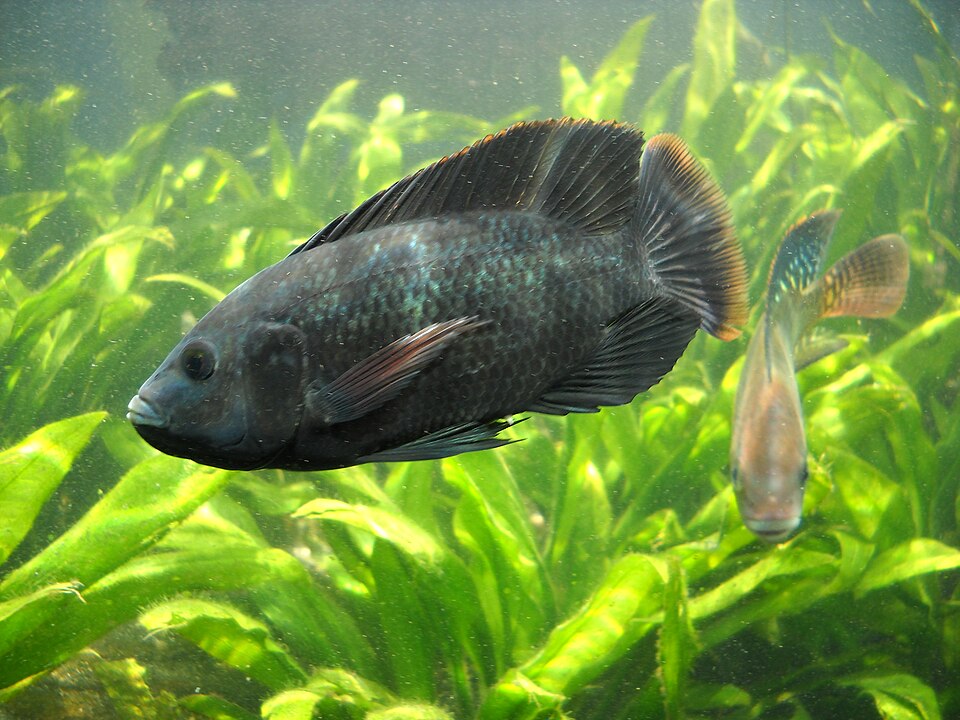
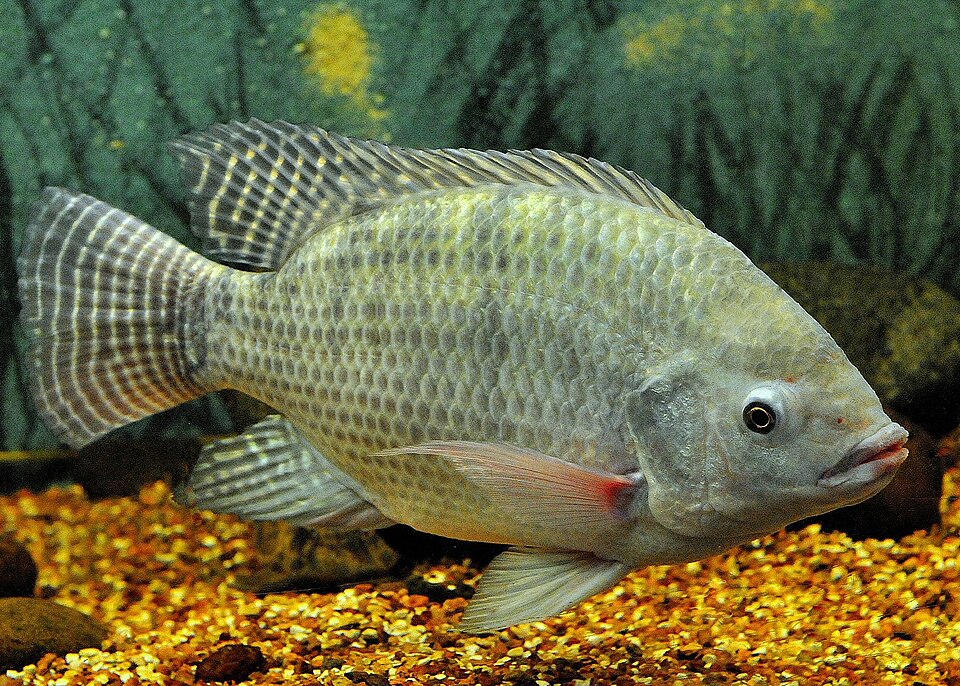
Tilapia is a common name for nearly a hundred species of cichlid fish, primarily from the genera Oreochromis, Tilapia, and Sarotherodon. Native to Africa and the Middle East, their hardiness and rapid growth have made them the second most farmed fish in the world. As pets or small-scale farm animals, they offer a unique blend of aquaculture and husbandry.
Here’s a quick summary of what makes them stand out:
- Handling and Temperament: Observational pets; not for handling but highly interactive during feeding.
- Care and Maintenance: Moderate to high maintenance, requiring diligent water quality management and temperature control.
- Health and Durability: Very hardy when conditions are stable, but sensitive to poor water quality and cold temperatures.
- Availability: Extremely widely available as fry or fingerlings from hatcheries and aquaculture suppliers.
- Cost: Very affordable to purchase, but setup costs for a proper system can be significant.
- Overall: A fantastic, productive project for aquaculturists, aquaponics gardeners, and dedicated hobbyists seeking more than just a decorative pet.
Why Choose Tilapia?
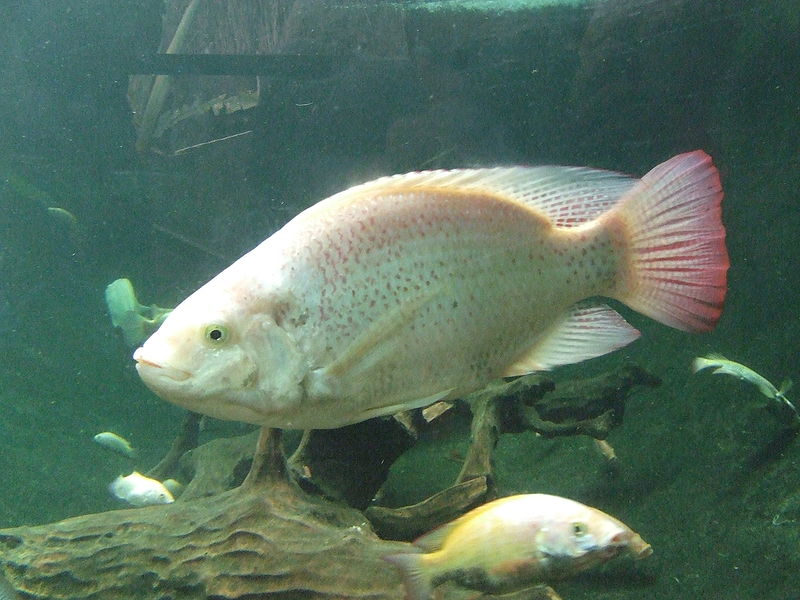
Tilapia are ideal for those looking to connect with their food source, engage in sustainable practices, or simply enjoy the serenity and productivity of a living ecosystem. They are efficient converters of feed, grow at an impressive rate, and can be raised in a variety of setups, from large indoor tanks to outdoor ponds. Their role in aquaponics—where fish waste fertilizes plants that in turn purify the water—makes them a cornerstone of integrated, closed-loop systems. For the dedicated keeper, they offer a deeply rewarding experience that blends pet care with the fundamentals of farming.
Handling and Temperament
It is crucial to understand that Tilapia are not “handled” in the traditional pet sense. They are observational livestock. However, their temperament is evident in their behavior. They are active, curious, and can become quite personable, especially at feeding time.
Behavioral Characteristics
Tilapia are generally peaceful with fish of similar size but can be territorial, especially during breeding. Males may develop intense coloration and engage in displays. They are omnivorous and constantly foraging, which makes them fascinating to watch as they nibble on plants, sift through substrate, and vigorously compete for food. In a well-established environment, they exhibit a wide range of natural behaviors.
Feeding Interaction
This is where their “personality” shines. Most Tilapia quickly learn to associate their keeper with food and will often swim to the surface or the side of the tank/pond in anticipation. They can be trained to eat from your fingers (though caution is advised) and display a frenetic, exciting feeding response that is a highlight for many owners.
Considerations
They are strong and can jump, so secure lids on tanks are mandatory. Their waste production is substantial, which is a benefit for fertilization but a demand on filtration. They are ultimately a food source, so prospective keepers must be prepared for the ethical and practical aspects of harvesting.
Care and Maintenance
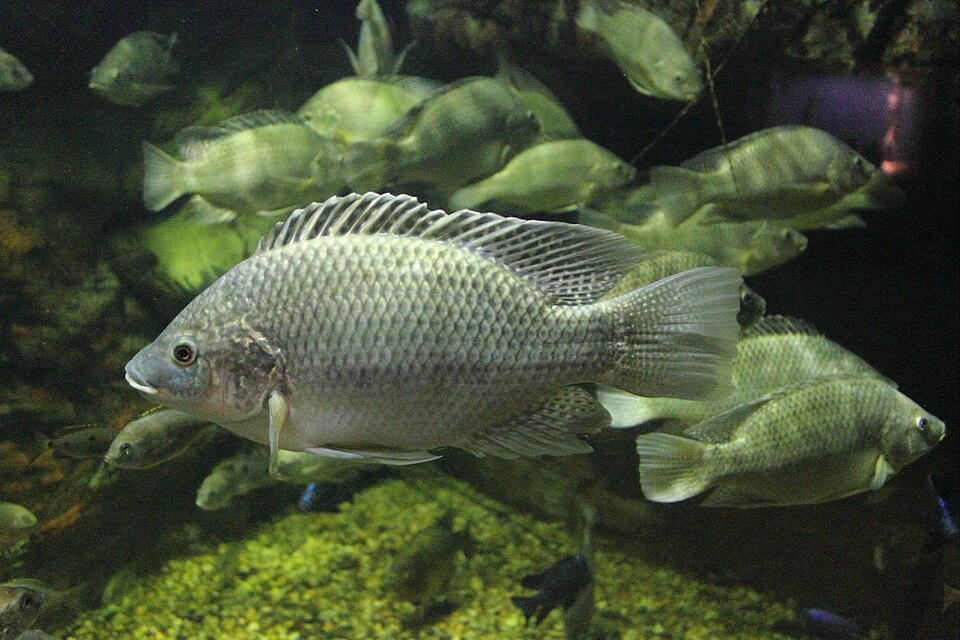
Tilapia are often touted as “easy” fish, but this only holds true if their specific needs are meticulously met. They are hardy survivors, but to thrive, they require consistent, high-quality conditions.
System Setup
- Tank/Pond Size: This is the most critical factor. A common stocking density is 1 pound of fish per 5-10 gallons of water. For a modest home harvest, a starting point is often a 300-gallon tank or pond. For a single pet Tilapia in an aquarium, an absolute minimum of 75 gallons is required for smaller species, with larger being vastly preferable.
- Water Space & Environment: They appreciate open swimming space but also require hiding spots like PVC pipes or clay pots to reduce stress and territorial aggression. A sandy or fine gravel substrate allows for their natural sifting behavior.
- Filtration: This is non-negotiable. Tilapia are prolific waste producers. A robust filtration system capable of handling 2-3 times the tank/pond volume per hour is essential. This includes mechanical filtration to remove solids and biological filtration to process toxic ammonia and nitrites. Canister filters, moving bed bioreactors, or dedicated pond filters are commonly used.
- Water Quality & Parameters: Stability is key.
- Temperature: They are warm-water fish. Optimal growth occurs between 80-85°F (27-29°C). They become sluggish below 70°F (21°C) and will die if water drops to 50-55°F (10-13°C). Heaters are mandatory for indoor tanks; outdoor ponds in non-tropical climates often require greenhouse covering or heating.
- pH: They prefer a range of 6.5 to 8.5.
- Ammonia & Nitrite: Must always be 0 ppm. Nitrates should be kept below 40 ppm through water changes or plant uptake in aquaponics.
- Oxygen: High dissolved oxygen (5 mg/L or more) is required for fast growth and health. Aeration via air stones or waterfall features is critical, especially in warmer, densely stocked water.
Feeding
Tilapia are not picky eaters, but a proper diet ensures health and flavor.
- Diet: A high-quality commercial aquaculture feed with 28-32% protein is standard for grow-out. Feed should be sized appropriately for their mouths. They will also gladly consume duckweed, algae, soft aquatic plants, and even black soldier fly larvae.
- Feeding Schedule: Juveniles (fry/fingerlings) are fed 3-5 times daily for maximum growth. Adults can be fed 2-3 times daily. A key rule is to only feed what they can consume in 5 minutes to prevent waste and water fouling.
- Supplements: Offering blanched vegetables (zucchini, peas) or aquatic plants provides variety and enrichment.
Health and Durability
When provided with pristine water conditions and warm temperatures, Tilapia are exceptionally resilient fish. Most health issues are directly linked to lapses in their environment.
Common Health Issues
- Poor Water Quality (Ammonia/Nitrite Poisoning): The number one killer. Symptoms include gasping at the surface, lethargy, and red streaking on the body. Prevented by cycled, adequate filtration and regular water testing.
- Low Temperature Shock: Causes loss of appetite, immune suppression, and death. Prevented with reliable heating.
- Parasites (Ich, Flukes) and Bacterial Infections: Often secondary to stress from poor conditions. Symptoms include flashing (rubbing against objects), visible spots, frayed fins, or ulcers. Quarantining new fish and maintaining low stress are key preventative measures.
- Aggression-Related Injuries: Overcrowding or lack of hiding spaces can lead to fin nipping and scale damage.
Preventative Care
The cornerstone of Tilapia health is preventative management. This includes:
- Cycling the system completely before adding fish.
- Quarantining all new fish for at least 2-4 weeks.
- Performing regular, partial water changes (10-20% weekly) or ensuring perfect balance in aquaponics.
- Testing water parameters at least twice a week with a liquid test kit.
- Observing fish daily for changes in appetite or behavior.
With optimal care, Tilapia reach harvestable size (1-1.5 pounds) in 6-9 months, and their natural lifespan can extend several years if not harvested.
Availability and Cost
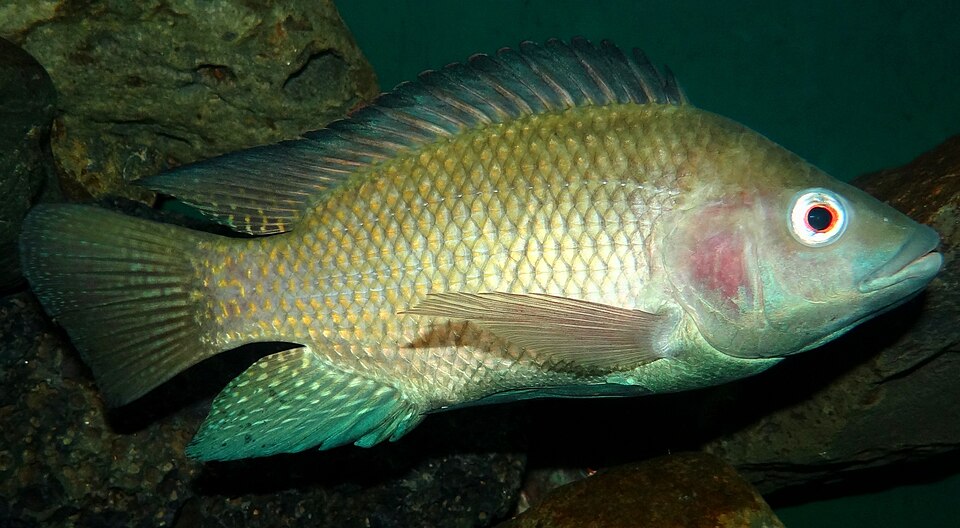
Tilapia are arguably one of the most accessible fish in the world from a sourcing perspective.
Where to Buy
- Hatcheries & Aquaculture Suppliers: The best source for healthy, disease-free fingerlings. They often ship overnight and offer specific sexed fish (all-male stocks grow faster and prevent uncontrolled breeding).
- Local Fish Farms: Supports local business and allows you to see the stock and conditions firsthand.
- Aquaponics Supply Companies: Frequently bundle live fish with system setups.
- Pet Stores (Rarely): Occasionally carry juveniles, but sourcing from an aquaculture specialist is generally recommended.
Cost Breakdown
- Fish Price: Fingerlings (1-3 inches) typically cost $0.25 to $1.00 each, depending on quantity, species, and sex. Purchasing in lots of 50-100 is common for small-scale projects.
- Setup Cost: This is the significant investment. A basic 300-gallon indoor tank system with robust filtration, heating, and aeration can easily cost $500-$1500 to establish. A lined outdoor pond setup can be less expensive but is subject to climate challenges. Ongoing costs include electricity (for pumps and heaters) and high-quality feed.
Pros and Cons
Pros
- Extremely fast growth rate under ideal conditions.
- Highly efficient feed conversion ratio (as low as 1.5:1).
- Hardy and adaptable to various aquaculture systems.
- Integral and productive component of aquaponics systems.
- Provides a sustainable source of protein.
- Engaging and interactive behaviors, especially during feeding.
Cons
- Requires a large, dedicated water volume and space.
- High and non-negotiable demand for filtration and aeration.
- Strict, warm temperature requirements make outdoor culture limited by climate.
- Prolific breeding can lead to overpopulation in mixed-sex tanks.
- Not a traditional “pet”; the end goal for many is harvesting.
- Legal restrictions on ownership exist in some southern U.S. states due to their potential as an invasive species. Always check local regulations.
Final Thoughts
Tilapia represent a profound step beyond typical pet ownership, venturing into the rewarding realms of aquaculture and sustainable food production. They are not low-maintenance, but for the dedicated individual willing to invest in the proper infrastructure and commit to diligent water management, the rewards are immense. The satisfaction of watching a school of fingerlings grow to maturity, the functional beauty of an integrated aquaponics system, and the ultimate connection to your food source create an unparalleled experience.
If you are considering Tilapia, we highly recommend starting small, perhaps with a large aquarium, to master the principles of water chemistry and filtration. Connect with local aquaponics or aquaculture communities, and source your fish from reputable hatcheries. The journey of raising Tilapia is one of continuous learning and immense gratification, offering a window into the vital processes that sustain our world.
Have you raised Tilapia or integrated them into an aquaponics system? Share your experiences, challenges, and tips in the comments below! We’d love to hear about your setup and what you’ve learned along the way.
For more guides on unique pets, sustainable farming, and detailed care sheets, stay tuned to our sanctuary blog. 🐟

Leave a Reply