
Hi there, pet lovers! 🐟
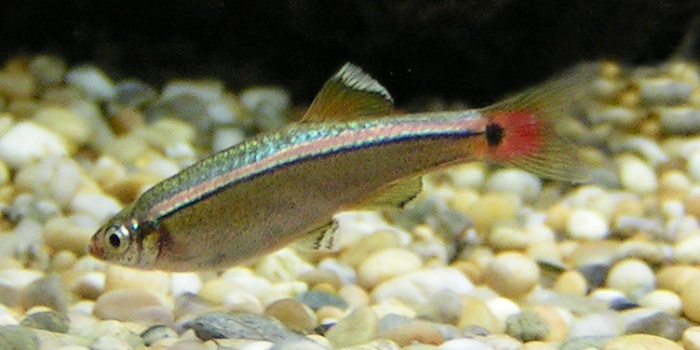
For pet lovers seeking a vibrant, resilient, and fascinating aquatic companion, look no further than the White Cloud Mountain Minnow (Tanichthys albonubes). This small fish packs a huge personality and is often hailed as one of the most beginner-friendly species in the hobby.
In this detailed review, we’ll explore everything from their peaceful temperament and straightforward care needs to their affordability and breeding potential. Whether you’re setting up your first tank or looking to add activity to a peaceful community, this guide will help you understand why the White Cloud Mountain Minnow deserves a spot in your home.
Overview
The White Cloud Mountain Minnow is a small, slender, freshwater fish native to the mountain streams of China. Discovered in the 1930s and once feared extinct in the wild, it has been preserved through decades of dedicated aquarium breeding. Renowned for its hardiness and shimmering colors, it’s a perfect choice for novice and experienced aquarists alike.
- Handling and Temperament: Peaceful, active, and excellent in groups. Observational pet, not for handling.
- Care and Maintenance: Exceptionally low-maintenance with forgiving water parameter requirements.
- Health and Durability: Extremely hardy and resistant to common fish ailments when kept in stable conditions.
- Availability: Universally available and very affordable.
- Cost: One of the most budget-friendly pets to purchase and maintain.
- Overall: An outstanding, resilient, and beautiful starter fish that brings dynamic life to any suitable aquarium.
Why Choose a White Cloud Mountain Minnow?
White Cloud Mountain Minnows are the ideal choice for anyone entering the aquarium hobby or seeking a lively, low-fuss aquatic display. Their remarkable hardiness allows them to thrive in a wider range of conditions than most tropical fish, including cooler temperatures that eliminate the need for a heater in many homes. Their small size (typically under 4 cm or 1.5 inches) means they don’t require a massive tank, making them perfect for apartments, offices, or as a desktop companion. With a lifespan of 3 to 5 years, and sometimes longer with optimal care, they offer a rewarding, long-term glimpse into aquatic life without overwhelming complexity.
Handling and Temperament
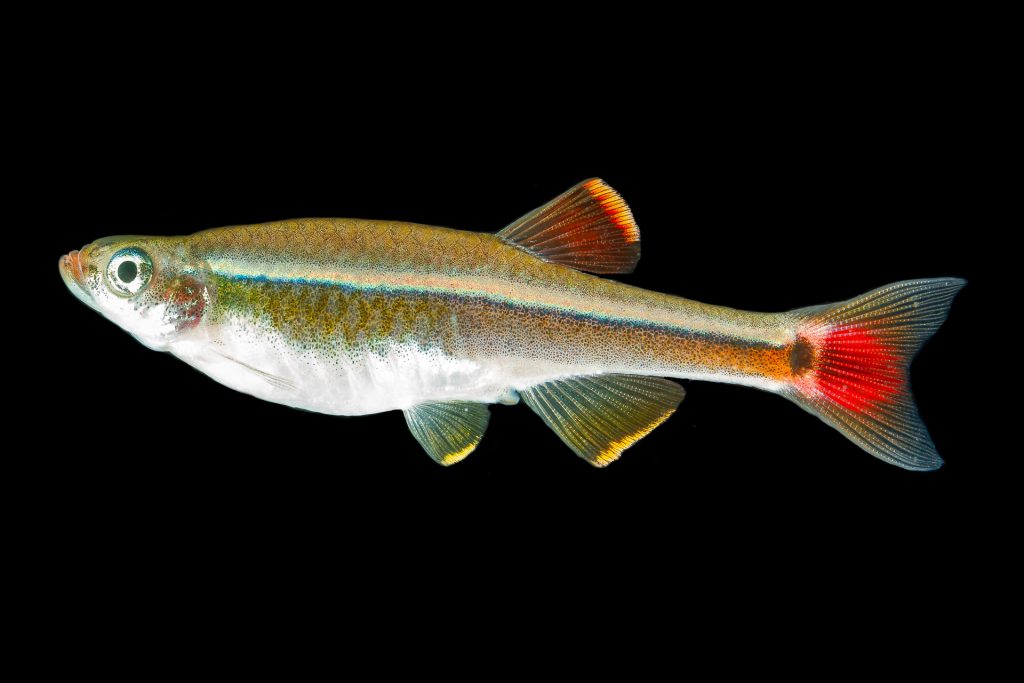
It is crucial to remember that fish are not pets to be “handled” in the traditional sense. Their interaction comes from observation, and by this metric, White Cloud Mountain Minnows are wonderfully engaging.
Personality and Activity Level
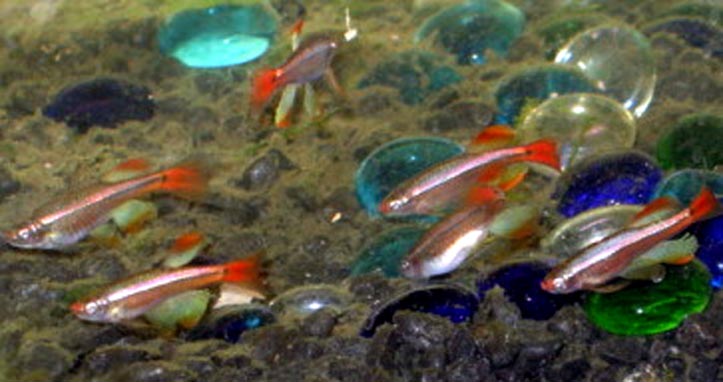
These are active, swift swimmers that display fascinating social behaviors. They are true schooling fish, meaning they feel most secure and display their best colors and behaviors in groups. We strongly recommend a minimum group of six, though larger shoals of ten or more are truly mesmerizing to watch. In a group, you’ll witness a dynamic hierarchy, playful chasing, and the constant, glittering movement of the shoal as it explores the tank.
Community Temperament
White Clouds are profoundly peaceful. They pose no threat to other fish, making them excellent candidates for community tanks with other small, non-aggressive species. They will not nip fins or harass tank mates. However, their small size and peaceful nature mean they should never be housed with large, aggressive, or predatory fish that may see them as food.
Interaction
Their primary form of interaction is through feeding response. They will quickly learn to associate you with meal times and will eagerly swim to the front of the tank. Watching their natural schooling behavior, their males displaying to each other with flared fins, and their overall zest for life provides endless, relaxing entertainment.
Care and Maintenance
The celebrated hardiness of the White Cloud Mountain Minnow makes their care refreshingly straightforward. They are adaptable survivors, but providing an ideal environment ensures they will not just survive, but truly thrive.
Aquarium Setup
- Tank Size: A 54 litre (14 US gallon) aquarium is an ideal starting point for a small school. This provides ample swimming space and stable water chemistry. They can be kept in tanks as small as 30 litres (8 US gallons) with diligent maintenance, but more space is always better for their health and activity levels.
- Scaping: Mimic their native mountain stream habitat. Use a dark substrate to make their colors pop, and include plenty of live or artificial plants (like Java Fern, Anubias, or Hornwort) for cover. Driftwood and smooth rocks create hiding spots and break up sightlines, reducing stress.
- Filtration: A gentle filter is essential for clean, clear, and oxygenated water. While hardy, they do best with consistent water quality. An air-powered sponge filter is an excellent, safe choice that provides both filtration and gas exchange without creating excessive current.
Water Parameters
This is where the White Cloud truly shines for beginners. They are adaptable to a very wide range of conditions.
- Temperature: They are a cool-water fish. An ideal range is 14°C to 22°C (57°F to 72°F). They can survive brief dips as low as 5°C (41°F) and tolerate the low end of tropical temperatures, but prolonged warmth above 24°C (75°F) can stress them and shorten their lifespan. They often do not require a heater in climate-controlled homes.
- pH and Hardness: They are incredibly forgiving. A pH range of 6.5 to 8.5 and soft to moderately hard water (GH 5-20) is perfectly acceptable. Stability is more important than chasing a perfect number.
Feeding
White Cloud Mountain Minnows are omnivorous and enthusiastic eaters, which makes feeding simple.
- Staple Diet: A high-quality small granule or micro-pellet food should form the basis of their diet. We recommend alternating between brands for nutritional variety.
- Variety and Supplements: Their diet should be supplemented with occasional live or frozen foods such as daphnia, baby brine shrimp, or bloodworms. These treats enhance their coloration and encourage natural foraging behaviors.
- Feeding Schedule: A small pinch of food, whatever they can consume within 1-2 minutes, once or twice a day is sufficient. It is critical to avoid overfeeding.
Lighting
Standard aquarium lighting is perfectly adequate. A regular day/night cycle (8-10 hours of light) is beneficial for them and any live plants. Providing some floating plants can help diffuse light and offer additional security.
Health and Durability
The White Cloud Mountain Minnow’s reputation for hardiness is well-earned, but they are not invincible. Their health is directly tied to the stability and quality of their environment.
Common Health Issues
Most health problems are preventable and stem from poor water quality or inappropriate tank mates.
- Stress and Injury: The primary cause of illness. This can result from harassment by aggressive fish, being kept in too small a group, or an overly barren tank with no hiding places. Stress weakens their immune system.
- Water Quality Diseases: Like all fish, they are susceptible to ailments like ich (Ichthyophthirius multifiliis) or fin rot if kept in poorly maintained water. These are often secondary infections following stress.
Preventative Care
- Regular Maintenance: Perform weekly water changes of 20-30% to remove nitrates and pollutants. Use a water conditioner to remove chlorine and chloramines from tap water.
- Quarantine: Always quarantine new fish or plants for at least two weeks before introducing them to your main tank to prevent the introduction of disease.
- Observation: Spend time watching your fish daily. Early signs of illness include lethargy, loss of appetite, rapid gill movement, clamped fins, or visible spots/fluff on the body.
With a stable, clean, and appropriately stocked tank, White Cloud Mountain Minnows are remarkably robust and will provide years of healthy, vibrant life.
Availability and Cost
The White Cloud Mountain Minnow is arguably one of the most accessible fish in the global aquarium hobby.
Where to Buy
- Local Fish Stores: Almost universally available.
- Large Pet Retailers: Commonly stocked in the coldwater or beginner fish sections.
- Aquarium Societies and Breeders: An excellent source for high-quality stock and rarer color variants.
Cost
- Fish Price: Extremely affordable. Standard varieties typically cost between $2 to $5 per fish. Specialized morphs like the “Golden” or long-finned “Meteor” minnow may cost slightly more, usually between $5 to $10 each.
- Setup Cost: A complete starter kit, including tank, filter, substrate, decor, and water conditioner, can be assembled for $100 to $250. Their lack of a heater requirement can reduce initial costs. Ongoing costs for food and electricity are minimal.
Pros and Cons
Pros
- Exceptionally hardy and forgiving of beginner mistakes.
- Peaceful and perfect for community tanks with other small, gentle species.
- Thrives in cooler water, often eliminating the need for a heater.
- Very active and entertaining schooling behavior.
- Extremely affordable to purchase and maintain.
- Available in several beautiful color and finnage variants.
Cons
- Too small and peaceful to be kept with many common aquarium fish (e.g., most cichlids, large barbs, goldfish).
- Their small size makes them vulnerable to predators.
- While hardy, they still require consistent tank maintenance and water quality monitoring.
- Can be overly prolific breeders in a well-planted tank.
Final Thoughts
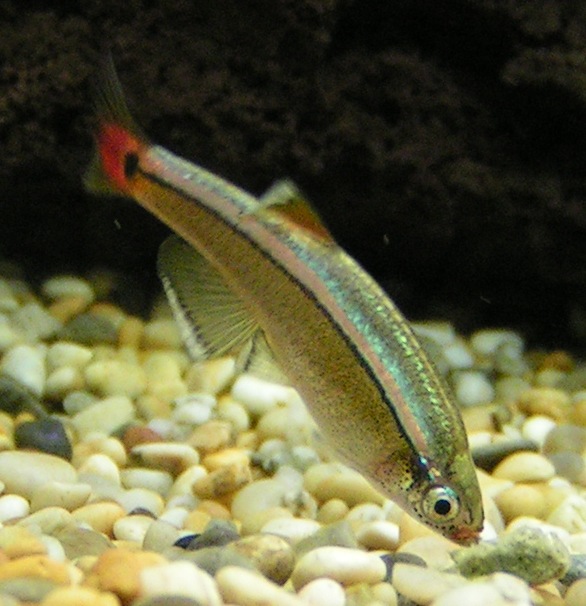
The White Cloud Mountain Minnow stands as a testament to why the aquarium hobby is so rewarding. It offers breathtaking beauty, fascinating behavior, and remarkable resilience in one small, shimmering package. For the beginner, it provides a forgiving and successful entry point. For the seasoned aquarist, it offers the joy of a thriving, naturalistic shoal that can be the glittering centerpiece of a cool-water biotope.
If you are looking for a pet that is low-maintenance, cost-effective, and provides endless hours of tranquil observation, we cannot recommend the White Cloud Mountain Minnow highly enough. Their lively presence and undeniable charm are sure to make them a beloved feature of your home.
Have you kept White Cloud Mountain Minnows? Share your experiences, tank setups, or favorite tank mate combinations in the comments below! We love hearing about how these little clouds bring life to your aquarium.
For more detailed care sheets and aquatic insights, stay tuned to our blog. Happy fish keeping! 🐟

Leave a Reply