
Hi there, pet lovers! 🐠
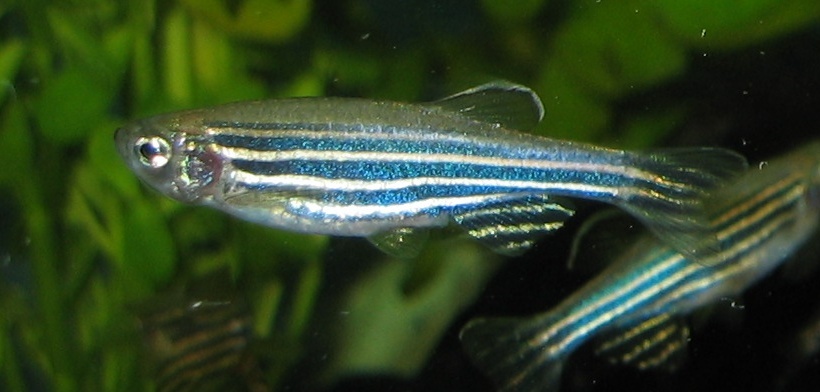
The zebrafish (Danio rerio), with its sleek, lightning-fast body and iconic blue-gold stripes, is more than just a familiar face in pet store aisles. It is a fish of fascinating contrasts: a humble species that has become a titan of modern medical science, and a “beginner” pet that teaches some of the most profound lessons in aquarium ecology.
In this detailed review, we’ll navigate the energetic world of zebrafish care, separating enduring myths from essential truths. We’ll explore their need for speed and space, their social complexities, and how to craft an environment where they don’t just survive, but truly thrive. Whether you’re setting up your first tank or looking to add dynamic movement to an established community, this guide will provide the comprehensive insights you need to succeed with these remarkable little fish.
Overview
Zebrafish are small, streamlined cyprinids native to the streams and rice paddies of South Asia. Renowned for their hardiness and constant motion, they are often recommended for beginners, but they possess specific needs for optimal health and behavior. Here’s a quick summary of their key characteristics:
- Handling and Temperament: Not a hands-on pet; visual enjoyment only. Peaceful but extremely active and can be fin-nippers.
- Care and Maintenance: Low-maintenance in terms of water parameters, but demand specific tank setup and water quality.
- Health and Durability: Genetically very hardy, but mass breeding can lead to weakened stock.
- Availability: Ubiquitously available in almost every pet store and online.
- Cost: Extremely affordable to purchase; setup costs are standard for a freshwater aquarium.
- Overall: An excellent, active schooling fish for appropriately sized community tanks, but their speed and energy require careful tankmate selection.
Why Choose a Zebrafish?
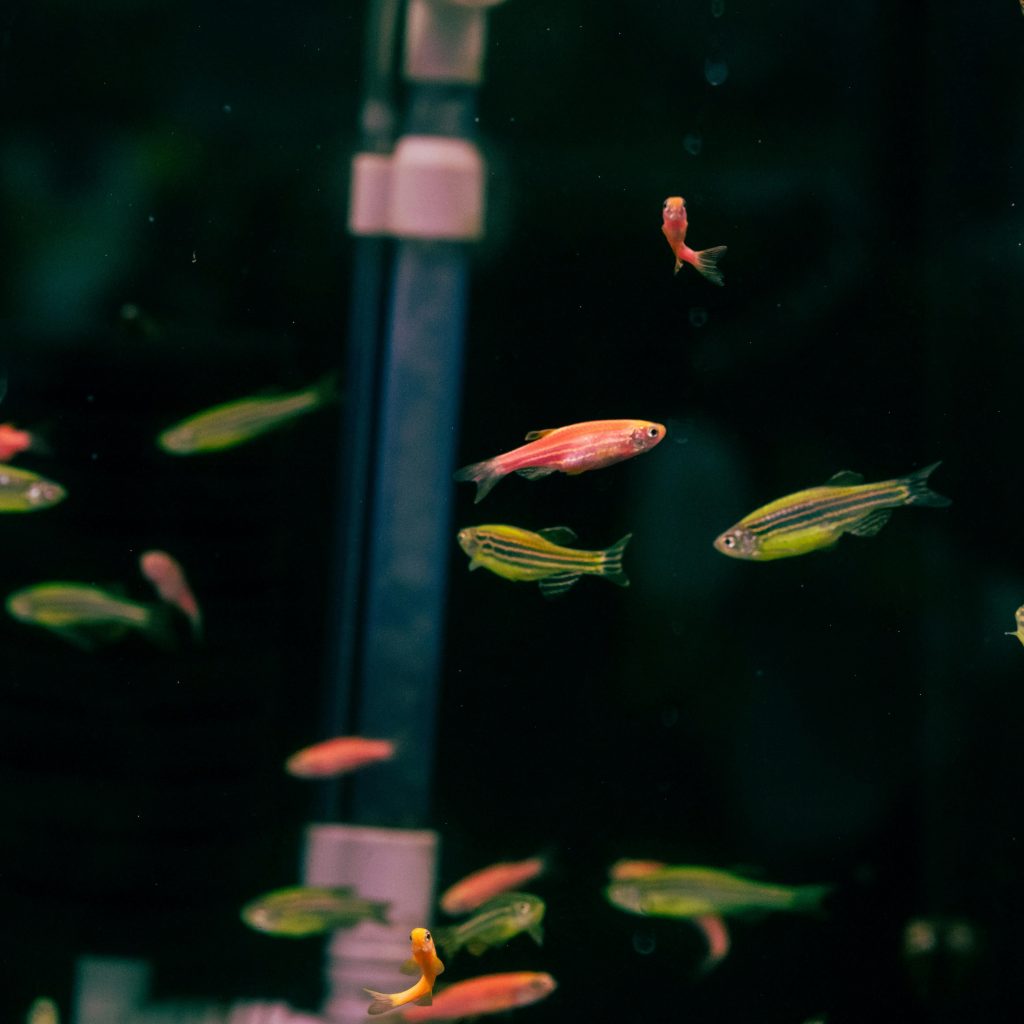
Zebrafish are the epitome of an active aquarium. They bring a tank to life with their dazzling, darting movements and shimmering blue-gold stripes. They are ideal for aquarists who want a lively, low-cost, and visually engaging shoaling fish. Beyond the hobby, they hold monumental importance as a primary model organism in scientific research for genetics, developmental biology, and human disease studies, a testament to their biological resilience. For the home aquarist, they offer a fascinating, long-lived pet (with a lifespan of 3 to 5 years) that thrives in a well-structured environment.
Handling and Temperament
It is crucial to understand that fish are not “handled” like terrestrial pets. Their temperament is observed through their interactions with each other and their environment.
Personality and Activity Level
Zebrafish are not calm, placid fish. They are best described as perpetual motion machines. They are incessantly active, zipping from one end of the tank to another, exploring every nook and cranny. This high energy is a double-edged sword: it’s captivating to watch but can be stressful for slower, more timid tankmates. They are a classic shoaling species, meaning they need to be in a group to feel secure and exhibit natural behaviors. A lone zebrafish will be stressed and skittish.
Social Dynamics and Aggression
Within their own group, zebrafish establish a dynamic hierarchy involving frequent chasing and displays. This is normal and rarely results in injury if two critical conditions are met: a large enough group and sufficient space. We recommend a minimum shoal size of 8-10 fish, with 12-15 being ideal. In smaller groups (like 4-6), aggression can become concentrated, making life miserable for the subordinate fish.
Their main behavioral drawback is a well-documented tendency for fin-nipping. Their quick, inquisitive nature leads them to nip at the long, flowing fins of fish like Bettas, Angelfish, or fancy Guppies. They should never be housed with such species.
Suitability for Children
They are perfect for children to observe but not to interact with directly. Their care teaches responsibility regarding water quality and ecosystem management, but they do not offer physical interaction.
Care and Maintenance
While tolerant of a range of conditions, “hardy” does not mean “neglectable.” Providing an environment that meets their specific needs is key to their longevity and vibrant coloration.
Enclosure Setup
- Tank Size: This is the most common mistake. While a 10-gallon tank is often cited as the minimum, we firmly advocate for a 20-gallon long tank as the starting point for a proper shoal. Their speed and shoaling nature require the horizontal swimming space a “long” tank format provides. A 10-gallon often restricts them and amplifies internal aggression.
- Scaping and Environment: Recreate a flowing stream. Use a dark substrate (sand or fine gravel) to make their colors pop. Provide ample hiding spots and visual breaks with rocks, driftwood, and dense planting (like Java Fern, Anubias, or Hornwort). However, ensure there are plenty of open swimming lanes. They utilize the entire water column.
- Filtration and Flow: They originate from moving waters. A filter that provides moderate flow is appreciated and helps keep them healthy. Ensure all intakes are covered with a sponge to prevent these energetic fish from being drawn in.
Water Parameters
This is where their famous hardiness shines, but stability is paramount.
- Temperature: They are remarkably adaptable, thriving from 70°F to 78°F (21°C to 26°C). They can even survive brief dips lower, making them suitable for rooms without a heater, though we recommend one for stability.
- pH and Hardness: They are not fussy. A pH range of 6.8 to 8.0 and moderate hardness is perfectly acceptable.
- Water Quality: “Hardy” does not mean immune to ammonia and nitrite. Like all fish, they require a fully cycled aquarium with zero ammonia/nitrite and nitrates kept below 40 ppm through regular partial water changes (25-30% weekly is a good standard).
Feeding
Zebrafish are omnivorous and unfussy eaters. A varied diet promotes optimal health and coloration.
- Staple Diet: A high-quality micro-pellet or small flake food should form the basis of their diet.
- Supplementation: Regularly offer live or frozen foods such as brine shrimp, daphnia, or bloodworms as a treat. This mimics their natural diet and encourages natural foraging behaviors.
- Feeding Schedule: Feed a small amount they can consume within 1-2 minutes, once or twice daily. Overfeeding is a common source of water quality issues.
Lighting
Standard aquarium lighting is sufficient. A regular day/night cycle (8-10 hours of light) is beneficial. Their colors are most impressive under full-spectrum lights.
Health and Durability
Zebrafish are inherently robust, but modern aquarium strains face specific challenges.
Common Health Issues
- Genetic Weakness: Due to their massive commercial breeding, some lines may have weakened genetics, leading to susceptibility to common pathogens or physical deformities (like bent spines). This is why sourcing from reputable sellers is critical.
- Ich (White Spot Disease): Like most fish, they can contract Ich, especially if introduced to a tank without proper quarantine or if water quality dips.
- Fungal and Bacterial Infections: These typically only occur in suboptimal, stressful conditions or from untreated injuries.
Preventative Care
The best medicine is prevention. Quarantine all new fish for at least two weeks in a separate tank before introducing them to your main aquarium. Maintain impeccable water quality, provide a balanced diet, and reduce stress by keeping them in a proper-sized shoal. A stressed fish is a sick fish.
With exemplary care, their lifespan of 3-5 years can be reliably achieved.
Availability and Cost
Zebrafish are arguably one of the most accessible fish in the hobby.
Where to Buy
- Local Fish Stores & Large Pet Chains: Almost universally available. Inspect the fish for activity and clear signs of health.
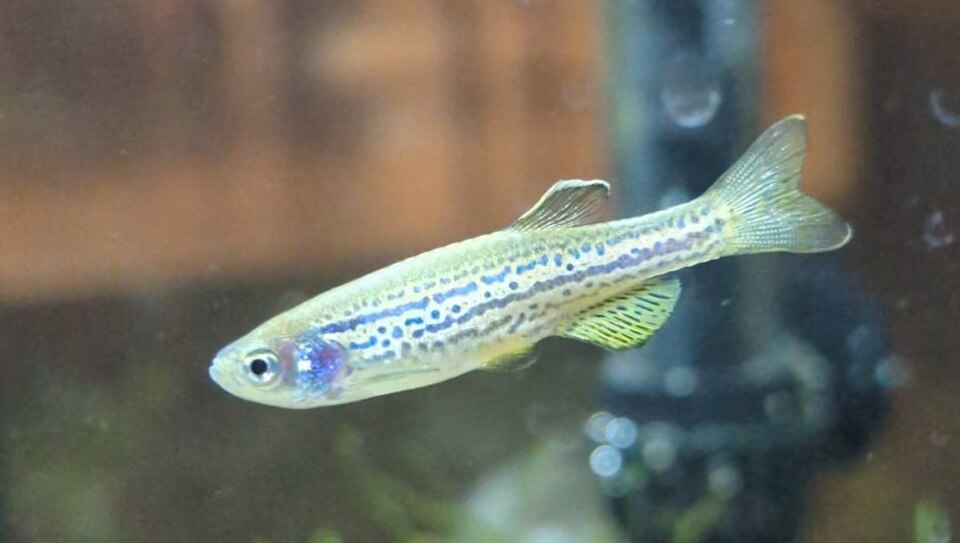
- Reputable Online Breeders: A excellent option for specific varieties (like long-fin, golden, or leopard) and often provide healthier, quarantined stock.
- Aquarium Society Auctions/Expos: A great way to find unique color morphs and speak directly with breeders.
Cost Breakdown
- Fish Price: The standard zebra danio is one of the most affordable fish, typically costing $2 to $5 per fish. Specialty morphs may cost $5 to $15 each.
- Setup Cost: The investment is in the tank, not the fish. A proper setup with a 20-gallon long tank, filter, heater, light, substrate, decorations, and water conditioner will typically range from $200 to $300 initially. This setup can house a beautiful shoal and is reusable for future aquatic projects.
Pros and Cons
Pros
- Incredibly active and engaging to watch.
- Exceptionally hardy and tolerant of a range of water parameters.
- Very inexpensive to purchase.
- Peaceful toward fish of similar size and speed.
- Excellent dither fish to encourage shy species out of hiding.
- Easy to breed in captivity.
Cons
- Can be fin-nippers, restricting compatible tankmate choices.
- Require a larger tank (20-gallon long minimum) than often advertised due to their speed.
- Must be kept in large shoals (8+), which increases bioload.
- Prone to genetic issues if sourced from poor breeding stock.
- Their constant motion can stress slow-moving, placid fish.
Final Thoughts
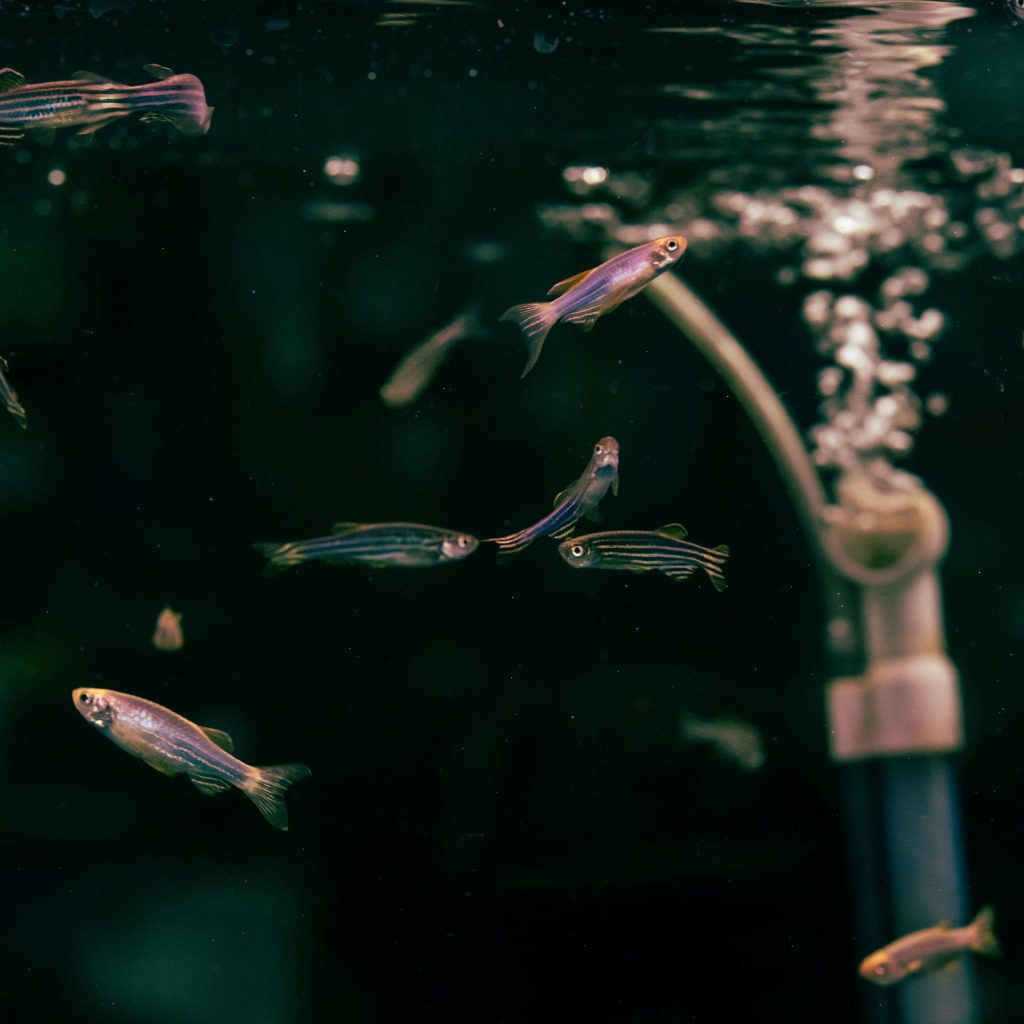
Zebrafish are a quintessential freshwater aquarium species that offer endless dynamism and beauty. While often labeled a “beginner fish,” they truly shine when their needs for space, company, and appropriate tankmates are respected. They are not a low-effort pet but rather a low-complexity one; the effort lies in setting up the right environment, after which they reward you with years of vibrant activity.
For anyone seeking to create a lively, natural-looking community tank centered around a shimmering, schooling display, the zebrafish is an outstanding choice. We highly recommend starting with a generous tank, a large shoal from a reputable source, and careful selection of robust, short-finned tankmates. When given this consideration, they transform from simple fish into the captivating, electric pulse of a living aquatic world.
Have you kept zebrafish? Share your experiences and tank setups in the comments below! We’d love to hear about your shoal and the aquatic community you’ve built around them.
For more detailed aquatic care guides, species spotlights, and aquarium scaping tips, stay tuned to our blog. 🐠

Leave a Reply