
Hi there, pet lovers! 🐟
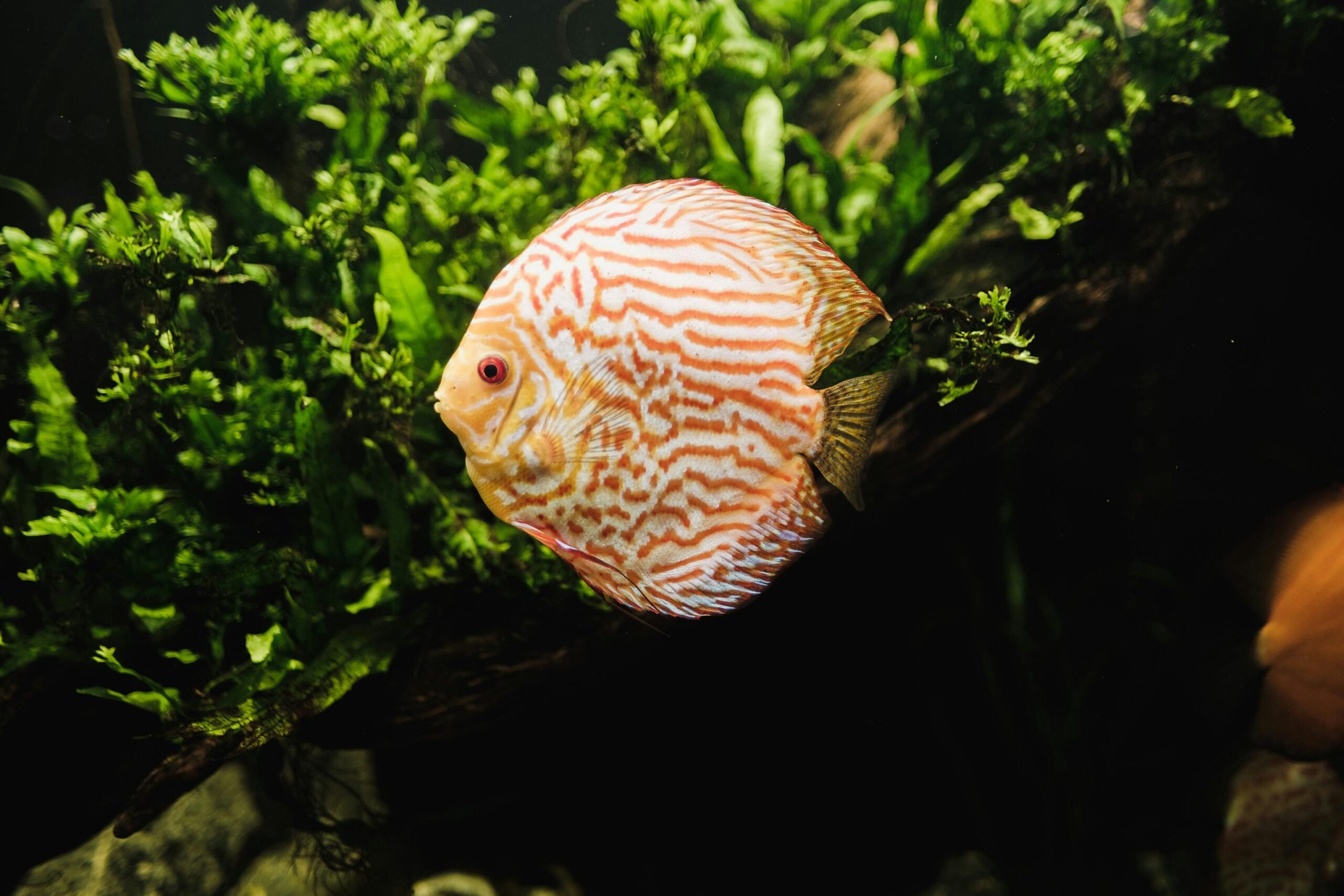
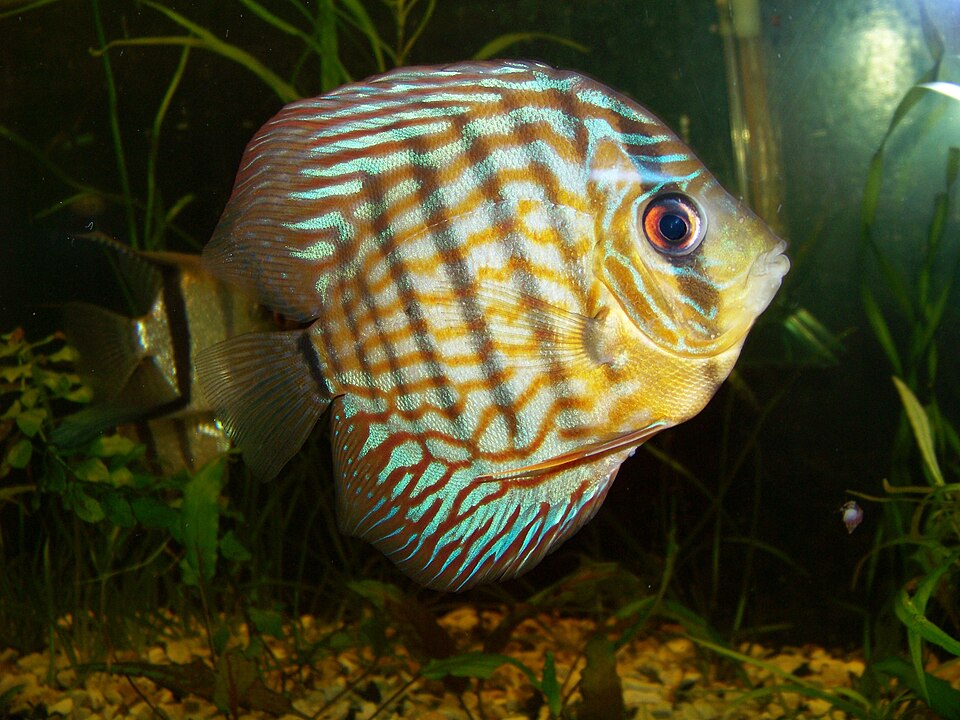
Discus fish (Symphysodon spp.) are widely regarded as the crown jewel of the freshwater aquarium hobby, and it’s easy to see why. With their stunning, plate-shaped bodies, dazzling colors, and surprisingly interactive personalities, discus have captivated hobbyists around the world for decades. They carry a reputation for being challenging to keep — but the truth is, with the right knowledge and preparation, these magnificent fish are far more forgiving than most people think.
In this detailed review, we’ll walk you through everything you need to know about discus fish — from their temperament and tank requirements to feeding, health, and costs. Whether you’re an experienced aquarist looking to take your hobby to the next level or simply curious about what it takes to keep these underwater royals, this guide has you covered.
Overview
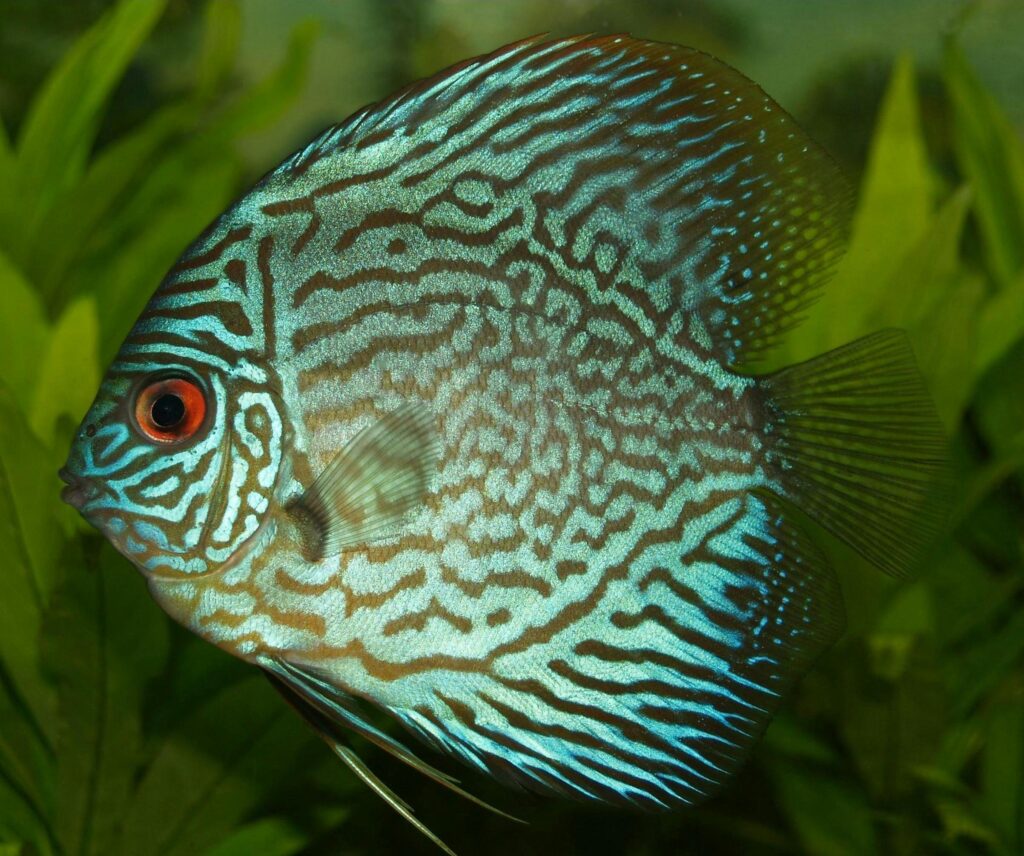
Discus fish are large, majestic cichlids native to the Amazon River basin. They are celebrated for their disc-shaped bodies, vivid coloration, and social, personality-driven behavior. Here’s a quick summary of what makes them stand out:
- Handling and Temperament: Peaceful, shy, and highly social — best kept in groups.
- Care and Maintenance: Demanding but manageable with the right habits and equipment.
- Health and Durability: Hardy when conditions are stable; sensitive to sudden changes.
- Availability: Widely available through breeders, expos, and specialty stores.
- Cost: Higher upfront investment, but deeply rewarding long-term.
- Overall: A spectacular centerpiece fish for dedicated aquarists ready to commit.
Why Choose a Discus Fish?
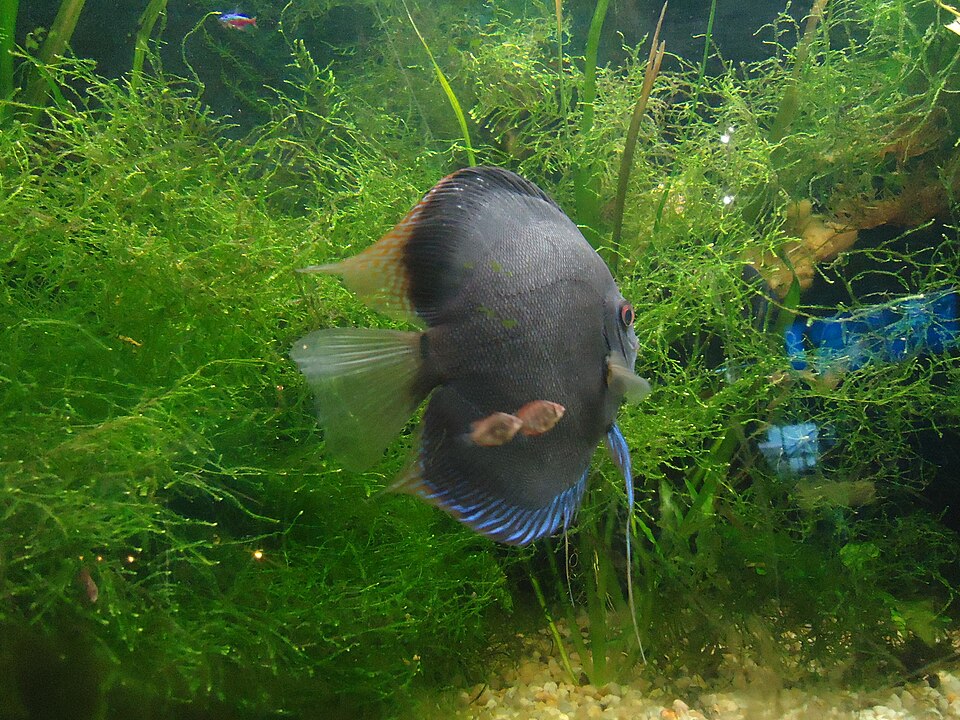
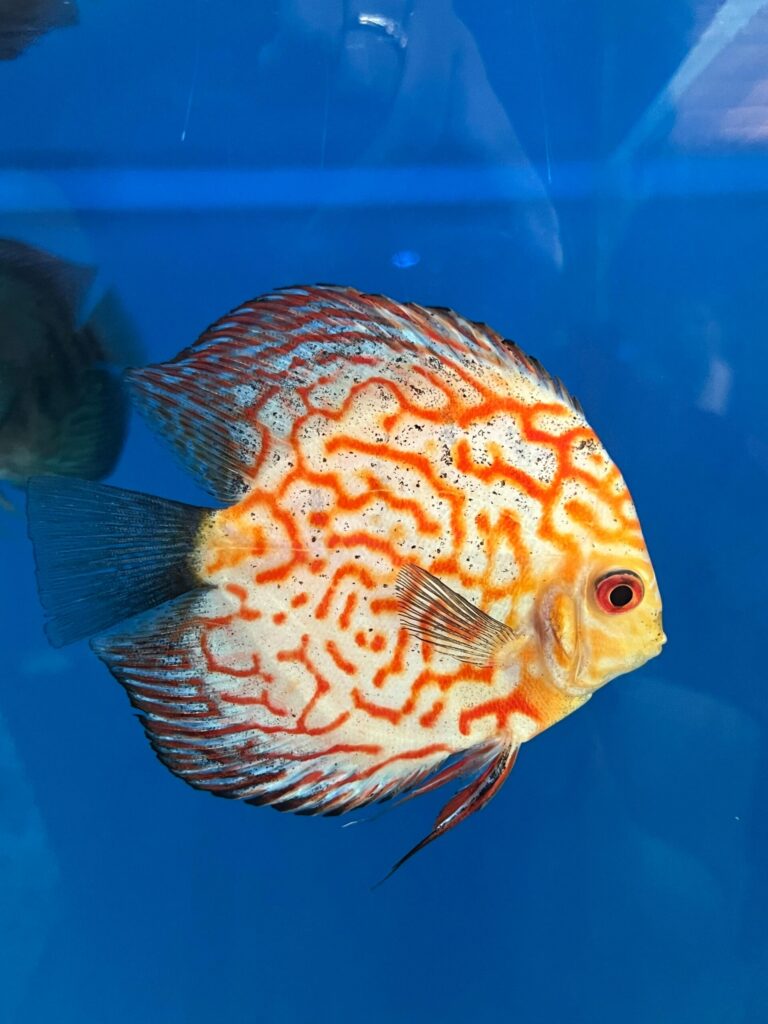
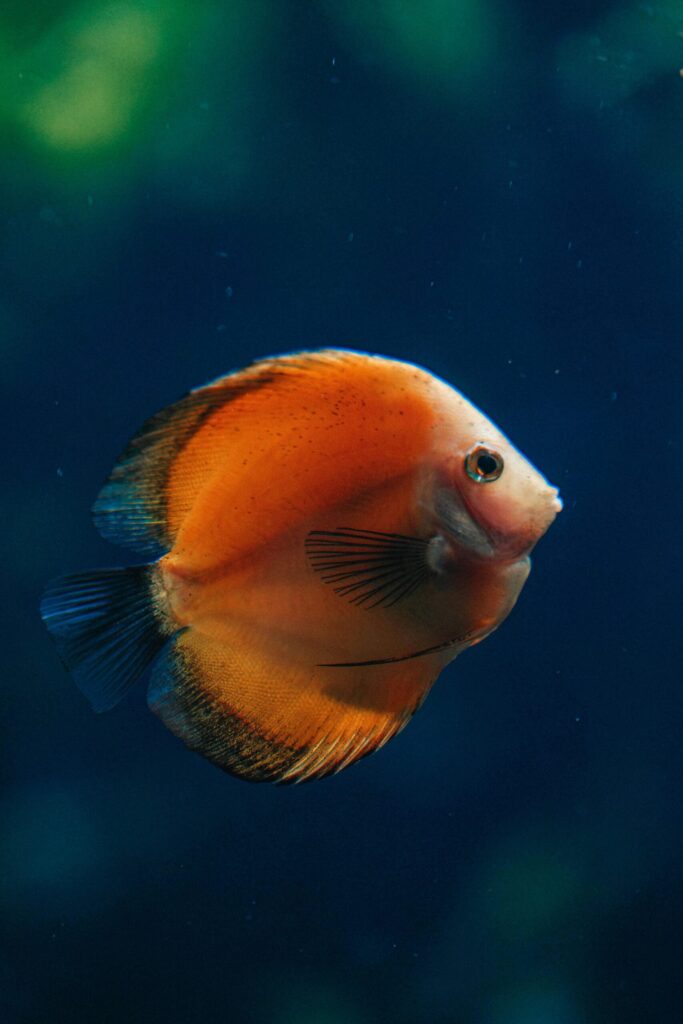
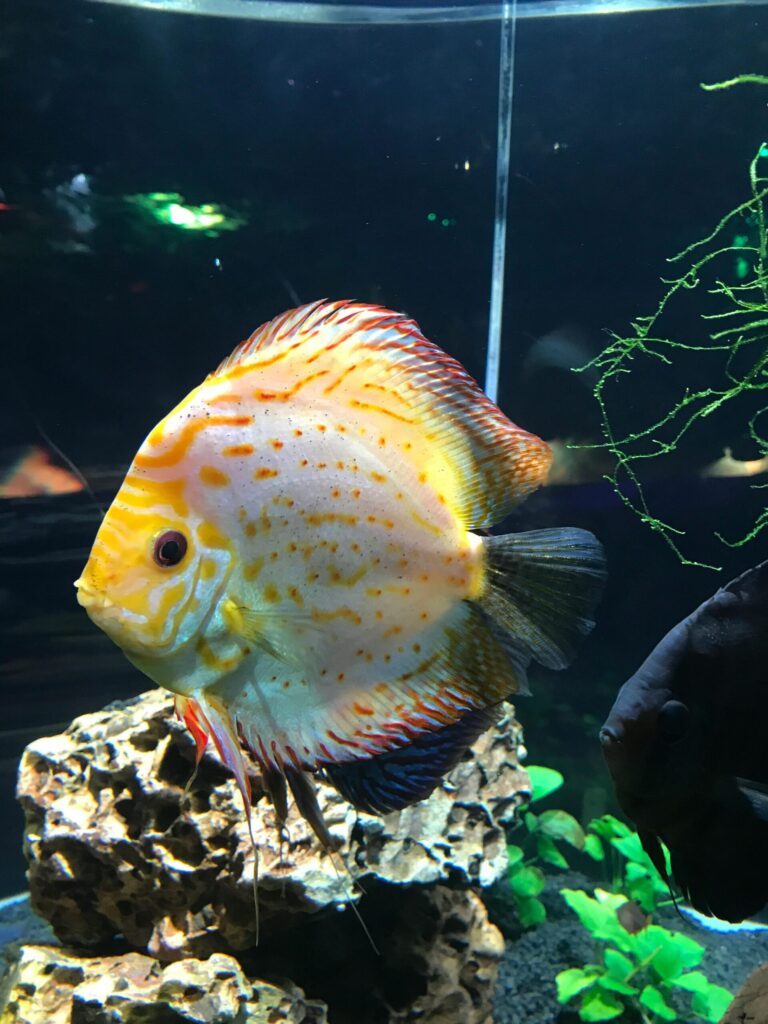
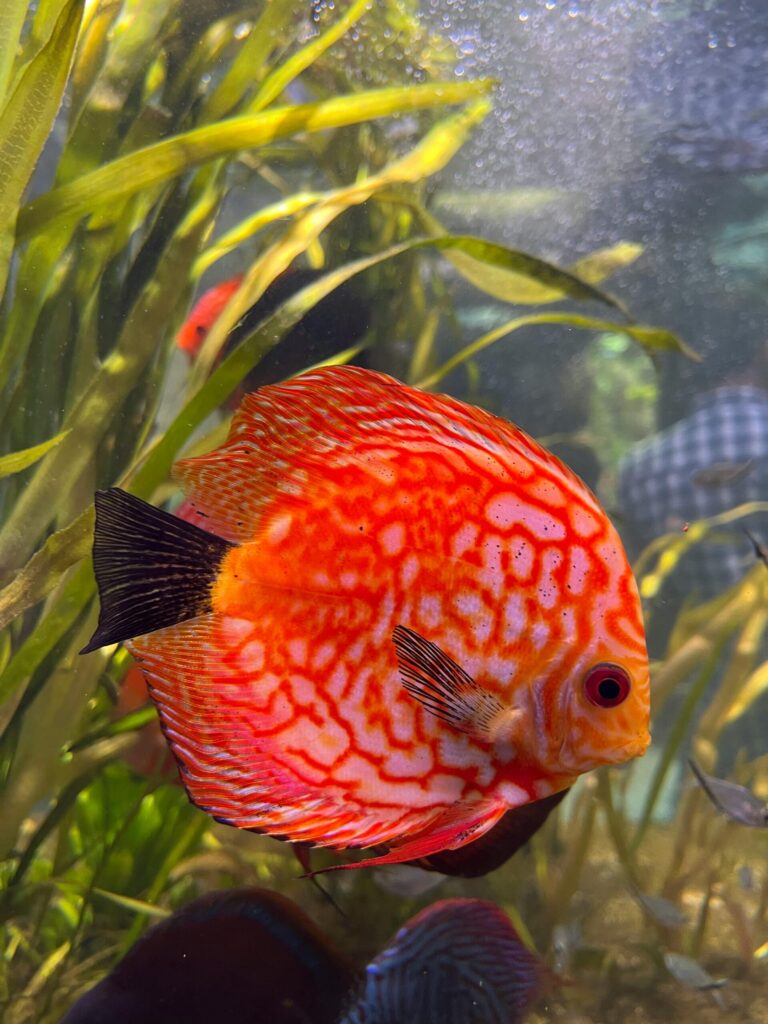
Discus fish are not your average community fish — and that’s exactly the point. Few aquarium inhabitants can match the sheer visual impact of a group of healthy discus gliding through a well-maintained tank. Their round, flat bodies — which can reach 6 to 8 inches in diameter — combined with their brilliant, hand-painted-looking colors make them look like living works of art.
Beyond their looks, discus are surprisingly personable. They recognize their owners, get excited at feeding time, and develop clear social hierarchies within their group. With a lifespan of 10 to 15 years, keeping discus is a genuine long-term relationship. If you’re ready to put in the effort, there are very few fish in the freshwater world that reward you quite like discus do.
Handling and Temperament
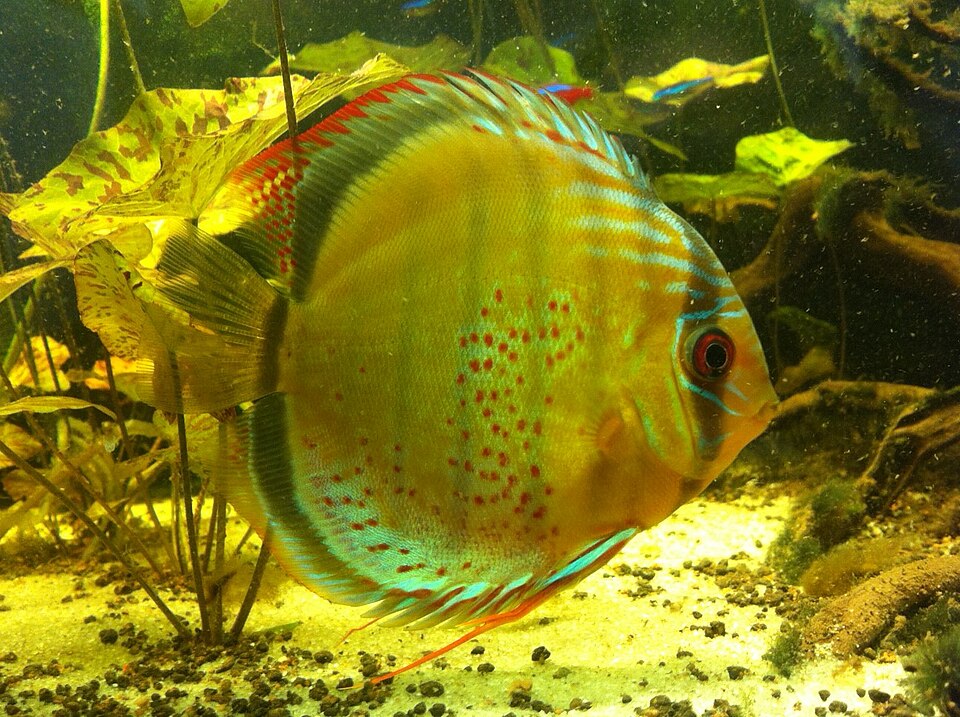
Discus are peaceful, social fish with calm and gentle personalities. They are not aggressive by nature, though like all cichlids, they are territorial and will establish a pecking order within their group.
Social Nature
- Discus are shoaling fish and should always be kept in groups of at least 5 to 6. A lone discus, or a pair in a community of other species, will often become withdrawn and stressed.
- When starting a new tank, many experienced keepers recommend buying 10 to 12 juveniles and allowing natural social dynamics to develop. Over time, you can rehome overly aggressive males and settle into a stable group that is ideally female-heavy with just a couple of males.
- Odd-numbered groups tend to reduce paired-off bullying and distribute any aggression more evenly across the group.
Personality
- Discus are naturally shy, especially when first introduced to a new environment. Give them time to settle in — once comfortable, they will become noticeably more active and bold.
- They are intelligent fish. They recognize familiar faces, react to movement near the tank, and will often swim to the front of the glass when their owner approaches at feeding time.
- Despite their timid reputation, discus are resilient. There are well-documented cases of discus recovering from significant physical stress within just a few days, which speaks to their underlying hardiness as cichlids.
Aggression
- Discus are not aggressive toward humans or other peaceful fish. However, within their own group, dominant individuals will assert themselves — especially during feeding. This is why group size and tank space are so important: spreading the hierarchy across a larger group minimizes the risk of one fish being persistently bullied and starved out.
Care and Maintenance
Discus have a reputation for being difficult, but most of their needs come down to a handful of consistent habits. Get these right, and the rest follows naturally.
Enclosure Setup
- Tank Size: A 75-gallon tank is the widely recommended minimum for a group of 5 to 6 adult discus. A 55-gallon can work, but it leaves very little margin for error and requires more frequent water changes. For 7 to 10 discus, aim for a 110 to 120-gallon tank.
- Tank Height: Discus grow both in width and height due to their disc shape, so taller tanks are preferable to standard low-profile designs.
- Substrate: A fine sand substrate at no more than half an inch deep works well. Many serious keepers opt for a bare bottom tank entirely, which makes cleaning significantly easier and keeps waste from accumulating.
- Décor: Driftwood — especially sandblasted Manzanita — is an excellent choice as it mirrors the discus’s natural Amazon environment. Always boil driftwood for 10 to 15 minutes before adding it to the tank to remove decaying material and excess tannins.
- Hiding Spots: Tall plants, clay pots, and open caves give discus the security they need without cluttering their swimming space.
Temperature and Water Parameters
- Temperature: This is the single most critical factor. Discus thrive at 85 to 86°F (29 to 30°C). This is warmer than most tropical fish prefer, which is why careful thought is needed when selecting tank mates. Warmer water accelerates their metabolism, boosts immune function, and brings out their best coloration. An aquarium heater controller is strongly recommended to ensure consistent, fail-proof temperature management.
- pH: A range of 6.8 to 7.6 works well for most tank-bred discus. Stability is far more important than hitting a specific number — sudden pH swings are far more dangerous than a slightly elevated or lowered reading. Wild-caught discus prefer lower pH levels closer to 6.0 to 6.5.
- Hardness: Soft to moderately hard water is suitable for most discus kept as display fish rather than for breeding. German-bred strains may tolerate harder water.
- Nitrates: Discus are sensitive to nitrate buildup. Always check your source tap water — if nitrates are high coming straight from the tap, an RO (reverse osmosis) unit may be necessary. If using RO water, add a trace element supplement to restore essential minerals.
- Oxygen: Higher temperatures reduce dissolved oxygen levels. Adding an air stone is highly recommended, particularly in larger tanks, to ensure adequate oxygenation without creating excessive current — discus prefer calm water.
Filtration
- A quality canister filter is the standard recommendation for discus tanks. These allow for large amounts of biological media, superior mechanical filtration, and gentle water flow. Avoid hang-on-back filters for larger setups, as they typically cannot provide sufficient filtration for the bio-load discus produce.
- Discus need clean, well-cycled water. Never introduce discus to a new tank — always ensure the aquarium has been running and fully cycled for at least 6 months before adding them.
Water Changes
- Regular water changes are non-negotiable. We recommend 30 to 50% water changes twice per week for most setups. At minimum, a 20 to 30% change once per week is required for lightly stocked tanks following the general rule of one discus per 10 gallons.
- Always match the replacement water temperature as closely as possible to the tank temperature before adding it, as discus are sensitive to sudden thermal changes.
- Dechlorinate all tap water before use, or age it in a holding container for 24 to 48 hours prior to adding it to the tank.
Plants
- Live plants that can tolerate warm water and low-to-medium light are the best choice. Reliable options include Anubias, Java Fern, Bacopa, Vallisneria, and Microswords. Avoid plants that require CO2 injection or high-intensity lighting, as these complicate tank management considerably.
Feeding
Feeding discus is one of the most engaging parts of keeping them — but it does require consistency and variety.
Feeding Frequency
- Feed discus 2 to 3 times per day in small portions. The key is small, frequent meals that mimic the way they feed in the wild — picking at small organisms throughout the day rather than consuming large meals in one go.
- Always remove uneaten food within 5 minutes to prevent ammonia spikes.
What to Feed
- Staple foods: High-quality cichlid pellets and granules are the foundation of a good discus diet. Trusted brands include Sera Discus Granules, Tetra Discus Granules, and Hikari Biogold.
- Frozen foods: Frozen bloodworms and brine shrimp are highly palatable and nutritious. However, be cautious with bloodworms — discus can become addicted to them, and some keepers report a link between exclusive bloodworm feeding and digestive issues. Use them as a supplement, not a staple.
- Beef heart: Many dedicated discus keepers swear by homemade or store-bought beef heart mix as a high-protein food that promotes exceptional growth and coloration. It’s particularly popular among breeders.
- Variety is essential: Relying on a single food type creates a picky fish that may refuse to eat if that food becomes unavailable. Rotate between pellets, frozen foods, and fresh preparations to keep feeding habits broad and flexible.
Health and Durability
Discus are cichlids at heart — and cichlids are fundamentally hardy fish. The vast majority of health issues in discus trace back not to inherent fragility, but to poor water quality, temperature instability, or stress.
Common Health Issues
- Hole in the Head Disease: Often linked to poor water quality and, according to many experienced keepers, a diet heavy in frozen bloodworms. Characterized by small pits developing around the head area.
- Internal Parasites: Symptoms include visible weight loss, pinched-looking heads, and failure to gain weight despite eating. Black or white stringy fecal matter is often a warning sign. Avoid feeding live foods from unverified sources.
- Respiratory Infections: Usually caused by temperature drops or overly humid, poorly ventilated enclosures.
- Bullying and Stress: A single fish being persistently outcompeted at feeding time will lose color, become lethargic, and eventually decline. If this is observed, remove the affected fish to a quarantine tank, feed it individually until recovered, then reintroduce it alongside 2 to 3 new fish to reset the social dynamic.
Preventative Care
- Maintain stable temperature and water parameters consistently.
- Perform regular water changes and avoid overstocking.
- Feed a varied diet and avoid over-reliance on any single food.
- Source discus from reputable breeders who can verify the health history of their stock.
- Never introduce new fish to a display tank without a quarantine period of at least 2 to 4 weeks.
With proper care, discus live 10 to 15 years — a significant commitment that pays off enormously for those who take it seriously.
Availability and Cost
Discus are widely available through multiple channels, though quality varies considerably between sources.
Where to Buy
- Specialist Breeders: The gold standard. Reputable breeders hand-select their stock, can provide detailed health and lineage information, and typically sell fish that are already acclimated to stable conditions.
- Reptile and Aquarium Expos: Excellent for comparing fish side by side and meeting breeders in person.
- Specialty Fish Stores: Quality varies, but a good independent fish store that specializes in discus is a reliable source.
- Big Box Pet Stores: Generally not recommended for discus. Staff knowledge and tank conditions are often inadequate for this species.
Cost
- Fish Price: Standard morphs typically range from $30 to $80 per fish. High-grade, show-quality, or rare strain discus can cost $100 to $300+ per fish, with exceptional specimens fetching even more.
- Tank and Equipment: A proper discus setup — including tank, canister filter, heater, controller, substrate, décor, and testing equipment — typically runs $300 to $600 for a quality 75-gallon build.
- Ongoing Costs: Premium food, water conditioners, and regular water testing supplies are ongoing expenses to factor in.
Beginner Tip: If you’re new to discus, don’t start with the cheapest fish available, but don’t overspend on rare show specimens until you’ve gained experience. Buy a group of 6 to 10 healthy juveniles of similar size all at once — introducing fish of different sizes and ages at different times is one of the most common mistakes new discus keepers make.
Pros and Cons
Pros
- Stunning, unmatched visual impact in any freshwater aquarium.
- Highly intelligent and interactive — they recognize their owners.
- Long lifespan of 10 to 15 years.
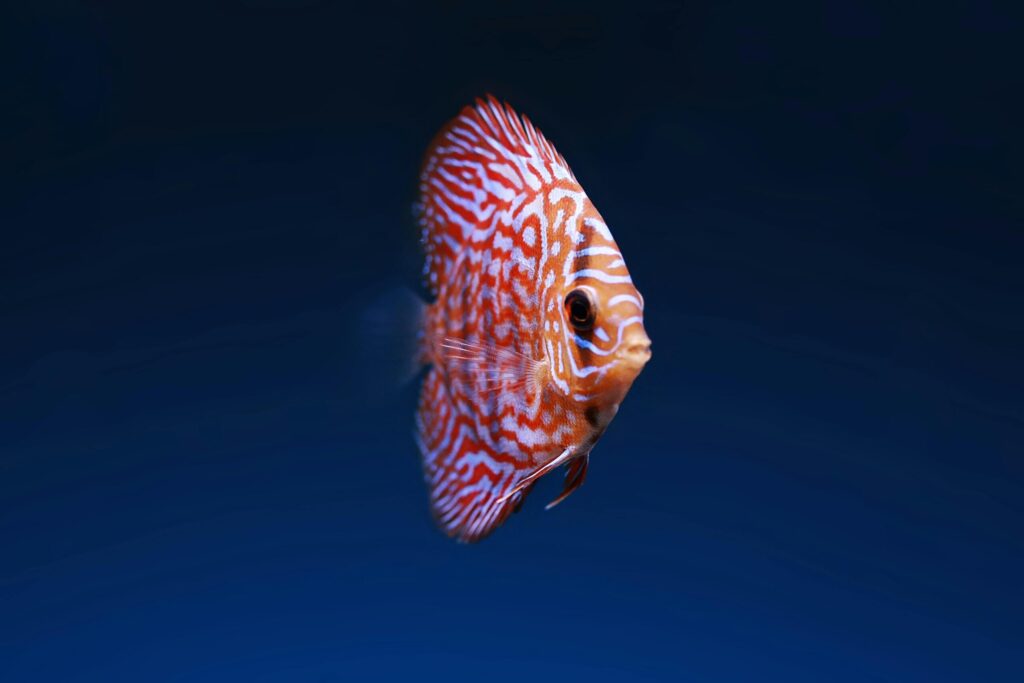
- Wide variety of colors, patterns, and strains available.
- Deeply rewarding for aquarists willing to learn the hobby properly.
Cons
- Require consistent water changes and careful parameter monitoring.
- Need larger tanks — not suitable for small or nano setups.
- More expensive to purchase and set up than average freshwater fish.
- Sensitive to sudden changes in temperature, pH, or water quality.
- Require feeding 2 to 3 times daily — not ideal for frequently traveling owners.
Final Thoughts
Discus fish are, without question, one of the most spectacular freshwater fish available to hobbyists today. Their beauty, personality, and sheer presence in a well-maintained aquarium is something that simply has to be seen in person to be fully appreciated.
Yes, they require more effort than a typical community tank. But much of their difficult reputation comes from hobbyists jumping in without proper research, not from the fish themselves. With stable water, appropriate temperature, a nutritious and varied diet, and a well-sized group in a properly cycled tank, discus are genuinely manageable fish — even for those new to the species, provided they have solid foundational fishkeeping experience.
If you’re considering discus, we strongly recommend visiting a specialist breeder or aquarium expo to see them in person. Pick your group all at once, set your tank up before they arrive, and commit to the maintenance routine from day one. The effort will be worth every bit of it.
Have you kept discus fish before? Drop your experiences, tips, and photos in the comments below — we’d love to hear your story and what makes your discus tank special.
For more fishkeeping guides and in-depth reviews, stay tuned and don’t forget to subscribe to our newsletter! 🐟


Leave a Reply