
Hi there, pet lovers! 🐟
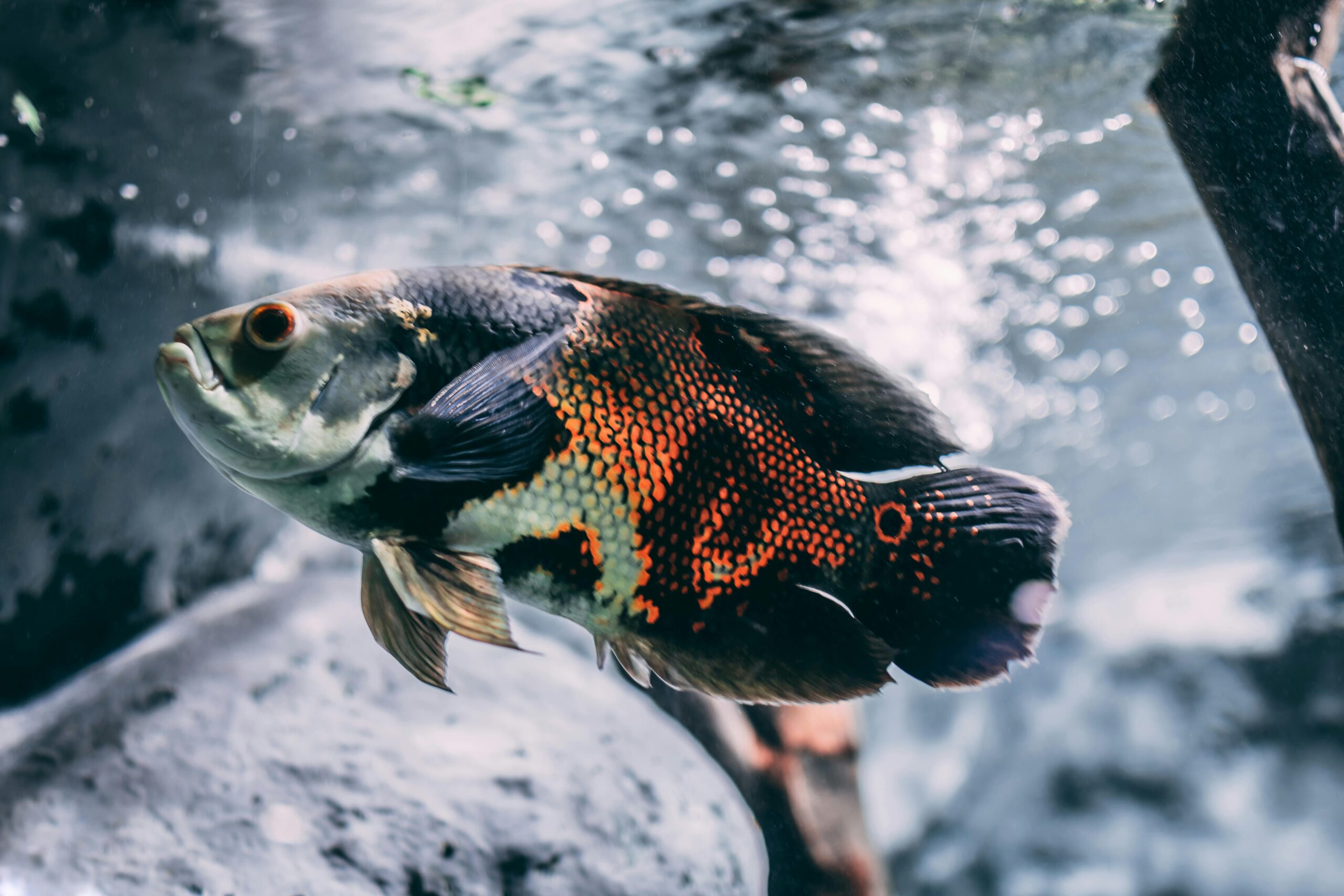
Oscar fish (Astronotus ocellatus) are one of the most beloved and recognizable freshwater fish in the aquarium hobby, and it’s easy to see why. With their bold personalities, striking looks, and almost dog-like behavior, Oscars have captured the hearts of fish keepers around the world — from complete beginners to seasoned aquarists.
In this detailed review, we’ll cover everything you need to know about Oscar fish, from their temperament and care requirements to their costs and availability. Whether you’re seriously considering bringing one home or simply curious about these magnificent creatures, this guide will help you make a fully informed decision.

Overview
Oscar fish are large, intelligent South American cichlids known for their incredible personality and stunning appearance. They are one of the most interactive fish you can keep — often compared to dogs for the way they greet their owners and respond to their environment. Here’s a quick summary of what makes them stand out:
- Handling and Temperament: Highly personable, interactive, and intelligent — but can be semi-aggressive.
- Care and Maintenance: Moderate to high maintenance; requires large tanks, strong filtration, and regular water changes.
- Health and Durability: Hardy and adaptable, but sensitive to poor water quality and high nitrates.
- Availability: Widely available at pet stores, fish farms, and aquarium expos worldwide.
- Cost: Affordable to purchase, but setup costs can be significant due to tank size requirements.
- Overall: A rewarding, long-term companion for dedicated fish keepers who can meet their needs.

Why Choose an Oscar Fish?
Oscar fish are ideal for fish keepers who want something more than just a fish to look at. These animals have genuine personality — they recognize their owners, beg for food, sulk when unhappy, and even learn to eat from your hand. If you’ve ever wanted a pet fish that truly feels like a pet, the Oscar is exactly that.
Their vibrant colors, expressive behavior, and impressive size make them a stunning centerpiece for any large aquarium. With a lifespan of 10 to 15 years (and sometimes up to 20 years under exceptional care), an Oscar is a long-term commitment — one that most dedicated owners say is absolutely worth it.

Handling and Temperament
Oscar fish are widely regarded as one of the most personable fish in the entire aquarium hobby. Many owners affectionately call them “water puppies” or “wet pets” because of just how interactive they are.
Personality Highlights
- Oscars will actively swim to the front of the glass to greet you when you enter the room.
- They can be trained to eat directly from your hand.
- They visibly sulk and become lethargic when unhappy — for example, after a water change or when decorations are rearranged.
- Their color can even shift lighter when they are excited or actively hunting, which is a fascinating behavioral trait.
Aggression and Tank Behavior
- Oscars are generally classified as semi-aggressive. Individual personalities vary — some are completely docile while others can be territorial, especially during spawning.
- The golden rule with Oscars and tank mates is simple: if it fits in their mouth, it will likely become food. Any fish small enough to be eaten eventually will be.
- They are not typically the aggressors in a community tank — in many cases, other large cichlids are more likely to bully the Oscar than the other way around. Many owners describe them as “gentle giants.”
Interaction Tips
- Spend time in front of the tank regularly — Oscars learn to recognize faces and associate your presence with feeding time.
- Use tongs or your hand to offer food, as this builds trust and strengthens the bond between fish and owner.
- Avoid sudden changes to the tank environment, as Oscars are emotionally sensitive and can show visible signs of stress.

Care and Maintenance
Oscar fish are not the most demanding fish in the world, but they do require a serious level of commitment — particularly when it comes to tank size and water quality. Getting these two things right is the foundation of successful Oscar keeping.
Enclosure Setup
Tank size is arguably the most important factor in Oscar care, and it’s also the most commonly misunderstood one.
- Minimum tank size: 55 gallons for a single adult Oscar, though 75 gallons is strongly recommended.
- Ideal tank size: 125 gallons or more, especially for pairs or community tanks.
- Multiple Oscars: Add at least 20 to 50 gallons per additional Oscar.
- Oscars can grow up to 12–18 inches in length and can reach that size within their first 1–2 years, growing as fast as 1 inch per month under ideal conditions. A small juvenile bought at 2–3 inches can be over a foot long by the end of year one — plan for this from day one.
- Keep tank decor minimal. Large, heavy pieces of driftwood or smooth rocks work best. Avoid small or delicate decorations — Oscars will rearrange or destroy them without hesitation.
- Oscars will uproot plants, so if you want live plants, choose hardy species and weigh down their roots with rocks.
Water Parameters
Maintaining stable water conditions is essential for Oscar health.
- Temperature: 74–80°F (23–27°C) — a reliable aquarium heater is necessary.
- pH: 6.0–8.0, though 6.5–7.5 is the sweet spot. Oscars are adaptable, but consistency matters far more than hitting a perfect number.
- Ammonia and Nitrite: Must remain at 0 ppm at all times.
- Nitrates: Keep as low as possible. Chronically high nitrates are directly linked to Hole-in-the-Head disease, a common and disfiguring illness in Oscars.
- Mist or water changes should be performed regularly — at least weekly — due to the large volume of waste these fish produce.
Filtration
Because Oscars are large, heavy eaters, they produce an enormous amount of waste. Filtration is non-negotiable.
- Use a powerful canister filter rated for at least twice the volume of your tank. For example, a 75-gallon tank should ideally have a filter rated for 150 gallons or more.
- Sponge filters and moving bed filters can supplement mechanical filtration.
- Regular filter maintenance — cleaning and media replacement — is essential to prevent ammonia spikes.
Feeding
Oscars are omnivores, though their diet leans heavily toward animal protein. In the wild, they consume insects, crustaceans, small fish, and occasionally plant matter.
- Staple food: A high-quality cichlid pellet should form the backbone of their diet.
- Supplemental foods: Frozen or freeze-dried bloodworms, krill, shrimp, and brine shrimp are excellent additions.
- Occasional treats: Fresh or thawed scallop, peas, and blanched spinach can be offered from time to time.
- Avoid: Feeder fish (high disease transmission risk and potential for injury), and land-based proteins like beef or chicken, which are difficult for Oscars to digest properly.
- Feed once or twice daily, only what they can consume within a few minutes, and remove any uneaten food promptly to maintain water quality.

Health and Durability
One of the Oscar’s most appreciated qualities is its hardiness. These are tough fish that can tolerate a reasonably wide range of water parameters, making them forgiving of occasional beginner mistakes. That said, they are not invincible.
Common Health Issues
- Hole-in-the-Head Disease: Small pits or lesions appear on the head and along the lateral line. This is most commonly caused by chronically elevated nitrates and poor water quality. It is treatable if caught early.
- Ich (White Spot Disease): A common parasitic infection that appears as tiny white dots on the body. Usually caused by sudden temperature drops or introducing unquarantined fish.
- Respiratory Infections: Caused by poor water conditions or inadequate oxygenation.
- Physical Injuries: Oscars can scratch or injure themselves on sharp decorations or during aggressive encounters. Wounds should be monitored closely, and a water change should be performed immediately to prevent infection.
Preventative Care
- Always quarantine new tank mates before introducing them.
- Stay on top of weekly water changes — even 25–30% per week makes a significant difference.
- Provide a balanced, varied diet and avoid overfeeding.
- Keep sharp or rough decorations out of the tank.
With proper care, Oscar fish can live 10 to 20 years — a remarkable lifespan that speaks to just how resilient they are when their needs are properly met.

Availability and Cost
Oscar fish are one of the most readily available freshwater fish in the hobby, found in pet stores, aquarium expos, and fish farms across the world.
Where to Buy
- Fish Farms: The best option for healthy, well-raised specimens. Fish farm animals are raised in proper conditions with far less stress than those transported through long retail chains.
- Local Fish Stores (LFS): Widely available, though quality can vary. Ask about sourcing and quarantine practices.
- Reptile and Aquarium Expos: A great place to meet knowledgeable vendors and choose from a wider variety of morphs.
- Big Box Pet Stores: Convenient but less ideal — fish here may have experienced more stress and handling.
Cost
- Fish Price: Standard Tiger Oscars typically cost $6 to $20 depending on size and where you purchase. Rarer color variants like Lemon Oscars can be harder to find and may cost more.
- Tank Setup Cost: This is where Oscar keeping becomes a meaningful investment. A proper 75-gallon setup with a quality canister filter, heater, substrate, and decor can run anywhere from $300 to $600 or more. Larger tanks of 125 gallons and above will cost significantly more.
- Ongoing Costs: High-quality cichlid pellets, frozen foods, filter media, and electricity for the heater and filter should all be factored into the long-term budget.

Pros and Cons
Pros
- Exceptional personality — one of the most interactive fish available.
- Recognizes owners and can be hand-fed.
- Hardy and adaptable to a range of water parameters.
- Stunning appearance with a variety of color morphs.
- Long lifespan — a true long-term companion.
- Widely available and relatively affordable to purchase.
Cons
- Requires a very large tank — not suitable for small spaces.
- Produces a significant amount of waste, demanding strong filtration and frequent water changes.
- Will destroy plants and rearrange decorations.
- Semi-aggressive — limited compatible tank mates.
- Can be susceptible to Hole-in-the-Head disease if water quality lapses.
- Long lifespan means a long-term commitment of up to 20 years.

Final Thoughts
Oscar fish are an absolutely extraordinary choice for fish keepers who are ready to invest the time, space, and effort these animals deserve. Their personalities are unmatched in the freshwater world — watching an Oscar greet you at the glass, beg for food, or respond to your presence is an experience that never gets old. They are, in every sense of the word, a pet.
That said, we want to be honest: Oscars are not the right fish for everyone. They need large tanks, powerful filtration, consistent water quality, and a dedicated owner who understands the commitment involved. Many Oscars are mistreated simply because their owners underestimated how big and fast they grow.
If you are ready to provide the right environment, we cannot recommend Oscar fish highly enough. Visit a reputable fish store or fish farm, watch them interact, and we are confident you will fall in love immediately.
Have you owned an Oscar fish? We would love to hear your stories, tips, and experiences in the comments below — especially any creative names you’ve given your wet pet! 🐟
For more fish care guides and aquarium tips, stay tuned to our blog and don’t forget to subscribe to our newsletter!


Leave a Reply