
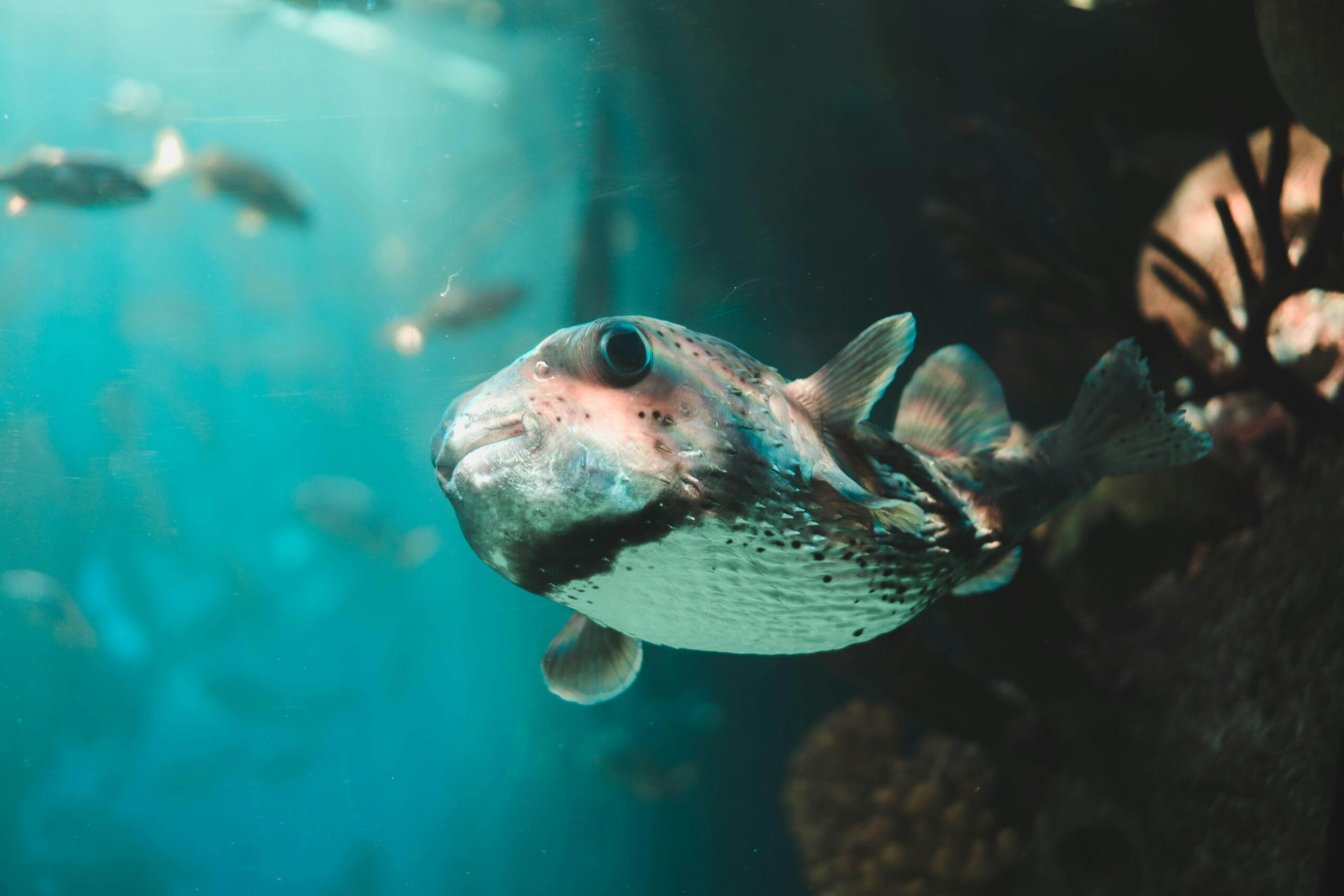
Hi there, pet lovers! 🐡
Puffer fish are among the most fascinating and personality-packed creatures you can keep in an aquarium. With their expressive eyes, curious nature, and ability to literally puff up like a balloon, it’s no wonder they’ve captured the hearts of fish keepers worldwide. Whether you’re drawn to the tiny and adorable Dwarf Pea Puffer, the striking Green Spotted Puffer, or the charismatic Porcupine Puffer, there is a puffer fish out there for almost every type of hobbyist. That said, these fish come with specific needs that every potential owner should understand before diving in.
In this detailed review, we’ll walk you through everything you need to know — from their personality and tank requirements to feeding habits, health concerns, and costs. Whether you’re a first-time fish keeper or a seasoned aquarist looking for your next challenge, this guide will help you make a confident and informed decision.

Overview
Puffer fish are intelligent, interactive fish found across freshwater, brackish, and marine environments depending on the species. They are known for their unique rounded bodies, beak-like teeth, and remarkable ability to inflate when threatened. Here’s a quick summary of what makes them stand out:
- Handling and Temperament: Highly interactive and personable, but can be aggressive toward tank mates.
- Care and Maintenance: Moderate to high maintenance depending on the species; require specific water parameters and diet.
- Health and Durability: Sensitive to water quality and prone to specific health issues like bloat and internal parasites.
- Availability: Widely available at local fish stores, specialty aquarium shops, and online breeders.
- Cost: Affordable entry price, but setup costs can vary significantly by species.
- Overall: A rewarding and endlessly entertaining pet for dedicated fish keepers.

Why Choose a Puffer Fish?
Puffer fish are truly in a category of their own. Unlike most aquarium fish that dart away the moment you approach the glass, puffer fish will swim right up to greet you. Many owners describe the experience as owning a dog in aquarium form — these fish recognize their owners, learn feeding routines, and some can even be trained to eat directly from your hand. When guests visit, the puffer fish is almost always the first fish that draws attention and sparks conversation.
Beyond their personality, puffer fish come in a wide range of sizes and species, making them accessible to aquarists with different tank sizes and experience levels. The Dwarf Pea Puffer can thrive in a tank as small as 5 gallons, while the Porcupine Puffer will eventually need an aquarium of at least 200 gallons as it grows up to 12 inches in length. No matter where you are in your fish-keeping journey, there is likely a puffer fish suited to your setup.

Handling and Temperament
Puffer fish are widely regarded as some of the most intelligent fish in the aquarium hobby. They have large, expressive eyes with near 360-degree vision — some species can even rotate their eyes independently, similar to a chameleon. This exceptional eyesight allows them to observe everything happening around their tank with remarkable awareness.
Personality and Interaction
- Puffer fish are highly inquisitive and will actively watch and respond to their owners.
- Many individuals learn to recognize the person who feeds them and will behave differently around strangers.
- Some puffer fish can be trained to eat from their owner’s hand, making them incredibly rewarding pets.
- They are often described as curious, bold, and full of character — no two puffer fish have exactly the same personality.
Aggression Toward Tank Mates
- Puffer fish are generally aggressive, and this is one of the most important things to understand before purchasing one.
- Most species are best kept in a species-only tank or with carefully selected, fast-moving, hardy companions.
- The Dwarf Pea Puffer can coexist with fast-moving fish like rasboras and tetras, but should never be kept with long-finned fish.
- The Green Spotted Puffer can live alongside large, robust brackish species such as mollies, monos, and scats, but tank mate selection requires careful thought.
- The Porcupine Puffer, even when not actively aggressive, can cause other fish to hide due to its dominant presence in the tank.
Puffing Up
One of the most iconic behaviors of puffer fish is their ability to inflate their bodies with water or air when threatened or stressed. While fascinating to witness, puffing up is a stress response and should not be deliberately triggered. If kept in a healthy, stable environment, most puffer fish will rarely need to puff up at all.

Care and Maintenance
Puffer fish require more attention and care than the average aquarium fish, but the effort is absolutely worth it for the right owner. The specific requirements vary depending on the species, so we will cover the key needs across the most commonly kept types.
Enclosure Setup
Tank size is one of the most critical factors in keeping puffer fish successfully.
- Dwarf Pea Puffer: A minimum of 5 gallons for one fish, with roughly 3 additional gallons per extra puffer. A 10-gallon tank can house a small group of three.
- Green Spotted Puffer: A minimum of 30 gallons for one fish, with a 55-gallon tank recommended for up to four individuals.
- Porcupine Puffer: A minimum of 200 gallons is recommended long-term, as these fish can grow to 12 inches and grow exceptionally fast — reaching 7 inches within just 18 months.
All puffer fish benefit from a well-decorated tank with plants, driftwood, rocks, and hiding spots to keep them mentally stimulated. However, too many defined hiding places can encourage territorial behavior, especially in Dwarf Pea Puffers. A good balance is a lush planted background with an open swimming area in the front.
Water Type and Parameters
Water requirements differ significantly across species, and getting this right is essential.
- Dwarf Pea Puffer: 100% freshwater. pH of 6.0–8.0, temperature between 74–82°F, GH of 4–6, KH of 2–3.
- Green Spotted Puffer: Requires brackish water — a mixture of fresh and saltwater with a specific gravity between 1.004 and 1.022. Temperature between 75–82°F, pH between 7.5–8.5. Adults may eventually require full marine saltwater conditions.
- Porcupine Puffer: Full marine saltwater environment with a specific gravity of 1.020–1.025, temperature between 72–78°F.
A reliable heater is essential for all species, as none of these fish can tolerate cold temperatures. A refractometer is necessary for brackish and saltwater setups to accurately measure salinity levels.
Filtration
Puffer fish are notoriously messy eaters, and their waste output is significant. Strong, reliable filtration is a must.
- For Green Spotted Puffers, running multiple hang-on-back filters simultaneously is recommended — you truly cannot over-filter a puffer tank.
- For marine setups housing Porcupine Puffers, a high-quality protein skimmer is highly recommended to manage the increased bio-load.
- Regular 50% water changes are important to keep nitrate and phosphate levels in check.
Humidity and Lighting
Unlike reptiles, puffer fish do not require specialized lighting beyond a standard aquarium light. For planted tanks, a light that supports plant growth will help maintain water quality and provide a more natural environment for the fish.

Feeding
Feeding is one of the most involved — and most enjoyable — aspects of keeping puffer fish. These are dedicated carnivores with specific dietary needs that cannot be met by standard flake or pellet foods.
What to Feed
- Frozen foods: Bloodworms, brine shrimp, mysis shrimp, krill, and daphnia are all excellent options.
- Live foods: Live daphnia, live bloodworms, live black worms, and live brine shrimp are highly stimulating for puffer fish and encourage natural hunting behavior.
- Shelled foods: Snails, small crabs, clams, and shrimp with shells are critical for species like the Green Spotted and Porcupine Puffer, as their beak-like teeth grow continuously and must be worn down through hard foods. Failure to provide these can result in overgrown teeth, making it impossible for the fish to eat.
- Dwarf Pea Puffer exception: Their teeth grow much more slowly than other species, so while snails are beneficial, hard-shelled foods are not as critical for this species.
Feeding Tips
- Always vary the diet to prevent nutritional deficiencies. Feeding exclusively one food type — such as krill — can lead to serious health problems including lockjaw, a condition where the fish‘s jaw locks shut and it can no longer feed.
- Feed puffer fish once or twice daily, offering only what they can consume to avoid water quality issues.
- Daphnia is particularly valuable as it is high in fiber and helps prevent bloat, one of the most common and dangerous health issues in puffer fish.
- Most puffer fish will not accept dry pellets or flake food, so owners must be prepared to source and store frozen or live foods consistently.

Health and Durability
Puffer fish are sensitive animals, and their health is closely tied to water quality and diet. Being aware of the most common health issues will help you act quickly if something goes wrong.
Common Health Issues
- Bloat: One of the most serious conditions in puffer fish, particularly Dwarf Pea Puffers. Caused by overfeeding protein-rich foods without sufficient fiber. Feeding live or frozen daphnia regularly is the best prevention.
- Internal Parasites: Very common in wild-caught puffer fish. Symptoms include sunken bellies, lethargy, and loss of appetite. Treatment with paraclean or veterinary-grade dewormers is recommended. Most wild-caught puffer fish should be treated upon arrival.
- Ich and Marine Velvet: Puffer fish, particularly Porcupine Puffers, are among the most susceptible fish in the hobby to these parasites due to their scaleless or thin-skinned bodies.
- Lymphocystis: A viral condition that presents as white spots on the fins. Generally not life-threatening and often resolves on its own, but can be treated with medicated food additives.
- Lockjaw: Caused by a diet exclusively consisting of soft foods like krill. The jaw gradually stiffens until the fish can no longer open its mouth. Prevention through diet variety is the only reliable solution, as this condition is extremely difficult to reverse once it develops.
- Respiratory Infections: More common in brackish and marine setups with poor water circulation or inconsistent salinity.
Preventative Care
- Test water parameters at least once a week and perform regular water changes.
- Quarantine all new fish for a minimum of two weeks before introducing them to an established tank.
- Deworm wild-caught puffer fish upon arrival using appropriate treatments.
- Maintain a varied, nutritionally complete diet at all times.
With excellent care, Dwarf Pea Puffers can live 3–5 years, with some individuals reaching over 10 years. Green Spotted Puffers have similar lifespans in proper brackish or marine conditions, and Porcupine Puffers can thrive for many years in a large, well-maintained marine setup.

Availability and Cost
Puffer fish are available through a variety of sources, though the ease of finding healthy specimens depends on the species.
Where to Buy
- Local Fish Stores (LFS): The most accessible option for common species like Dwarf Pea Puffers and Green Spotted Puffers. Always inspect fish carefully — look for full, rounded bellies, clear eyes, and active behavior before purchasing.
- Online Breeders and Aquarium Retailers: A reliable option for sourcing healthy, quarantined fish. Reputable sellers will hold fish for two weeks to several months before selling to ensure they are eating and parasite-free.
- Reptile and Aquarium Expos: A good opportunity to speak directly with knowledgeable breeders and see a variety of species in person.
- Box stores: Generally not recommended for puffer fish due to inconsistent care and limited species availability.
Cost
- Dwarf Pea Puffer: Typically $3–$15 per fish depending on the source and health status.
- Green Spotted Puffer: Usually $5–$20 per fish.
- Porcupine Puffer: Generally $20–$60 per fish depending on size.
- Basic Setup Cost: A freshwater Dwarf Pea Puffer setup can start at around $50–$100. A brackish Green Spotted Puffer setup typically runs $150–$300. A full marine Porcupine Puffer setup can cost $500 or more, with ongoing expenses for salt, equipment, and a larger tank upgrade as the fish grows.

Pros and Cons
Pros
- Exceptionally intelligent and personable — truly interactive pets.
- Wide variety of species suitable for different tank sizes and experience levels.
- Fascinating behaviors including hunting, exploring, and recognizing their owners.
- Available in freshwater, brackish, and marine options.
- Visually stunning with unique shapes and color patterns.
Cons
- Aggressive toward most tank mates — often require species-only setups.
- Will not accept standard flake or pellet foods — require frozen or live food consistently.
- Sensitive to water quality and diet; prone to bloat, parasites, and lockjaw.
- Some species require brackish or saltwater setups, which adds complexity and cost.
- Fast-growing species like the Porcupine Puffer will quickly outgrow smaller tanks.

Final Thoughts
Puffer fish are extraordinary animals that offer a level of personality and interaction rarely found in the aquarium hobby. They are curious, intelligent, visually captivating, and genuinely seem to enjoy the presence of their owners. For the right person — someone who is committed to their diet, water quality, and long-term care — a puffer fish will be one of the most rewarding pets they have ever kept.
That said, puffer fish are not beginner fish in the traditional sense. They demand attention, consistency, and a willingness to learn about their specific needs. Choosing the right species for your experience level and tank size is the single most important decision you will make.
If you are considering a puffer fish, we highly recommend visiting a reputable local fish store or breeder, observing the fish in person, and asking questions about how they have been kept and fed. A healthy, well-cared-for puffer fish is truly a gem in any aquarium.
Have you kept a puffer fish? We would love to hear about your experience in the comments below — share your tips, your favorite species, and the moments that made you fall in love with these incredible little creatures.
For more fish care guides and pet reviews, stay tuned to our blog and don’t forget to subscribe to our newsletter! 🐡


Leave a Reply