
Hi there, pet lovers! 🐟
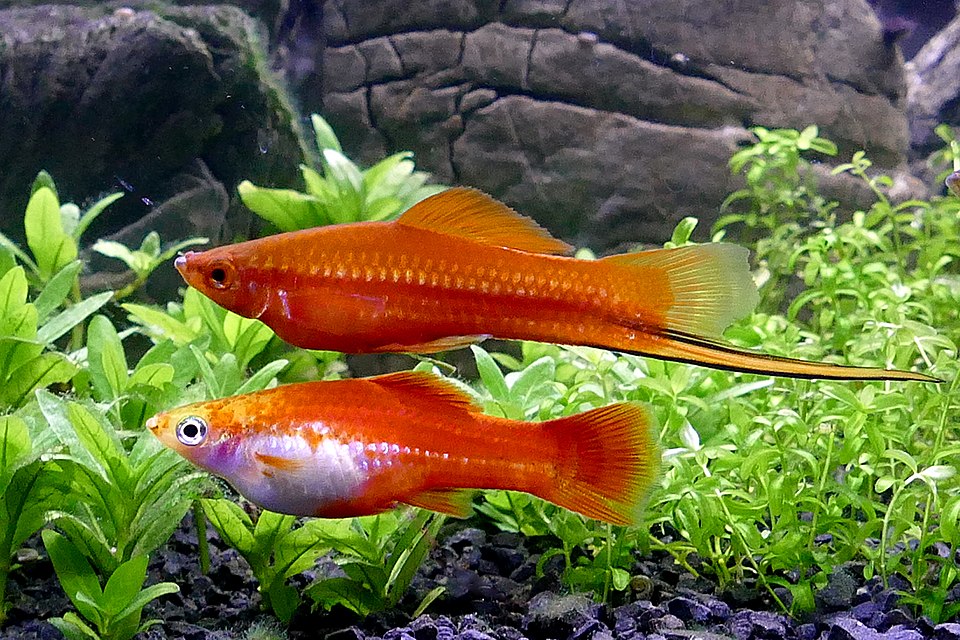
Swordtail fish (Xiphophorus hellerii) are one of the most iconic and beloved freshwater fish in the aquarium hobby, and it’s easy to see why. With their striking sword-shaped tails, vibrant colors, and remarkably hardy nature, swordtails have been winning over hobbyists — from complete beginners to seasoned aquarists — for generations.
In this detailed review, we’ll cover everything you need to know about swordtail fish, from their personality and care requirements to their costs and breeding habits. Whether you’re thinking about adding them to your tank or simply want to learn more about these dazzling swimmers, this guide has you covered.

Overview
Swordtail fish are medium-sized, active livebearers native to North and Central America. They are celebrated for their brilliant colors, the male’s distinctive elongated tail fin, and their adaptability to a wide range of water conditions. Here’s a quick summary of what makes them stand out:
- Handling and Temperament: Generally peaceful, though males can be territorial with one another.
- Care and Maintenance: Hardy and beginner-friendly, but do best with stable water parameters and adequate space.
- Health and Durability: Very resilient; resistant to most diseases with proper tank maintenance.
- Availability: Widely available at pet stores, fish expos, and breeders worldwide.
- Cost: Very affordable to purchase and set up.
- Overall: An excellent fish for aquarists of all experience levels, and a stunning centerpiece for community tanks.

Why Choose a Swordtail Fish?
Swordtail fish are a fantastic choice for anyone looking to add life, color, and energy to their aquarium. They are active, social, and endlessly entertaining to watch. Their tolerance for a wide range of water conditions makes them forgiving of beginner mistakes, while their stunning appearance and interesting breeding behavior keep experienced hobbyists engaged. Their relatively long lifespan of 3 to 5 years and ease of care make them a rewarding long-term commitment for the whole family.
On top of all that, swordtails come in an incredible variety of color morphs — from classic red and green to pineapple, kohaku, high-fin, and tricolor varieties — meaning there is truly a swordtail for every taste and every tank aesthetic.

Handling and Temperament
Swordtail fish are generally peaceful community fish, but their temperament does come with a few nuances worth understanding before setting up your tank.
Personality and Social Behavior
- Swordtails are active, curious fish that spend most of their time swimming in the mid to upper levels of the tank.
- They are social by nature and should ideally be kept in groups of at least 5 to 6 fish to keep them comfortable and reduce stress.
- While they are not schooling fish — meaning they don’t move in tight formation — they do enjoy the company of their own kind and other peaceful species.
Male Aggression
- One important thing to be aware of is that males can be aggressive toward one another, especially in smaller tanks where territory becomes an issue. Two males in close quarters will often chase and harass each other relentlessly.
- The solution is simple: maintain a ratio of 1 male to every 3 or 4 females. This distributes the male’s attention, reduces stress on individual females, and keeps the tank dynamic peaceful and balanced.
- Providing plenty of plants and hiding spots also goes a long way in diffusing any tension between tank inhabitants.
Interaction with Humans
- Swordtails are not fish you handle directly, of course, but they are wonderfully interactive in their own way. They are observant fish that will often swim toward the glass when you approach, especially at feeding time.
- They can be a little skittish initially, so we recommend approaching the tank gently and slowly to avoid startling them, particularly when they are new to their environment.

Care and Maintenance
One of the biggest reasons swordtails are so popular is how straightforward they are to care for. That said, meeting their basic needs consistently is the key to keeping them healthy, colorful, and thriving.
Enclosure Setup
- Tank Size: A minimum of 15 gallons works for a single swordtail, but since they are social and active swimmers, we strongly recommend 29 to 55 gallons for a group. A larger tank also makes managing water quality significantly easier.
- Swimming Space: Swordtails love open water to cruise through, so avoid overcrowding the tank with too many decorations. Prioritize horizontal swimming space, especially in the upper half of the tank.
- Plants: These fish are completely plant-safe and actually thrive in planted tanks. Live plants like Java fern, Anubias, water sprite, and floating plants like water lettuce or frog bit are excellent choices. Dense planting also provides critical cover for fry if you plan to breed them.
- Substrate: Swordtails are not fussy about substrate at all. Sand, gravel, or bare-bottom tanks all work perfectly fine.
- Lid: This is important — swordtails are surprisingly strong jumpers. Always keep a secure lid on the tank to prevent any unfortunate accidents.
Water Parameters
- Temperature: 65°F to 82°F (18°C to 28°C), with the sweet spot being around 75°F to 79°F (24°C to 26°C) for long-term health. Note that consistently higher temperatures speed up metabolism and can shorten their lifespan.
- pH: 7.0 to 8.4. Swordtails are livebearers and prefer alkaline, hard water. Never let the pH drop below 7.
- Water Hardness: 12 to 35 dGH. If your tap water is naturally soft, adding crushed coral or aragonite to the filter or substrate is an easy way to raise and stabilize hardness.
- A good filtration system is essential, as swordtails produce a fair amount of waste. Regular partial water changes of around 25% every 1 to 2 weeks will keep water quality stable and your fish looking their best.
Feeding
- Swordtails are omnivores and genuinely one of the easiest fish to feed. They will eagerly accept high-quality flake food or small pellets as their staple diet.
- We recommend supplementing their diet once or twice a week with live or frozen foods such as brine shrimp, bloodworms, or daphnia. This brings out richer coloration and keeps them in excellent condition.
- Including vegetable matter in their diet is important. Spirulina flakes or blanched vegetables like zucchini are great additions. In the tank, they will also naturally graze on algae growing on plants and rocks.
- Feed them two to three small meals per day, only as much as they can finish within 2 minutes. Remove any uneaten food promptly to avoid water quality issues.
Lighting
- Swordtails do not have any special lighting requirements. Standard aquarium lighting that supports plant growth is perfectly sufficient. A consistent light cycle of 8 to 10 hours per day is ideal.

Health and Durability
Swordtail fish are among the hardiest freshwater fish available, which is a big part of their enduring appeal. With proper care, they are resistant to most common diseases, but there are a few things to keep an eye on.
Common Health Issues
- Ich (White Spot Disease): The most common issue in freshwater fish, appearing as tiny white dots on the body and fins. It is caused by a parasite and is typically triggered by stress or sudden temperature drops. It is easily treatable with a temperature increase and readily available medications.
- Cotton Mouth / Fungal Infections: Appears as white fluffy patches on the body. Usually a result of poor water quality or injury. Treatable with antifungal medication and improved tank hygiene.
- Genetic Disorders: Fancy varieties of swordtails, due to years of intensive selective breeding, can sometimes be prone to genetic conditions that shorten their lifespan. When purchasing, always choose fish from reputable breeders who prioritize health over appearance alone.
Preventative Care
- Maintain stable water parameters — sudden swings in temperature, pH, or ammonia are the number one cause of illness in swordtails.
- Quarantine all new fish for at least 2 weeks before introducing them to an established tank.
- Perform regular water changes and keep the tank clean of decaying food and plant matter, which can lower pH and spike ammonia.
- Provide a balanced and varied diet to keep their immune systems strong.
With good husbandry, swordtails can comfortably reach 4 to 5 years of age, with some hobbyists reporting even longer lifespans under exceptional conditions.

Availability and Cost
One of the most appealing aspects of swordtail fish is just how accessible they are. They are one of the most widely available freshwater fish in the world.
Where to Buy
- Local Fish Stores: Most aquarium shops carry at least one or two varieties of swordtail. They are a staple of the hobby.
- Breeders: The best option for healthy, high-quality stock. Breeders can also offer rarer morphs and color varieties not found in regular pet stores.
- Reptile and Fish Expos: Great places to meet breeders in person, see a wide variety of morphs, and pick up healthy specimens.
- Online: Many reputable breeders sell and ship swordtails safely. Look for sellers with strong reviews and good livestock guarantees.
Cost
- Fish Price: Standard color morphs typically cost between $3 to $10 per fish. Rare or fancy varieties such as high-fin or kohaku swordtails can cost more depending on the breeder.
- Setup Cost: A basic but proper setup including a 29-gallon tank, filter, heater, lid, plants, and substrate will typically run between $100 to $250.
- Ongoing Costs: Fish food and water treatments are minimal, making swordtails one of the most cost-effective pets to maintain long-term.

Pros and Cons
Pros
- Extremely hardy and beginner-friendly.
- Stunning variety of colors and fin shapes available.
- Peaceful community fish compatible with many species.
- Easy and prolific breeders — great for families.
- Affordable to purchase and maintain.
- Active and engaging to watch.
Cons
- Males can be aggressive toward each other; careful stocking ratios are needed.
- Strong jumpers — a secure lid is a must.
- Higher water temperatures shorten their lifespan.
- Fancy varieties may have genetic health issues.
- Will eat their own fry without proper plant coverage or separation.

Final Thoughts
Swordtail fish are a timeless classic in the aquarium hobby for very good reason. They bring vibrant color, lively energy, and genuine charm to any tank they inhabit. Whether you are just starting out in the hobby or are a seasoned aquarist looking to add something beautiful and low-fuss to your setup, swordtails are an outstanding choice. Their ease of care, wide availability, and stunning variety of morphs mean there is truly something for everyone with this species.
If you are considering swordtails, we highly recommend visiting a local breeder or fish expo to see the variety of morphs available in person — you may be surprised by just how many options there are. Start with a proper group, maintain clean and stable water, and these gorgeous fish will reward you with years of color and activity.
Have you kept swordtail fish before? We’d love to hear about your experiences, your favorite morphs, and any tips you’d share with fellow hobbyists — drop them in the comments below!
For more fish care guides and reviews, stay tuned to our blog and don’t forget to subscribe to our newsletter! 🐟


Leave a Reply