
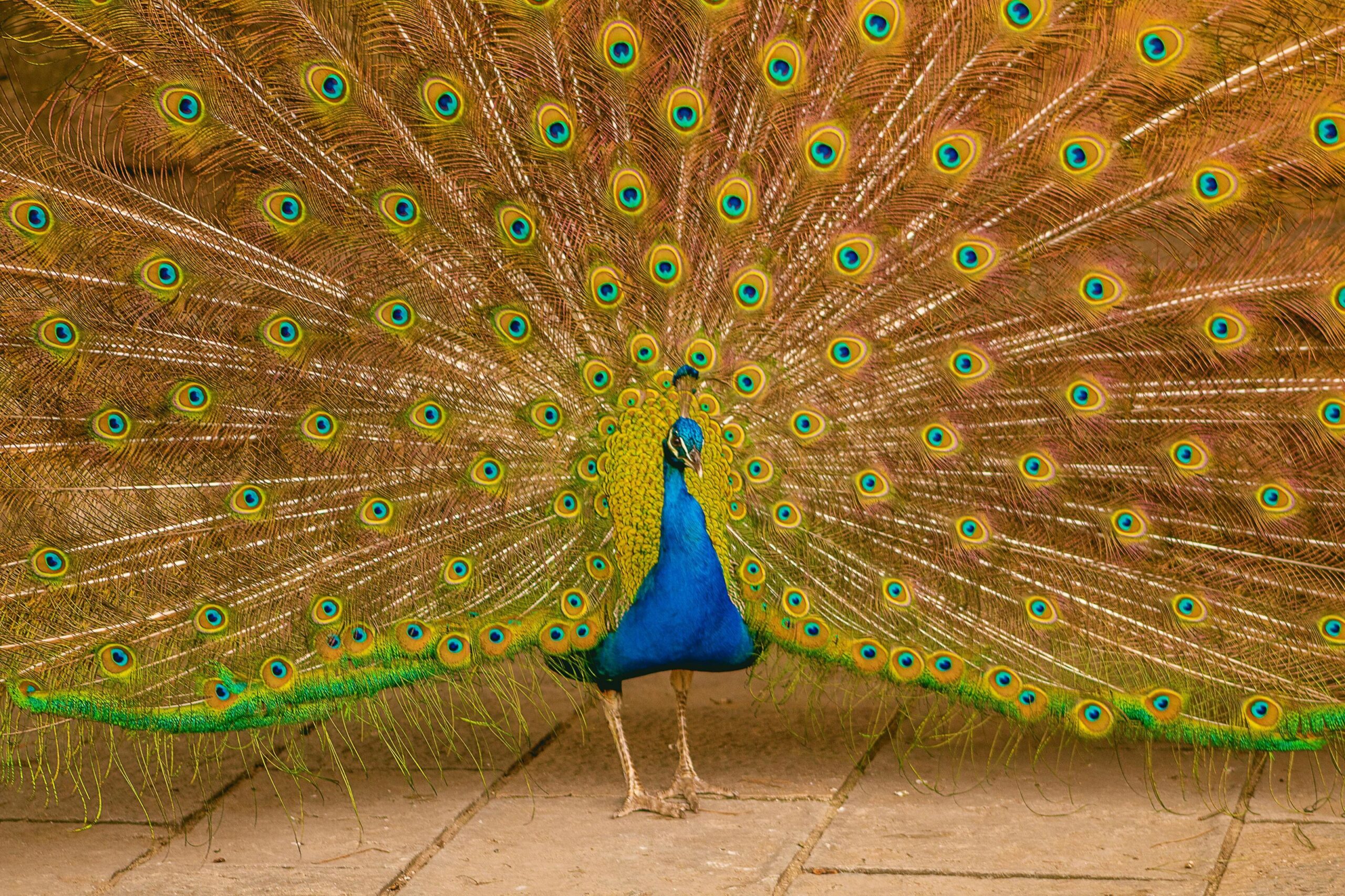
Hi there, pet lovers! 🦚
Peafowl (Pavo cristatus) are among the most breathtaking birds you can keep, and it’s easy to see why so many people are drawn to them. With their iconic iridescent plumage, bold personalities, and fascinating behaviors, peacocks are truly in a league of their own. But behind that stunning appearance lies a bird that demands real commitment, space, and understanding. In this detailed review, we’ll cover everything you need to know about keeping peafowl — from their temperament and housing needs to their diet, costs, and whether they’re the right fit for your home or homestead. Whether you’re a seasoned bird keeper or a curious first-timer, this guide is here to help you make a confident, informed decision.

Overview
Peafowl are large, arboreal-ground birds native to India, now found on farms and homesteads across the United States and beyond. They are celebrated for their dramatic appearance — particularly the male peacock’s train feathers, which can reach up to 6 feet in length — and their surprisingly complex social behaviors. Here’s a quick summary of what makes them stand out:
- Handling and Temperament: Intelligent and personable, but not a cuddle pet — best appreciated from a respectful distance.
- Care and Maintenance: Moderate to high maintenance; they need space, proper diet, and social companionship.
- Health and Durability: Adults are hardy and weather-tolerant; chicks are fragile and require extra care.
- Availability: Widely available through breeders, expos, and online bird marketplaces.
- Cost: Moderate upfront cost with ongoing feed and housing expenses.
- Overall: A magnificent, long-term companion best suited for those with outdoor space and patience.

Why Choose a Peacock?
Peafowl are not your average backyard bird. They bring a level of visual grandeur and personality that few animals can match. Beyond their looks, they serve practical purposes too — peafowl are well known for their instinctual dislike of snakes, a trait rooted in their origins in India where cobras are common. Their loud, distinctive calls also serve as a natural alarm system, alerting you to the presence of predators or unusual activity around your property.
They are deeply social, highly intelligent, and can even learn their own names and respond to familiar people. For the right owner — someone with space, patience, and a love of birds — peafowl are an incredibly rewarding animal to keep. That said, they are a serious long-term commitment, with lifespans reaching up to 40 years in captivity. This is not a decision to take lightly.

Handling and Temperament
Peafowl are intelligent birds with strong individual personalities, but they are not lap pets. Unlike dogs or even some parrots, peacocks and peahens are not naturally inclined toward physical affection. However, with time and consistent interaction, they can become remarkably comfortable around their keepers — recognizing faces, responding to names, and even learning simple tricks.
Personality Variations
- Males (peacocks) tend to be bolder and more territorial, especially during breeding season (April to September), when they may become aggressive toward their own reflection in car windows or glass surfaces, sometimes causing scratches and damage.
- Females (peahens) are generally calmer and easier to manage. Multiple hens can almost always be kept together without issue.
- Chicks (sometimes affectionately called “pea chicks”) start showing personality traits early — curious and energetic from the very first days of life.
Handling Tips
- Approach them calmly and consistently to build trust over time.
- Hand-feeding treats such as mealworms is one of the most effective ways to bond with your birds.
- Avoid startling them — peafowl can deliver a strong kick and may flee suddenly if frightened.
- Never house males together in small enclosures, as they will compete aggressively for dominance, potentially injuring each other by attempting to pull out one another’s train feathers.
A Note on Noise
Peafowl are loud. Their calls are one of the most distinctive sounds in the animal kingdom, and during spring and summer, they can be heard from a significant distance. This has been the single most common reason people rehome their peafowl. If you have close neighbors, this is a conversation you will need to have before bringing these birds home.

Care and Maintenance
Peafowl require more hands-on management than many backyard birds, but with the right setup, their day-to-day care becomes quite manageable. Here’s a full breakdown of what’s involved.
Enclosure Setup
- Space: At minimum, a pair of peafowl needs 500 square feet of enclosed space. More is always better, especially if you plan to keep multiple birds.
- Height: Peafowl love to roost at height. Your aviary must have a roof to prevent escape, and tall internal platforms or perches are strongly recommended.
- Fencing: Use sturdy fencing appropriate for large birds. If you plan to keep chicks, use smaller mesh openings to prevent escapes and keep predators out.
- Predator Considerations: Adult peafowl are large enough to deter small predators like hawks, foxes, and cats. However, dogs and coyotes pose a real threat and must be accounted for in your enclosure design.
- Shelter: They need a covered shelter to escape rain and harsh weather, though interestingly, peafowl often seem to enjoy standing in the rain. In cold climates, a dry, draft-free space is sufficient — most peafowl do not require supplemental heating as adults.
Free-Ranging
Free-ranging is a topic that divides the peafowl community. Many owners successfully free-range their birds, but there are important rules to follow:
- Never free-range birds under 1 year of age. Young peafowl are vulnerable to predators and far more likely to wander off.
- Avoid starting free-range during breeding season (April–September), when males are more likely to roam in search of mates.
- Never clip their wings. Peafowl rely on flight to escape predators. Clipping — even one wing — throws them off balance and leaves them defenseless.
- Pen your birds for several months before free-ranging so they establish a strong sense of home base.
- Maintain a ratio of 3 females per male when keeping multiple peacocks to reduce aggression.

Feeding
Peafowl are omnivores with specific nutritional needs. One of the most common mistakes new owners make is underfeeding protein or using the wrong type of feed.
Core Diet
- The foundation of their diet should be a pheasant or game bird feed with a 20–22% protein content. Standard chicken layer pellets are not appropriate — they contain too much calcium and not enough of the right nutrients for peafowl.
- Supplement with high-quality scratch grains, ideally those containing sunflower seeds and a wide variety of grains.
- Live feeder insects such as mealworms are an excellent source of natural protein and enrichment. Live insects have the highest nutritional value compared to freeze-dried or canned alternatives.
- Fresh vegetables are also an important part of their diet. Great options include bananas, tomatoes, leafy greens, kale, watermelon, blueberries, alfalfa hay, and dandelion greens.
- Fresh, clean water must always be available. Unlike ducks or chickens, peafowl tend to keep their water relatively clean, so a simple bowl works well.
What to Avoid
- Avoid excessively high-protein supplemental feeds beyond the recommended 20–22% — too much protein can lead to kidney damage.
- Treats should make up no more than 10% of the total diet. Overfeeding treats leads to nutritional imbalances.
- Do not mix feed types in the same container — keep commercial feed and treats separate.

Health and Durability
Adult peafowl are surprisingly tough birds. They are weather-hardy, tolerating cold winters without supplemental heat as long as they have adequate shelter. However, there are health considerations every owner should be aware of.
Chick Vulnerability
Pea chicks are far more delicate than adult birds. They are susceptible to:
- Coccidiosis — a parasitic disease that is a leading cause of chick death. Medicated starter feed is strongly recommended for the first several months.
- Impaction, stress, and disease — pea chicks are significantly more fragile than chicken chicks and require more careful management.
- Experts recommend keeping chicks off the ground for the first 4 months, though some owners move to ground housing earlier with careful monitoring.
Adult Health
- Deworming is an important routine task. It is recommended twice a year — a common method to remember is to deworm at each daylight saving time change. A typical deworming protocol involves a half milliliter per bird for 3 days, a 10-day break, then a repeat dose.
- Peafowl can be susceptible to diseases carried by chickens, so mixing species is generally not recommended.
- Provide environmental enrichment — platforms to jump on, variety in diet, and covered spaces to retreat to — to keep your birds mentally healthy.

Availability and Cost
Peafowl are more accessible than many people expect, particularly in rural areas of the United States.
Where to Buy
- Breeders: The best option for healthy, properly raised birds. Small local farms and large online breeders alike offer a wide variety of colors and morphs.
- Online Marketplaces: Sites such as Birds Only list peafowl for sale from breeders across the country, with some offering shipping.
- Auctions and Expos: A good way to find birds, though the age and history of auction birds may be harder to verify.
Cost
- Bird Price: Unsexed chicks typically start around $60 each. Standard adult Indian Blue peafowl can range from $50 to $150, while rare color morphs such as white, pied, or black shoulder can cost significantly more.
- Setup Cost: A proper aviary with adequate space, roofing, fencing, feeders, and waterers can range from $200 to $1,000+ depending on size and materials.
- Ongoing Costs: Game bird feed, deworming medications, and occasional veterinary care should be factored into your budget.

Pros and Cons
Pros
- Visually stunning with incredible variety in colors and patterns.
- Intelligent and capable of bonding with their keepers.
- Hardy and weather-tolerant as adults.
- Natural snake deterrents and effective property alarm systems.
- Long lifespan — up to 40 years in captivity — means a deeply rewarding, lasting relationship.
- Can be successfully free-ranged with proper preparation.
Cons
- Extremely loud — their calls can disturb neighbors significantly.
- Require large amounts of space — not suitable for small yards or urban settings.
- Chicks are fragile and require considerable experience and attention.
- Males can be aggressive toward reflective surfaces and other males during breeding season.
- A very long-term commitment — potentially a 40-year responsibility.
- Free-ranging carries risks of wandering or neighbor disputes.

Final Thoughts
Peafowl are extraordinary birds — visually spectacular, deeply intelligent, and full of personality. For the right owner, they are one of the most rewarding animals you can keep. But they are not for everyone. They need space, time, proper nutrition, social companionship, and an owner who is prepared for decades of commitment. If you live rurally, have the space, and are ready to invest the effort, peafowl will genuinely transform your property and your life in the most spectacular way.
If you’re considering peafowl, we strongly recommend connecting with a local breeder or joining one of the many active peafowl communities online before making your decision. Seeing these birds in person — hearing their calls, watching their displays, and observing their quirky, curious behavior — will tell you everything you need to know about whether they’re the right fit for you.
Have you owned peafowl? We’d love to hear your experiences, tips, and stories in the comments below! For more animal care guides and reviews, stay tuned and don’t forget to subscribe to our newsletter! 🦚


Leave a Reply