
Hi there, pet lovers! 🐦
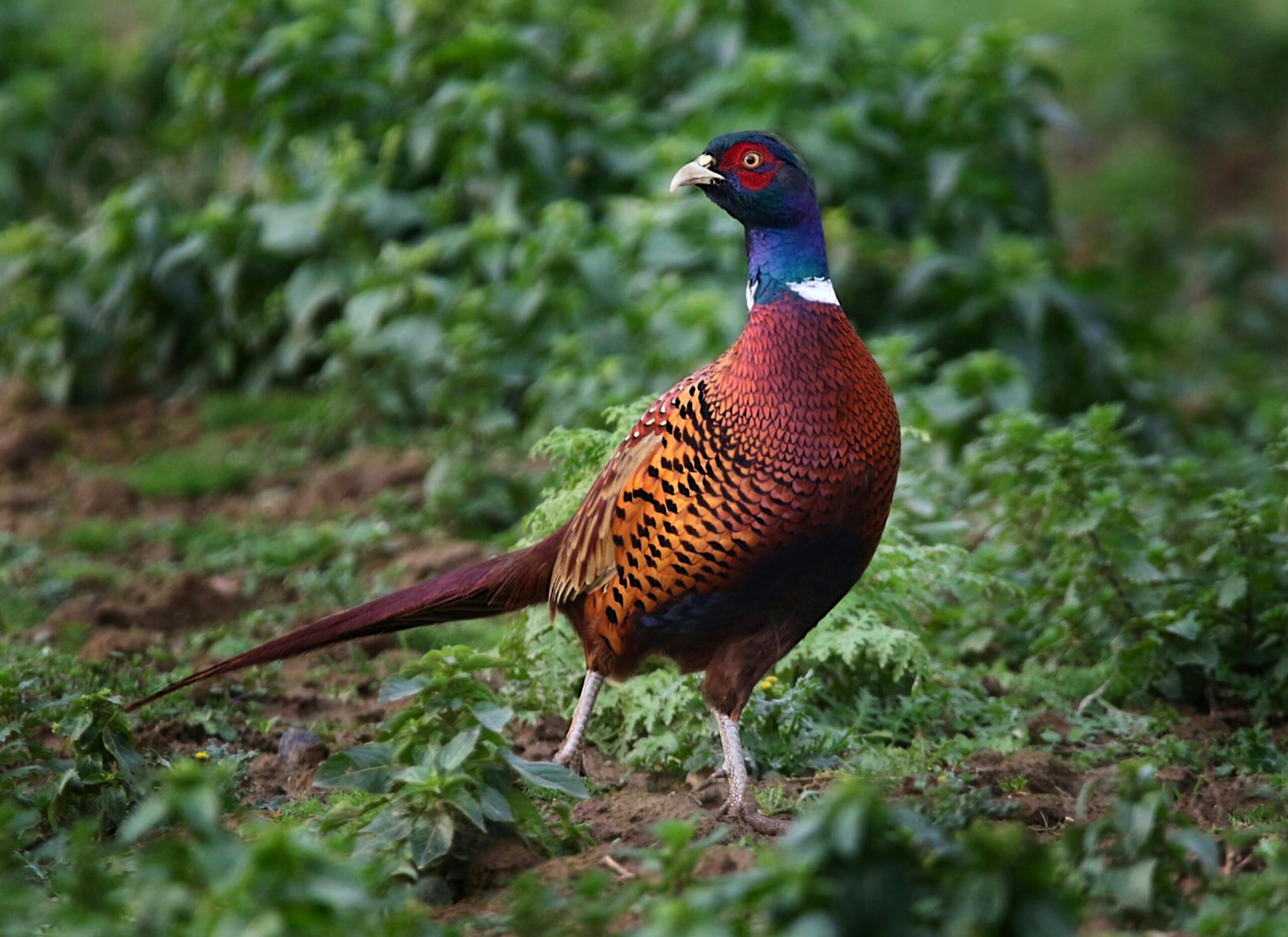
Pheasants (most commonly the Ringneck Pheasant, Phasianus colchicus) are one of the most fascinating and rewarding birds you can raise, whether for hunting, breeding, or simply enjoying their stunning beauty. Originally native to China and East Asia, these large, colorful game birds have made their way into backyards, farms, and wildlife habitats across North America, Europe, New Zealand, and beyond.
In this detailed review, we’ll cover everything you need to know about keeping pheasants — from their temperament and daily care to costs, enclosures, and long-term commitment. Whether you’re a first-time bird keeper or an experienced poultry raiser looking for something new, this guide will help you make an informed decision.
Overview
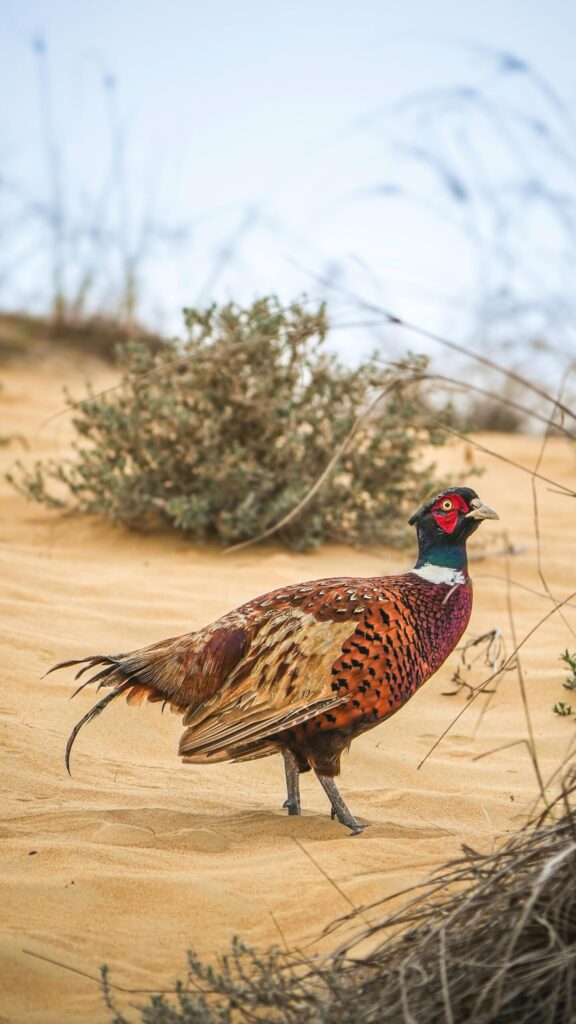
Pheasants are large, striking game birds that offer a unique and rewarding experience for those willing to meet their specific needs. They are not lap pets — they are wild at heart — but with the right setup and management, they can thrive beautifully in a home farm or backyard setting. Here’s a quick summary of what makes them stand out:
- Handling and Temperament: Wild and elusive; not suitable for hands-on interaction.
- Care and Maintenance: Moderate to high maintenance; require proper enclosures and diet.
- Health and Durability: Hardy once established, but chicks require careful attention.
- Availability: Widely available through hatcheries, breeders, and expos.
- Cost: Affordable to purchase; setup costs vary depending on scale.
- Overall: A fantastic bird for hunters, breeders, and wildlife enthusiasts with the space and commitment to care for them properly.
Why Choose a Pheasant?
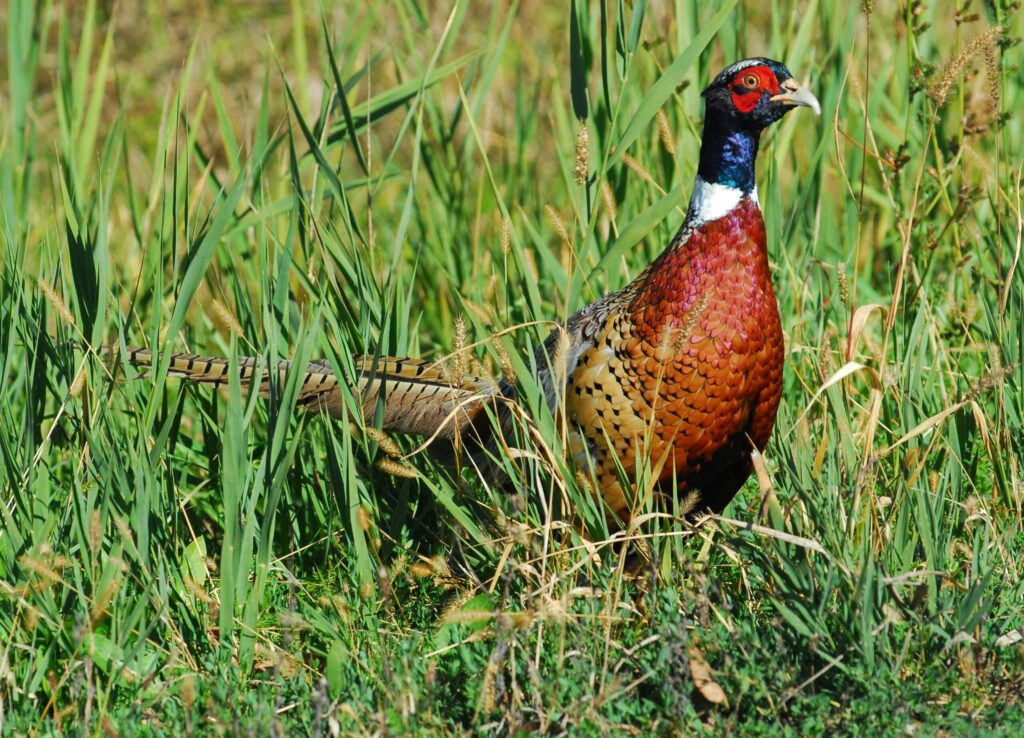
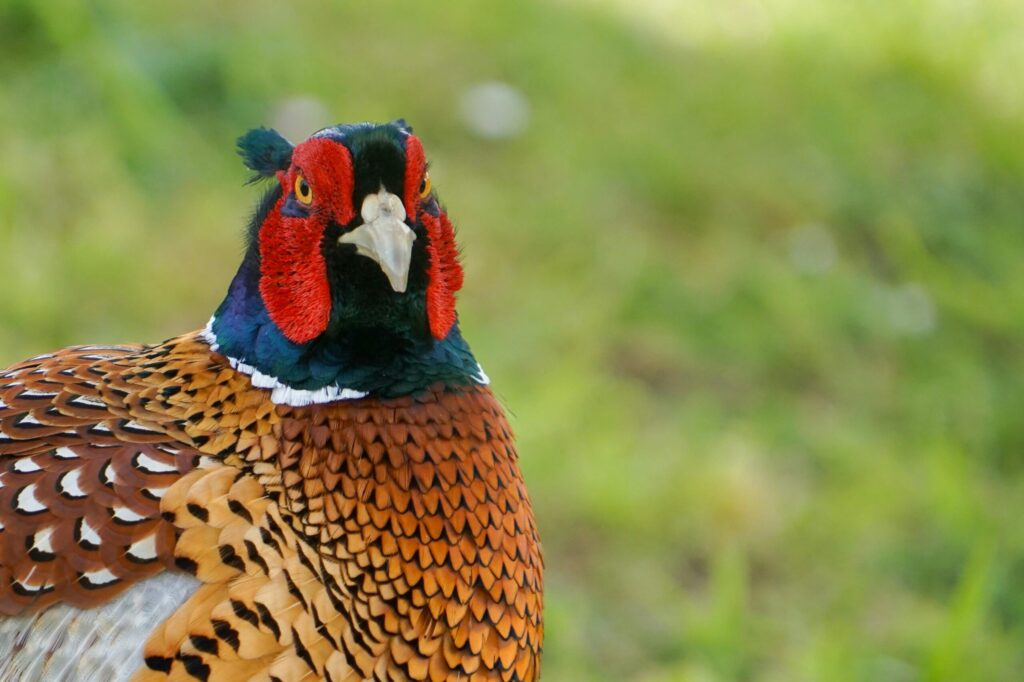
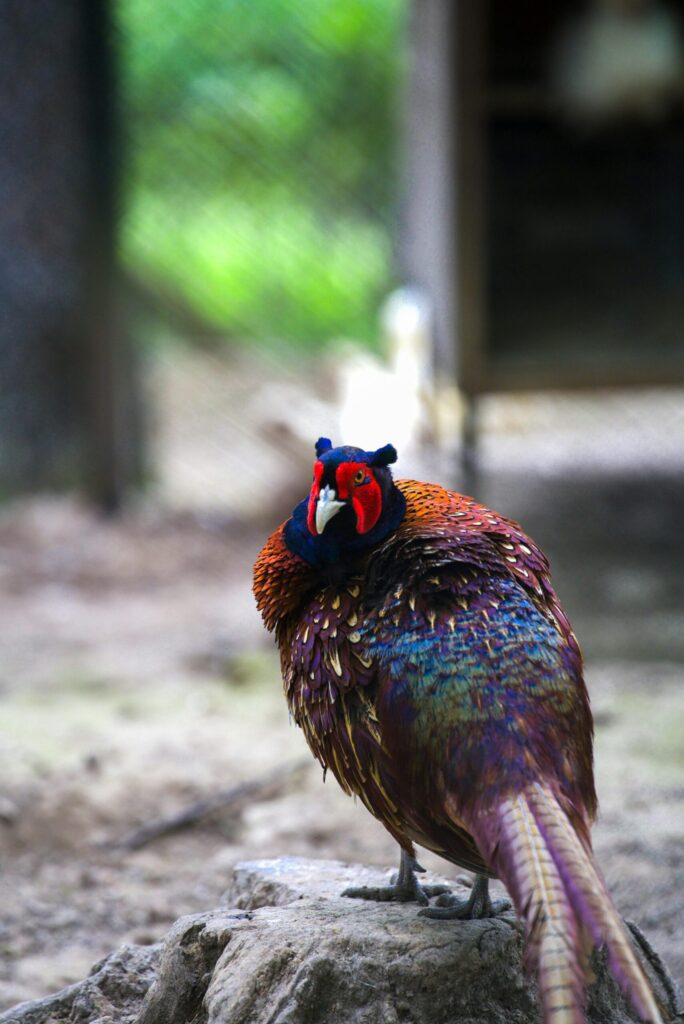
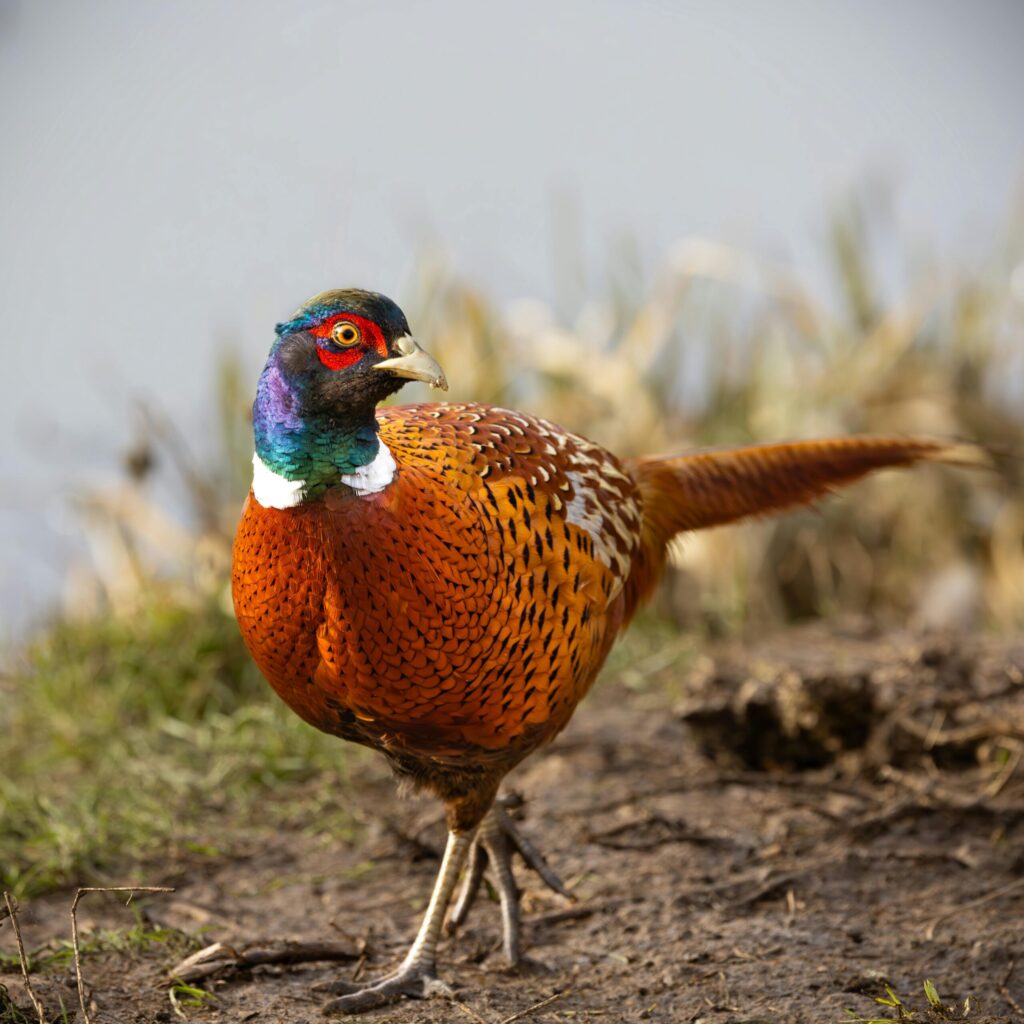
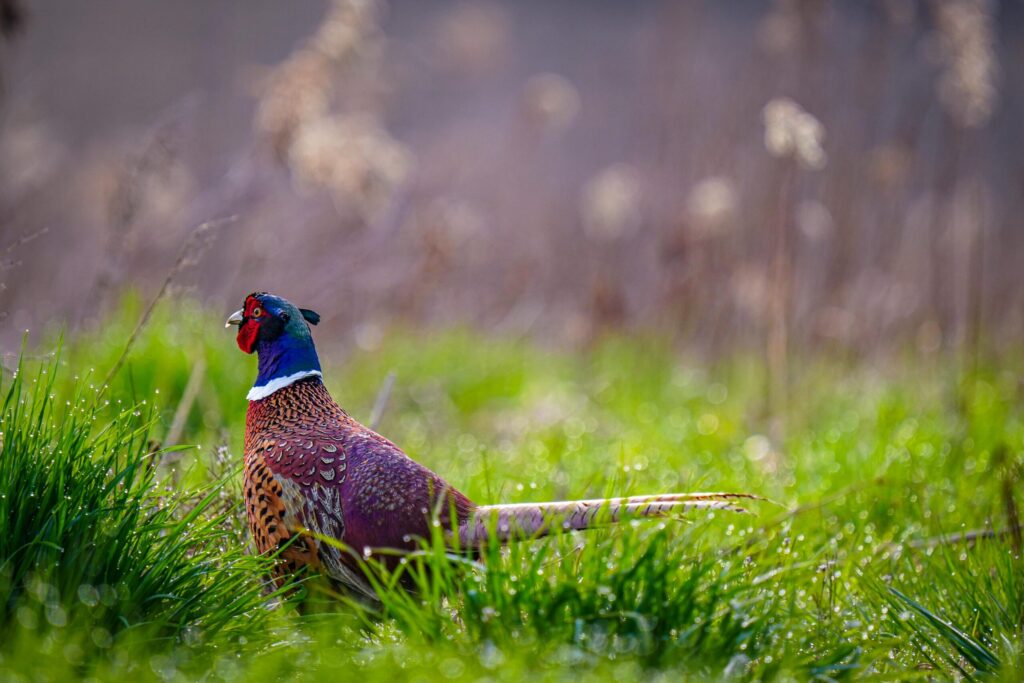
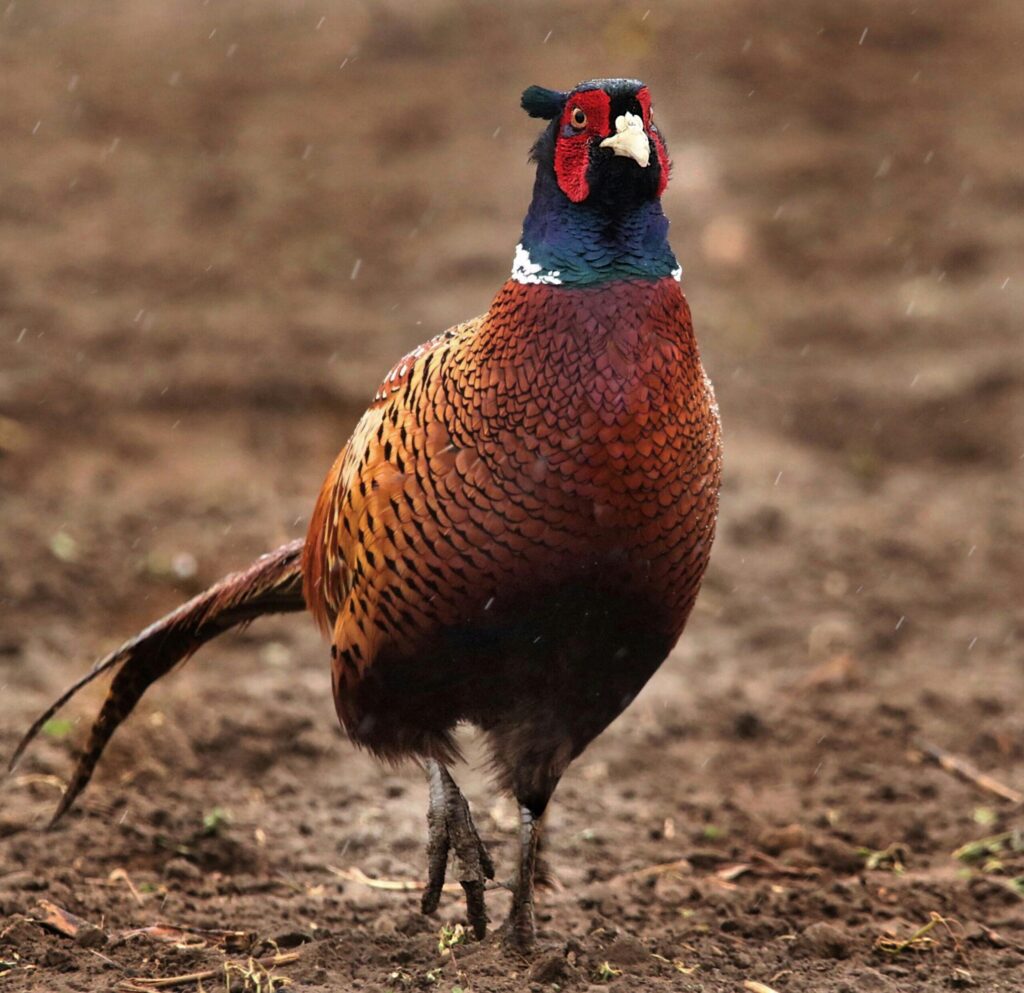
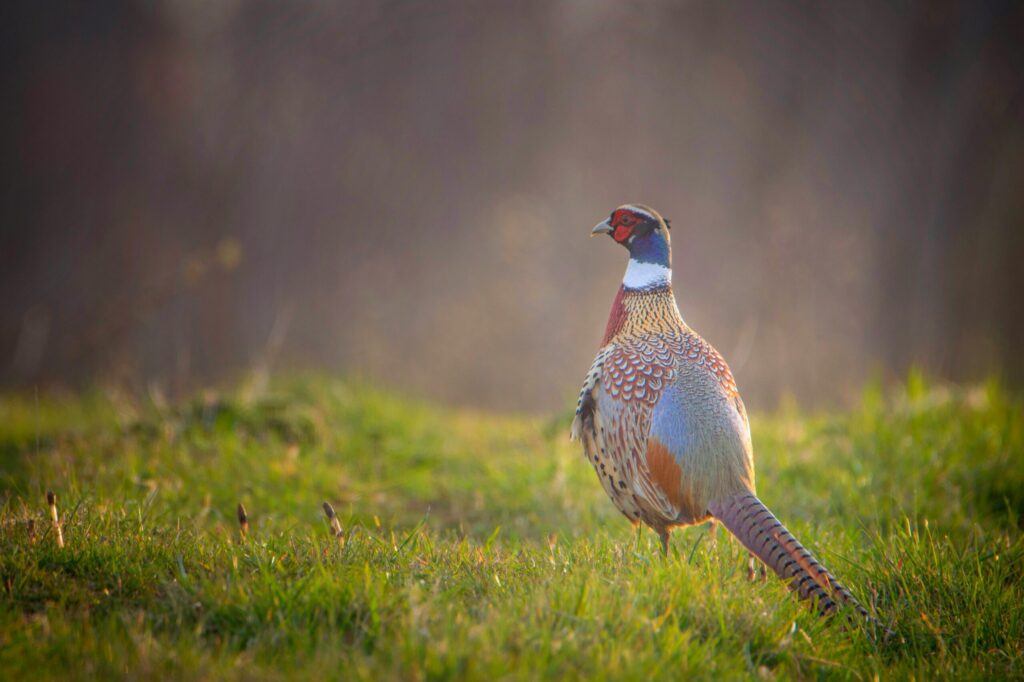
Pheasants are a truly unique addition to any farm or large backyard. The males, known as cocks or roosters, are arguably some of the most visually spectacular birds you can raise — boasting rich chestnut and gray wings, a glossy deep-green head, vibrant red eye patches, a distinctive white neck ring, and tail feathers that can grow up to 24 inches or longer, sometimes making up more than half of their total body length. The females, known as hens, are more modestly colored in mottled brown, which helps them stay camouflaged during nesting season.
Beyond their looks, pheasants serve multiple purposes. Many keepers raise them for hunting and game release, others for breeding and egg production, and some simply for the joy of watching these beautiful birds roam. Hens are surprisingly productive layers — a small flock of just 10 hens can produce up to 9 eggs per day at peak laying season. If you have the space, the setup, and a love for wildlife, pheasants will not disappoint.
Handling and Temperament
Pheasants are, at their core, wild birds. Unlike chickens or ducks, they do not warm up to humans easily and will rarely seek out interaction. Experienced keepers lovingly describe them as “ninjas” — incredibly fast, sneaky, and always looking for an opportunity to slip away unnoticed.
What to Expect
- Pheasants will generally run rather than fly when they sense danger, though they are capable of short bursts of flight.
- They are not aggressive toward humans in the way some roosters can be, but they will do everything in their power to avoid being handled.
- Catching a single bird often requires several minutes of chasing, even in a confined pen.
- They are naturally skittish and do not enjoy being picked up or restrained.
Aggression Toward Each Other
One of the most important things to understand about pheasants is their aggression toward one another, especially in confined spaces. Males will fight, peck, and injure each other if overcrowded. To manage this, keepers commonly use blinders — small plastic clip-on devices attached to the beak — which prevent birds from seeing directly in front of them and significantly reduce pecking and fighting. This is a standard and widely accepted practice that causes no harm to the birds.
Pheasants and Children
Because of their wild nature and speed, pheasants are not recommended as interactive pets for children. They are best appreciated from a distance or observed in their enclosure rather than handled regularly.
Care and Maintenance
Raising pheasants successfully requires planning, the right setup, and consistent daily management. They are considerably more demanding than backyard chickens, but the effort is absolutely worth it.
Enclosure Setup
- Space: Pheasants need plenty of room. Overcrowding is one of the leading causes of stress, disease, and aggression. A well-built outdoor pen with metal-coated mesh netting is essential — both to keep the pheasants in and predators out.
- Height: Being naturally inclined to roost, they need vertical space and roosting structures such as driftwood logs, tree branches, or elevated perches. Many keepers stack natural wood inside the pen for this purpose.
- Ground Reinforcement: Predators such as foxes, raccoons, and weasels will actively try to dig under the enclosure. Reinforce the base of your pen with a secured baseboard or buried mesh to prevent break-ins.
- Shelter: Pheasants need access to covered shelter areas where they can escape from rain, snow, and extreme heat. Repurposed 55-gallon drums cut in half and filled with hay are a popular, cost-effective solution that pheasants genuinely love using, especially in winter.
- Door Security: Always use a self-closing latch or bungee cord system on enclosure doors to prevent accidental escapes during feeding and maintenance.
Habitat Enrichment
- Plant or introduce switch grass, sorghum, sunflowers, and corn within or around your property if possible. These plants provide natural refuge, food, and cover that pheasants instinctively seek out.
- Provide dense ground-level cover at least 12–15 inches tall for hens during nesting season (April through June).
- A nearby water source or water hole will naturally attract and keep pheasants on your land.
Feeding
- Chicks (0–6 weeks): Require a high-protein starter feed (typically 28–30% protein) to support rapid growth.
- Juveniles and Adults: Transition to a game bird grower feed and eventually to a mix of wild bird seed, oats, corn, and vitamin-enriched mash. Many keepers report that adult pheasants strongly prefer wild bird seed over standard high-protein pellets.
- Feeders: A simple PVC gravity feeder connected to a trash can works extremely well — it requires no electricity, automatically refills the feeding pan, and can hold large quantities of feed with minimal daily effort.
- Water in Winter: In cold climates, install a water heater in the drinking trough to prevent freezing. Pheasants must have access to liquid water year-round.
- Insects: During the brooding season, chicks depend heavily on insects for protein. Broadleaf flowering plants naturally attract the insects chicks need in their first few weeks of life.
Lighting and Seasonal Considerations
Pheasants are highly seasonal birds. Their behavior, feeding habits, and reproductive activity shift dramatically across the year:
- Spring (April–June): Nesting season. Hens seek dense grass cover for nesting. Roosters compete aggressively for mates.
- Summer: Brood-rearing. Chicks need insect-rich environments and protective overhead cover.
- Fall: Birds shift toward roosting cover, dense grasses, and tall crop residue.
- Winter: Pheasants spend most of the day loafing in tall cover and feed briefly on waste grain. Tree rows and shrub thickets become critical survival habitat during severe snowstorms.
Health and Durability
Adult pheasants are surprisingly hardy birds once they are past the vulnerable chick stage. However, they do require attentive care throughout their lives, particularly in the early weeks.
Chick Care (The Most Critical Period)
- Newly hatched chicks must be immediately hydrated by dipping their beaks in water upon arrival.
- They require consistent heat lamp coverage for the first several weeks. On day one, chicks will pile under the heat lamp and sleep frequently — this is completely normal.
- By day three, chicks become noticeably more active and mobile.
- At 2.5 to 3 weeks, chicks are ready to transition from brooder boxes into an outdoor pen equipped with heat lamps, food, water, and hiding structures.
- At 4 weeks, this is the right time to apply blinders if birds will be raised in a group setting.
Growth Milestones
- At 12 weeks, juvenile roosters begin showing distinguishable red patches around the eyes and developing tail feathers — roughly one-third to one-half of their adult length.
- Full sexual maturity is reached at approximately 20 weeks.
- By 6 months, pheasants are considered adults with full plumage, long tail feathers, and established roosting behavior.
Common Health Issues
- Pecking injuries: The most common issue in confined flocks. Managed effectively with blinders and adequate space.
- Respiratory illness: Can occur with poor ventilation or extreme humidity changes.
- Predator stress: Pheasants are highly sensitive to the presence of predators near their enclosure, which can cause chronic stress and reduced production.
- Parasites: Regular monitoring for lice, mites, and internal parasites is recommended.
Lifespan
- In captivity with proper care, pheasants can live for more than 18 years.
- In the wild, however, most pheasants are lucky to survive beyond 2 years of age, largely due to predation and hunting pressure.
Availability and Cost
Pheasants are readily available across North America and Europe, making them accessible to most interested keepers.
Where to Buy
- Hatcheries and Breeders: The best option for healthy, well-started chicks. Many ship via the U.S. Postal Service with heat pads included in the shipping container to keep chicks warm during transit.
- Reptile and Bird Expos: A great place to meet breeders, ask questions, and select birds in person.
- Farm Supply Stores: Some carry pheasant chicks seasonally, particularly in spring.
Cost Breakdown
- Chick Price: Typically $5 to $15 per chick depending on the species and morph. Ringneck pheasants are the most affordable and widely available.
- Pen Construction: A basic but secure outdoor enclosure with metal mesh netting, roost structures, shelter, and feeders will run approximately $200 to $600 depending on size and materials used. Larger or more elaborate setups can cost significantly more.
- Ongoing Feed Costs: Feed expenses vary by flock size. A small flock of 40–50 birds will consume feed at a moderate but manageable cost, especially once switched to wild bird seed and grain mixes in adulthood.
- Equipment: Water heaters for winter, blinders, feeders, and heat lamps for chicks represent additional startup costs of roughly $50 to $150.
Pros and Cons
Pros
- Stunning visual appeal, especially the males with their vivid plumage and long tail feathers.
- Highly productive egg layers — ideal for breeding programs.
- Excellent for hunting, game release, or wildlife habitat projects.
- Hardy and low-drama once past the chick stage.
- Long lifespan in captivity (up to 18+ years).
- Deeply rewarding to raise from chick to adult.
Cons
- Not suitable for hands-on interaction or as a traditional pet.
- Require significant space and a secure, well-built enclosure.
- Highly aggressive toward one another in confined spaces without blinders.
- Chicks require intensive care in the first few weeks.
- Not recommended for small yards or urban settings.
- Escaped birds are notoriously difficult to recapture.
Final Thoughts
Pheasants are not your average backyard bird, and that is precisely what makes them so special. From the breathtaking sight of a fully mature rooster with his 24-inch tail feathers catching the winter light, to the quiet satisfaction of watching a flock of chicks grow from tiny, heat-lamp-huddling babies into confident, independent adults — raising pheasants is an experience unlike any other.
They demand respect for their wild nature, proper planning, and a commitment to their specific environmental needs. But for hunters, breeders, wildlife enthusiasts, or anyone with the space and passion to take them on, pheasants offer an incredibly fulfilling and visually spectacular addition to your property.
If you’re considering raising pheasants, we highly recommend starting with a small batch of chicks from a reputable hatchery, investing in a well-built pen from the start, and taking the time to understand their seasonal needs. The effort you put in will be rewarded many times over.
Have you raised pheasants before? We’d love to hear your experiences, tips, and stories in the comments below. For more bird care guides and farming reviews, stay tuned to our blog and don’t forget to subscribe to our newsletter! 🐦


Leave a Reply