
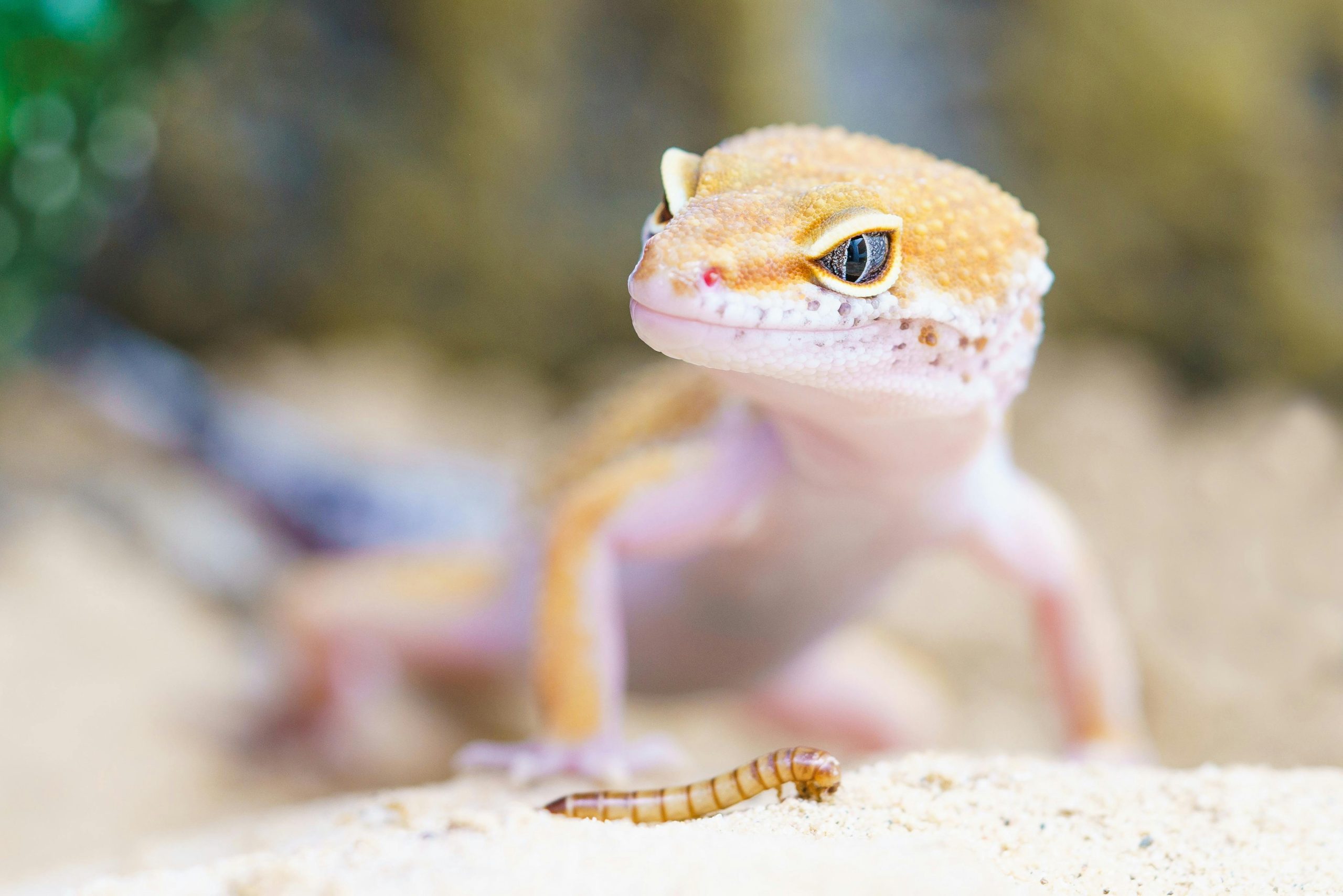
Hi there, pet lovers! 🦎
When it comes to feeding reptiles, insects are a staple diet for many species, including geckos, bearded dragons, chameleons, and more. Choosing the right insect feeder is crucial for your pet’s health, nutrition, and overall well-being. In this guide, we’ll explore the top 5 insect feeders for reptiles, breaking down their pros, cons, and unique benefits. Whether you’re a beginner or an experienced reptile keeper, this post will help you make informed decisions about your pet’s diet.
Overview
Here’s a quick summary of the top 5 insect feeders we’ll cover:
| Feeder | Pros | Cons | Best For |
|---|---|---|---|
| Crickets | Active, widely available, easy to breed | Noisy, short lifespan, high maintenance | Reptiles that need stimulation |
| Mealworms | Low maintenance, affordable, easy to breed | High chitin, small size, limited nutrition | Small to medium reptiles |
| Dubia Roaches | Nutritious, easy to contain, long lifespan | Need heat to breed, less active, cockroach stigma | All reptiles (especially larger ones) |
| Superworms | Larger size, low maintenance, long shelf life | High chitin, harder to breed, potential danger | Medium to large reptiles |
| Flightless Fruit Flies | Tiny size, easy to breed, no flight risk | Limited use, short lifespan, messy | Small reptiles and amphibians |
Each feeder has its own strengths and weaknesses, so the best choice depends on your reptile’s size, dietary needs, and your lifestyle. Let’s dive into the details!
1. Crickets
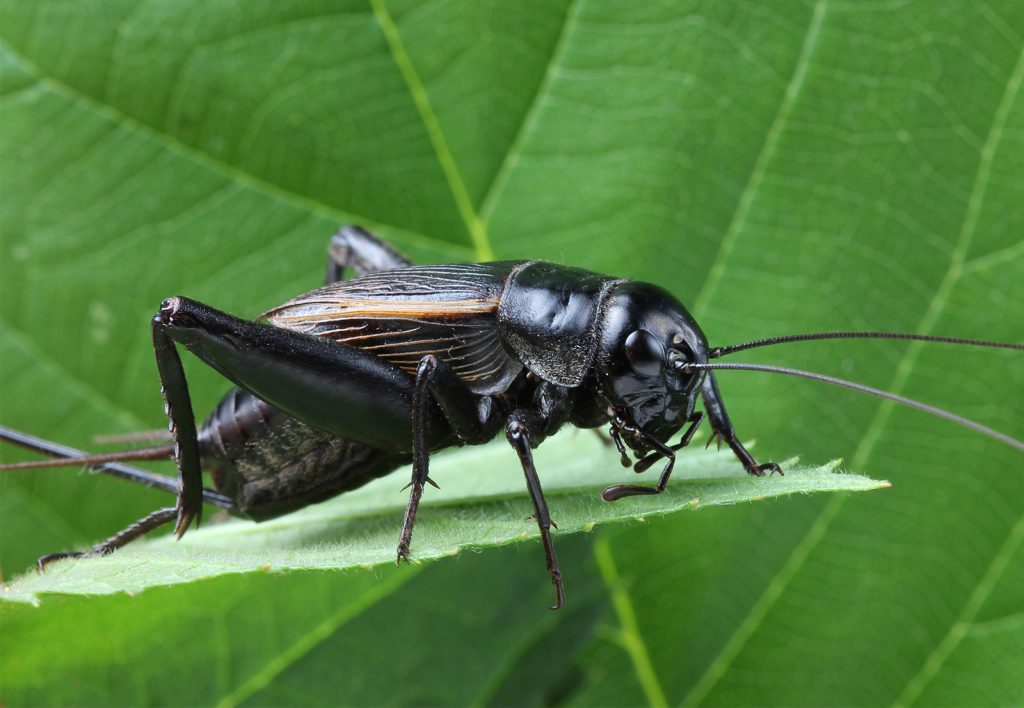
Crickets are one of the most popular insect feeders for reptiles. They’re widely available, affordable, and packed with nutrition.
Pros:
- Highly Active: Crickets move around a lot, stimulating your reptile’s hunting instincts.
- Variety of Sizes: Available in different sizes, making them suitable for both small and large reptiles.
- Easy to Breed: With a simple setup, you can breed crickets at home.
Cons:
- Noisy: Male crickets chirp, which can be annoying, especially in large numbers.
- Short Lifespan: Adult crickets don’t live long, so they require frequent replenishment.
- High Maintenance: Crickets need regular feeding and hydration to stay healthy.
Pro Tip:
Buy crickets in small quantities (50-100 at a time) to avoid dealing with noise and high maintenance. Feed adult males first to reduce chirping.
2. Mealworms
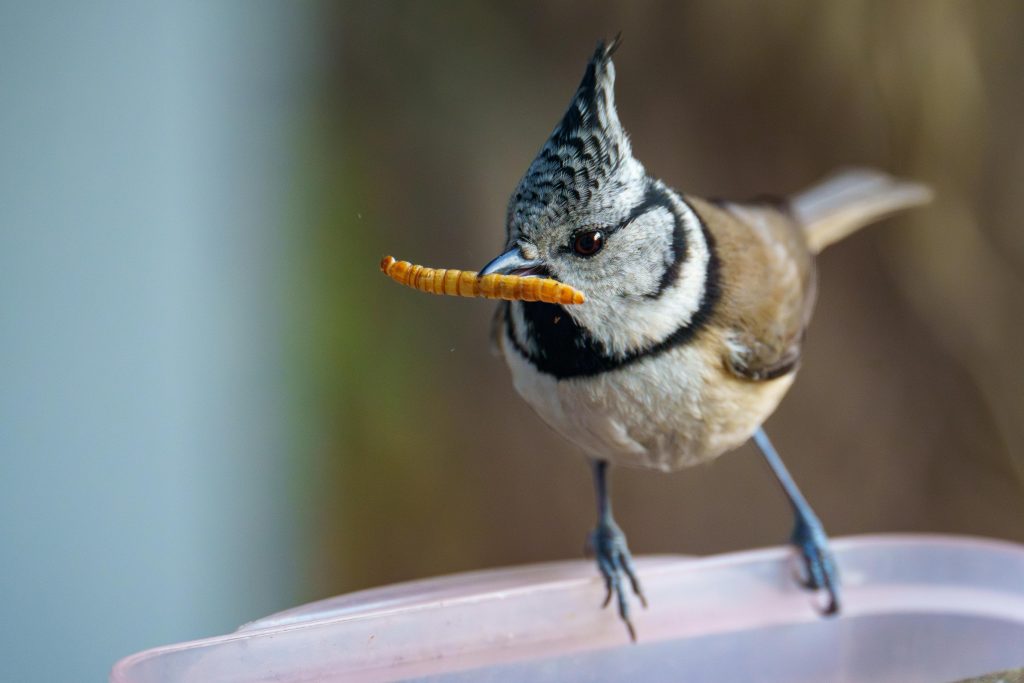
Mealworms are a staple feeder for many reptiles. They’re easy to care for and can be bred at home with minimal effort.
Pros:
- Low Maintenance: Mealworms thrive in a simple setup with oatmeal or grain meal.
- Affordable: A small initial investment can lead to a self-sustaining colony.
- Long Shelf Life: They can be stored for weeks with proper care.
Cons:
- High Chitin Content: Their hard exoskeleton can be difficult for some reptiles to digest.
- Small Size: Not ideal for larger reptiles, as they’d need to eat a lot to feel full.
- Limited Nutrition: Mealworms should be part of a varied diet, not the sole feeder.
Pro Tip:
Start with a small container of mealworms and place them in a bucket of oatmeal. Add moisture (like a piece of carrot or potato) to keep them hydrated. You’ll have a self-sustaining colony in no time!
3. Dubia Roaches
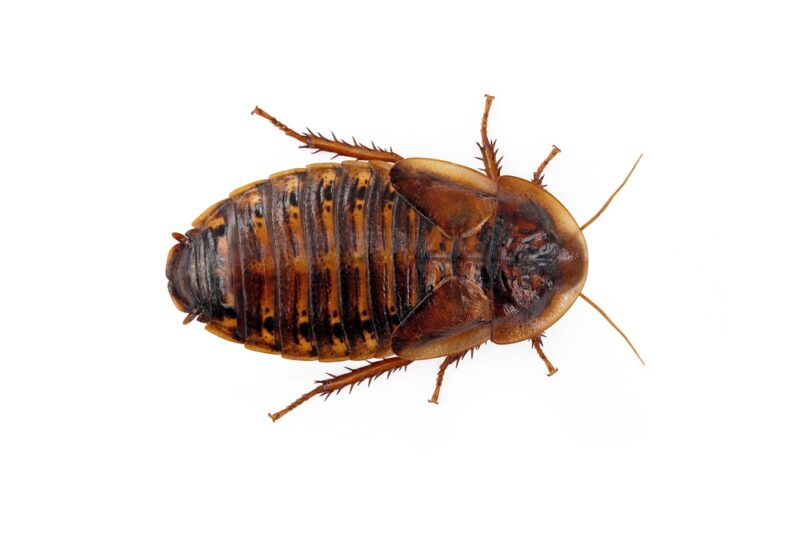
Dubia roaches are widely regarded as one of the best insect feeders for reptiles. They’re nutritious, easy to breed, and less likely to escape compared to other feeders.
Pros:
- Highly Nutritious: Dubia roaches are rich in protein and low in fat, making them an excellent staple feeder.
- Easy to Contain: Unlike other roaches, Dubias can’t climb smooth surfaces or fly.
- Long Lifespan: They live longer than crickets, reducing the need for frequent replenishment.
Cons:
- Need Heat to Breed: Dubia roaches require a warm environment (around 80-90°F) to reproduce.
- Less Active: They tend to hide rather than move around, which may not stimulate some reptiles.
- Cockroach Stigma: Some people are uncomfortable keeping roaches, even if they’re harmless.
Pro Tip:
Set up a Dubia roach colony in a plastic bin with smooth sides. Use heat mats to maintain warmth, and feed them vegetable scraps or commercial roach food. They’ll turn your kitchen waste into nutritious feeders!
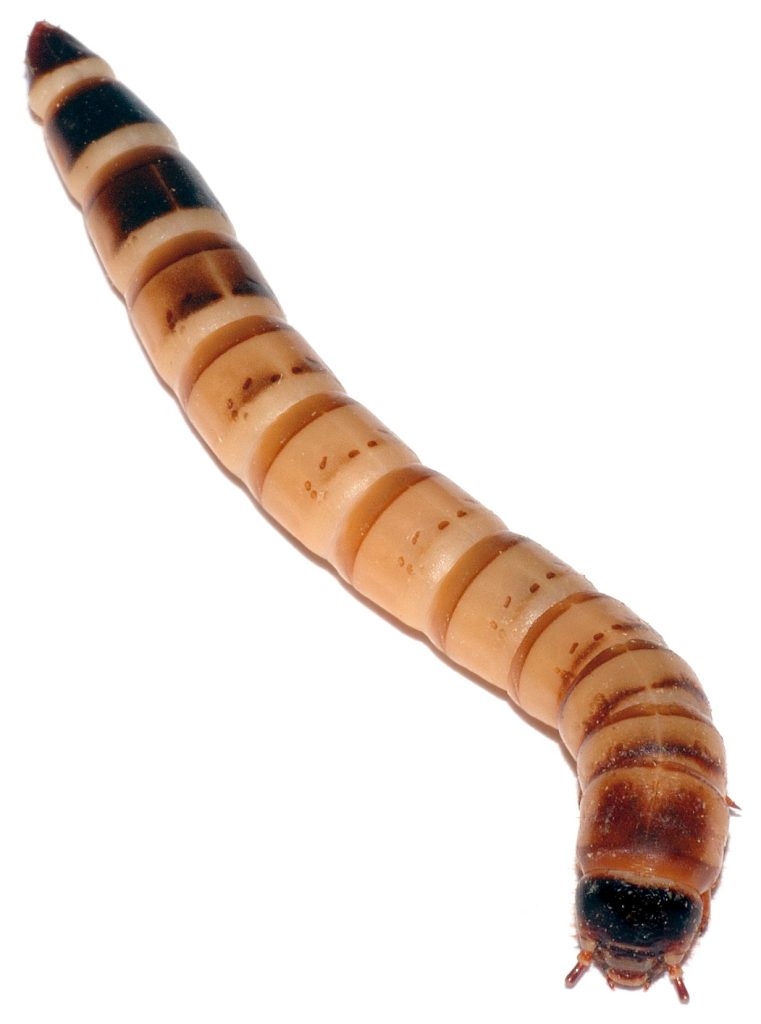
4. Superworms
Superworms are larger and meatier than mealworms, making them a great option for medium to large reptiles.
Pros:
- Larger Size: Ideal for bigger reptiles that need more substantial meals.
- Low Maintenance: Superworms can be stored in bulk with minimal care.
- Long Shelf Life: They last longer than crickets and are less noisy.
Cons:
- High Chitin Content: Like mealworms, their hard exoskeleton can be tough to digest.
- Harder to Breed: Superworms require isolation to pupate, making breeding more labor-intensive.
- Potential Danger: They can bite or nibble on reptiles if left uneaten.
Pro Tip:
Buy superworms in bulk (1,000 or more) and store them in a large container with food and moisture. They’ll last for weeks, providing a steady supply of feeders.
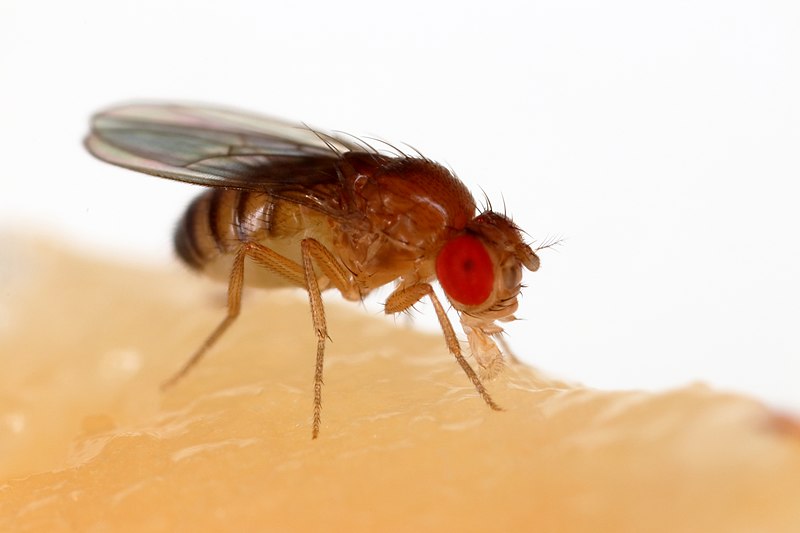
5. Flightless Fruit Flies
Flightless fruit flies are the go-to feeder for small reptiles and amphibians, such as baby geckos or dart frogs.
Pros:
- Tiny Size: Perfect for feeding small or juvenile reptiles.
- Easy to Breed: Fruit flies reproduce quickly, providing a constant food source.
- No Flight Risk: Flightless varieties can’t escape, making them easy to manage.
Cons:
- Limited Use: Only suitable for very small reptiles or amphibians.
- Short Lifespan: Fruit flies don’t live long, so colonies need regular maintenance.
- Messy: Their breeding medium can be messy and require frequent cleaning.
Pro Tip:
Use a pre-mixed fruit fly medium and add a few flies to start a colony. Within weeks, you’ll have hundreds of tiny feeders ready for your pets.
Final Thoughts
Choosing the right insect feeder for your reptile depends on their size, dietary needs, and your ability to maintain a colony. Crickets and Dubia roaches are excellent all-around options, while mealworms and superworms are great for variety. Flightless fruit flies are perfect for tiny pets.
By incorporating a mix of these feeders into your reptile’s diet, you can ensure they receive balanced nutrition and enjoy a stimulating feeding experience. Remember, a healthy reptile is a happy reptile!
What’s your favorite insect feeder for reptiles? Share your experiences and tips in the comments below!
For more reptile care guides and expert tips, stay tuned to our blog and don’t forget to subscribe to our newsletter! 🦎


Leave a Reply