
Hi there, pet lovers! 🐍💙
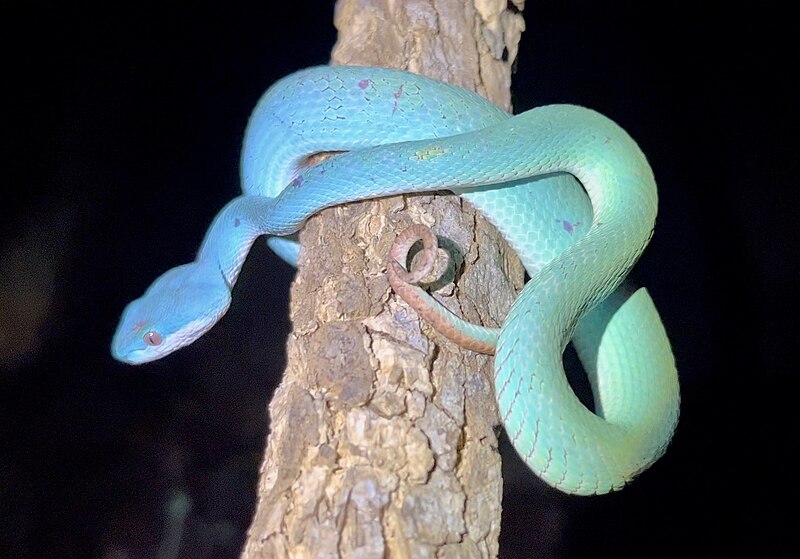
Few snakes capture the imagination quite like the Blue Insularis Pit Viper (Trimeresurus insularis), a mesmerizing arboreal viper known for its striking blue coloration. Native to the islands of Indonesia—particularly Komodo—this snake has gained popularity among advanced reptile keepers for its beauty and rarity. However, owning one is not for the faint of heart.
This guide provides a detailed, unbiased review of the Blue Insularis, covering its temperament, care requirements, health considerations, availability, and costs. Whether you’re a seasoned venomous keeper or simply fascinated by this species, we’ll help you determine if this viper is the right choice.
Overview
The Blue Insularis Pit Viper is a visually stunning but highly venomous snake best suited for experienced reptile handlers. Here’s a quick summary of what makes this species unique:
- Handling and Temperament: Extremely dangerous; not a hands-on pet.
- Care and Maintenance: Challenging, with strict humidity and temperature needs.
- Health and Durability: Hardy if kept correctly, but sensitive to stress.
- Availability: Rare in the wild; mostly available through specialized breeders.
- Cost: Moderate to high, factoring in permits and specialized enclosures.
- Overall: A breathtaking but high-risk species for expert keepers only.
Why Choose a Blue Insularis Pit Viper?
The Blue Insularis is one of the most awe-inspiring snakes in the reptile world. Its vivid blue scales (though some morphs are green or yellow) make it a living jewel. However, this is not a pet for beginners—or even intermediate keepers.
Who Should Consider This Snake?
- Advanced venomous keepers with proper training.
- Collectors seeking rare, visually striking reptiles.
- Those with legal permission (many regions restrict venomous snakes).
Who Should Avoid It?
- First-time reptile owners.
- Keepers uncomfortable with high-risk species.
- Those without access to emergency medical care for venomous bites.
Handling and Temperament
Extremely Dangerous – Not a Hands-On Pet
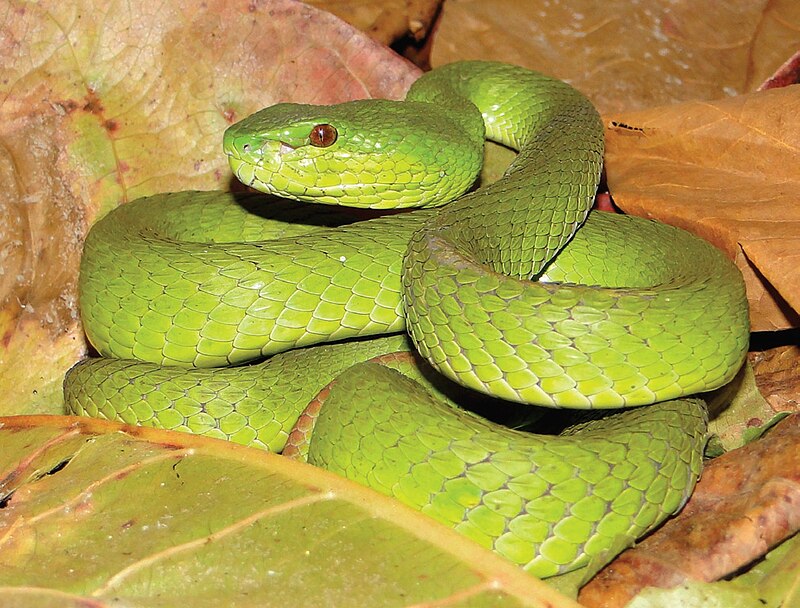
Unlike docile species like ball pythons, the Blue Insularis is a venomous predator. Its bite delivers hemotoxic venom, causing severe pain, swelling, tissue necrosis, and potential limb loss. No species-specific antivenom exists, making medical treatment difficult.
Behavioral Traits
- Defensive & Striking: Quick to react when threatened.
- Tail-Luring: Uses its tail to mimic prey, attracting birds in the wild.
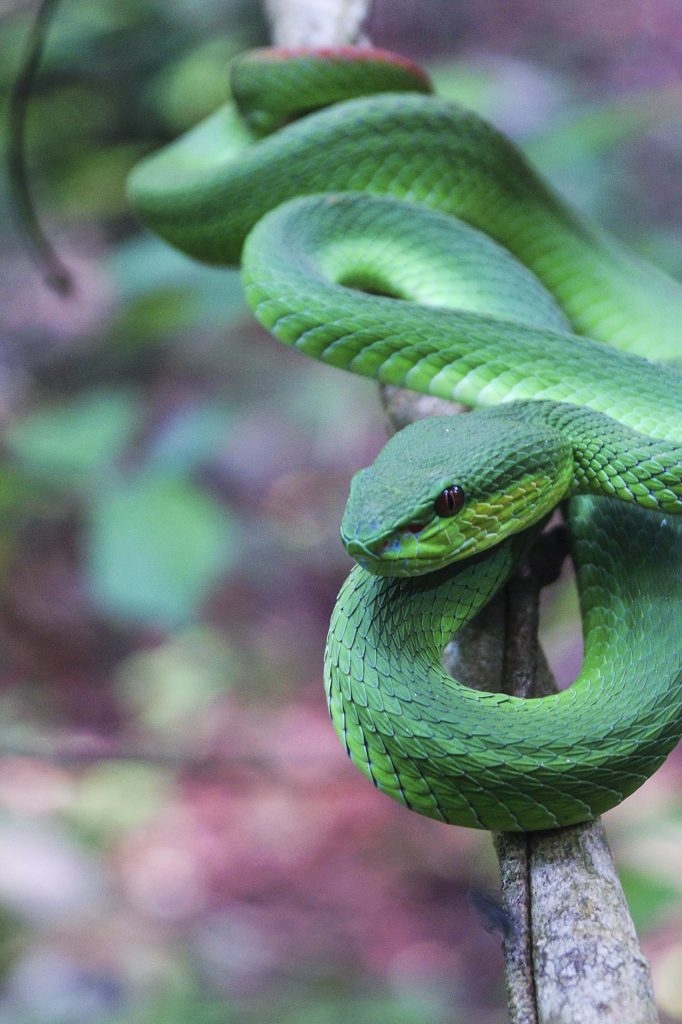
- Arboreal Nature: Prefers staying coiled on branches, making handling tricky.
Handling Tips (For Experts Only)
- Never free-handle. Use snake hooks and tongs.
- Avoid sudden movements. Stress can lead to refusal to eat.
- Work in pairs when maintaining enclosures for safety.
Care and Maintenance
Enclosure Setup
- Size: Minimum 24x18x24″ (vertical) for adults.
- Climbing Space: Heavy foliage, sturdy branches, and hiding spots.
- Substrate: Coconut fiber or bioactive mix to retain humidity.
- Lighting: Low-level UVB optional, but naturalistic daylight cycles help.
Humidity & Temperature
- Humidity: 70-80% (daily misting required).
- Temperature: 75-82°F (24-28°C) daytime, slight drop at night.
- Avoid Overheating: Temperatures above 85°F (29°C) can be fatal.
Feeding
- Diet: Primarily live or thawed rodents (mice/rats).
- Feeding Frequency: Every 7-10 days for adults.
- Challenges: Babies often refuse rodents—may need frog or lizard scenting.
Health and Durability
Common Health Issues
- Respiratory Infections: Caused by incorrect humidity.
- Stress-Related Fasting: Especially in wild-caught specimens.
- Parasites: More common in imports; quarantine new arrivals.
Preventative Care
- Regular enclosure cleaning to prevent mold/bacteria.
- Monitor for signs of stress (lethargy, refusal to eat).
- Vet checks (if a professional experienced with venomous snakes is available).
Availability and Cost
Where to Buy
- Specialized Breeders: Best for healthy, captive-bred specimens.
- Reptile Expos: Occasionally available, but verify legality.
- Avoid Wild-Caught: Higher risk of parasites and stress.
Cost Breakdown
- Snake Price: $500-$2,500+ (depending on morph).
- Enclosure Setup: $300-$600 (bioactive, secure locking).
- Permits/Legal Fees: Varies by location (often costly).
Pros and Cons
Pros
- One of the most beautiful snakes in the world.
- Fascinating arboreal behaviors.
- Long lifespan (15+ years with proper care).
Cons
- Extremely venomous—life-threatening bite risk.
- Difficult feeding response in juveniles.
- Legal restrictions in many areas.
Final Thoughts
The Blue Insularis Pit Viper is a jaw-dropping species that commands respect. While its beauty is undeniable, the risks and care demands make it unsuitable for most reptile enthusiasts.
Should You Get One?
✅ Yes, if:
- You have venomous snake experience.
- You can meet legal and safety requirements.
- You’re prepared for long-term, high-maintenance care.
❌ No, if:
- You lack venomous handling training.
- You live where ownership is restricted.
- You prefer interactive, handleable pets.
For those who can responsibly keep this species, the Blue Insularis is a living masterpiece. For everyone else, admiring them in photos or at professional exhibits may be the wiser choice.
Have you encountered a Blue Insularis? Share your thoughts or questions below! For more expert reptile guides, stay tuned to our updates. 🐍💙


Leave a Reply