
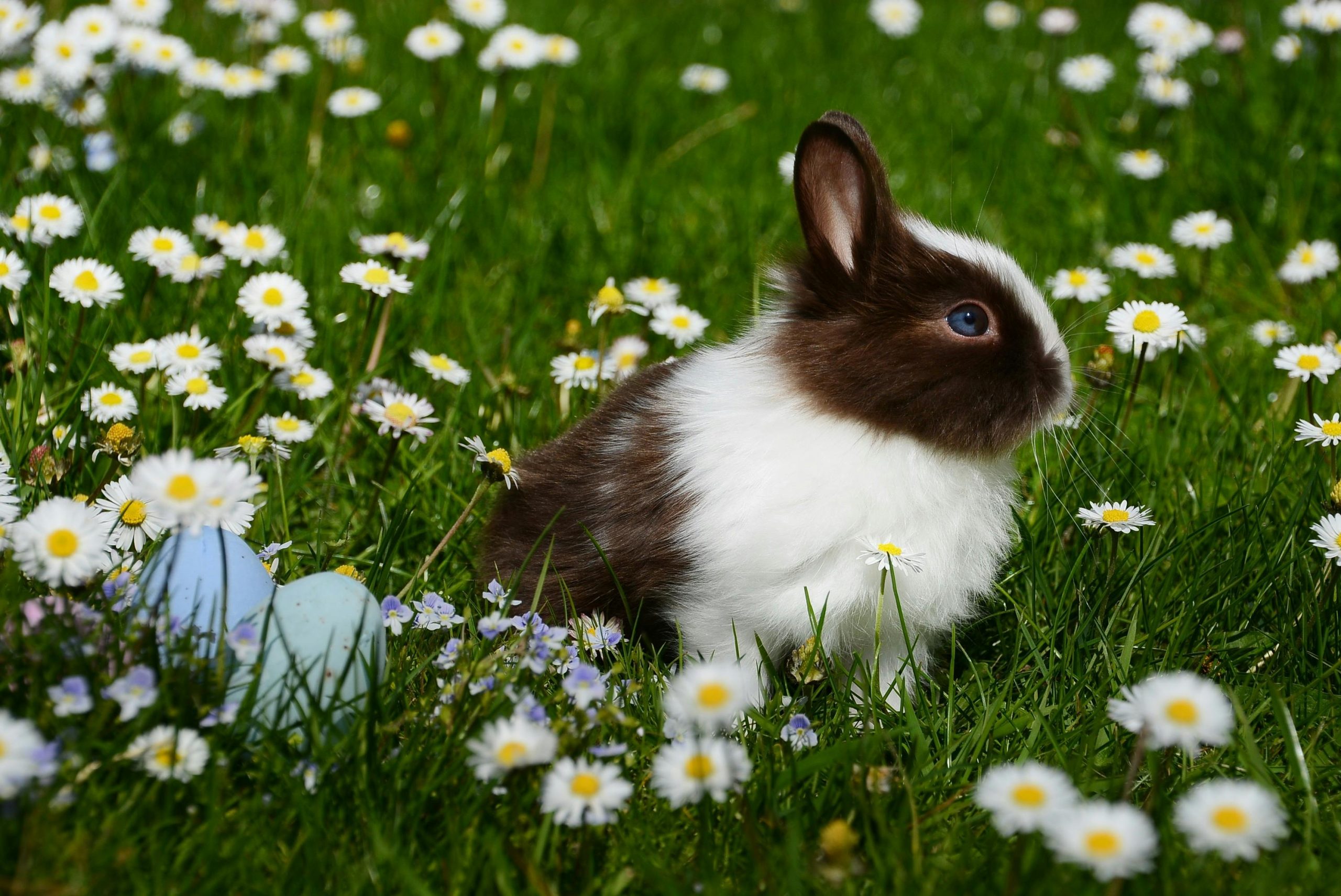
Hello, pet lovers! 🐇
Rabbits are undeniably adorable, with their twitching noses, floppy ears, and playful personalities. But before you bring one home—especially around Easter—it’s important to understand that rabbits are far more complex than their cute appearance suggests. Unlike chocolate bunnies, real rabbits require long-term commitment, specialized care, and plenty of space.
In this detailed guide, we’ll cover everything you need to know about rabbit ownership—from their unique biology and behavior to their dietary needs, housing requirements, and health considerations. Whether you’re considering adopting a rabbit or just curious about these fascinating animals, this review will help you make an informed decision.

Overview
Rabbits (Oryctolagus cuniculus) are social, intelligent, and active animals that thrive in the right environment. While they can make wonderful pets, they are not low-maintenance and require dedicated care. Here’s a quick summary of what makes them unique:
- Handling and Temperament: Delicate and prone to stress; not ideal for rough handling.
- Care and Maintenance: Requires a high-fiber diet, spacious enclosure, and daily exercise.
- Health and Durability: Sensitive to diet changes and prone to digestive and spinal issues.
- Availability: Widely available, but adoption is strongly recommended over buying from pet stores.
- Cost: Affordable upfront, but vet bills can be expensive.
Overall: A rewarding pet for dedicated, patient owners who understand their needs.

Why Choose a Rabbit?
Rabbits are highly social, playful, and can form strong bonds with their owners. They are quiet, clean (when litter-trained), and full of personality. However, they are not starter pets—they need daily interaction, mental stimulation, and proper care to thrive.
Their lifespan (8-12 years, sometimes longer) means they are a long-term commitment, much like a cat or dog. They are not cage animals—they need space to run, dig, and explore to stay happy and healthy.

Handling and Temperament
Rabbits are prey animals, meaning they are naturally skittish and easily stressed. Unlike dogs or cats, they do not enjoy being picked up and can panic if handled improperly.
Personality Variations
- Some rabbits are bold and curious, while others are shy and cautious.
- They show affection in subtle ways—nudging, circling feet, or flopping down beside you.
- Bonding takes time; rushing interactions can lead to fear and aggression.
Handling Tips
- Never pick up a rabbit by the ears or scruff—this can cause severe injury.
- Support their entire body, keeping their spine straight to prevent fractures.
- Let them come to you—sit on the floor and allow them to approach at their own pace.
- Avoid holding them for long periods—they prefer to stay on the ground.
Biting and Scratching
- Rabbits rarely bite aggressively, but they may nip if scared or territorial.
- Scratching can happen if they try to escape being held.
- Proper socialization reduces fear-based behaviors.

Care and Maintenance
Rabbits require daily care, a proper diet, and a safe environment. Unlike rodents, they have specialized digestive systems that need constant attention.
Enclosure Setup
- Minimum Size: At least 4×4 feet for one rabbit, with additional space for exercise.
- Flooring: Solid, non-slip surfaces—avoid wire-bottom cages (causes sore hocks).
- Litter Box: Trainable! Use paper-based or hay-based litter (avoid clay or clumping).
- Hideouts: Essential for security—tunnels, boxes, or wooden shelters.
- Chew Toys: Prevents boredom and keeps teeth healthy (applewood, willow, cardboard).
Diet: The Key to a Healthy Rabbit
- 80% Grass Hay (Timothy, Orchard, Meadow)—unlimited supply for digestion & dental health.
- 15% Fresh Greens (Romaine, cilantro, parsley, dandelion greens)—avoid iceberg lettuce.
- 5% Pellets (High-fiber, no seeds or colorful bits)—1/4 cup per 5 lbs of body weight.
- Treats: Small amounts of fruit (apple, banana) or herbs—too much causes obesity.
- Water: Fresh, clean water daily in a bowl (preferred over bottles).
Exercise & Mental Stimulation
- 3-4 hours daily outside the cage for running, jumping, and exploring.
- Digging opportunities (a box filled with shredded paper or soil).
- Puzzle feeders to encourage natural foraging behavior.

Health and Durability
Rabbits are fragile and can hide illness well. Preventative care is crucial to avoid emergencies.
Common Health Issues
- GI Stasis (Gut Slowdown): Deadly if untreated—signs include no eating, small/no droppings.
- Dental Problems: Overgrown teeth from poor diet—requires vet filing.
- Respiratory Infections: Sneezing, nasal discharge—needs antibiotics.
- Spinal Injuries: From improper handling—paralysis is a risk.
Preventative Care
- Annual vet check-ups (exotic vet required).
- Spay/neuter (reduces cancer risk in females and aggression in males).
- Grooming: Brush regularly (especially long-haired breeds).
- Monitor droppings daily—changes indicate health problems.

Availability and Cost
Where to Get a Rabbit
- Adoption: Best option—rescues are full of rabbits needing homes.
- Reputable Breeders: If seeking a specific breed, avoid pet stores (often poor breeding).
Cost Breakdown
- Initial Setup: $200-$500 (enclosure, litter box, toys, carrier).
- Monthly Food/Hay: $30-$50.
- Vet Bills: $100-$300 yearly (emergencies can cost $500+).

Pros and Cons
Pros
✔️ Quiet, clean, and litter-trainable.
✔️ Affectionate and playful when socialized.
✔️ Long lifespan (8-12+ years with good care).
Cons
❌ Fragile—improper handling can cause injury.
❌ Expensive vet care (exotic specialists needed).
❌ Requires daily time and attention.

Final Thoughts
Rabbits are wonderful companions for the right owner—someone patient, committed, and willing to learn their unique needs. They are not low-maintenance pets, but for those who invest the time, they offer years of joy and companionship.
Before adopting, consider:
- Do you have space and time for a rabbit?
- Can you afford potential vet bills?
- Are you prepared for a 10+ year commitment?
If the answer is yes, a rabbit could be a perfect addition to your home. Adopt, don’t shop, and give a bunny the loving home they deserve!
Have experience with rabbits? Share your tips in the comments below!
For more pet care guides, stay tuned to our blog and subscribe for updates! 🐰💕





Leave a Reply