
Hi there, pet lovers! 🐾
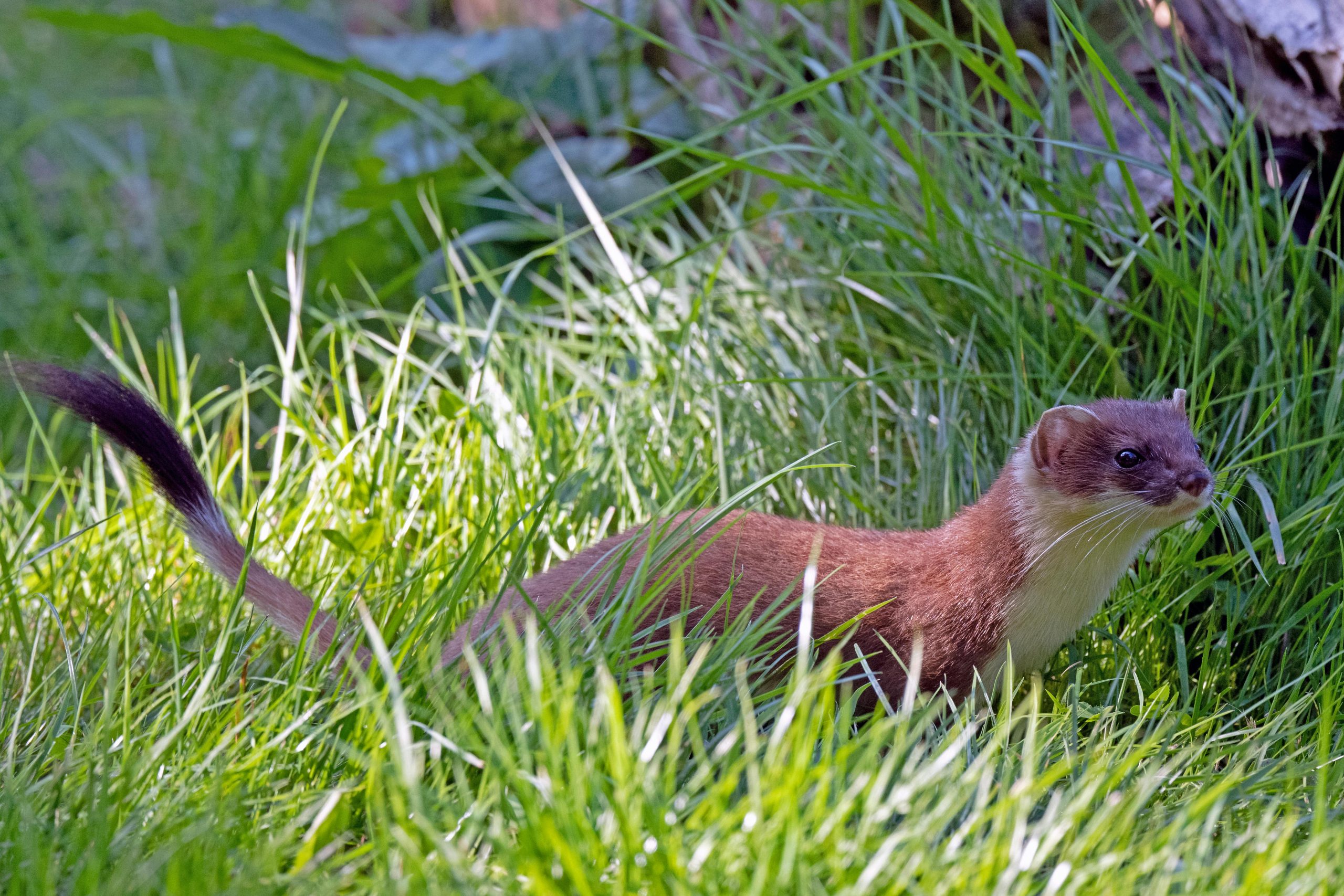
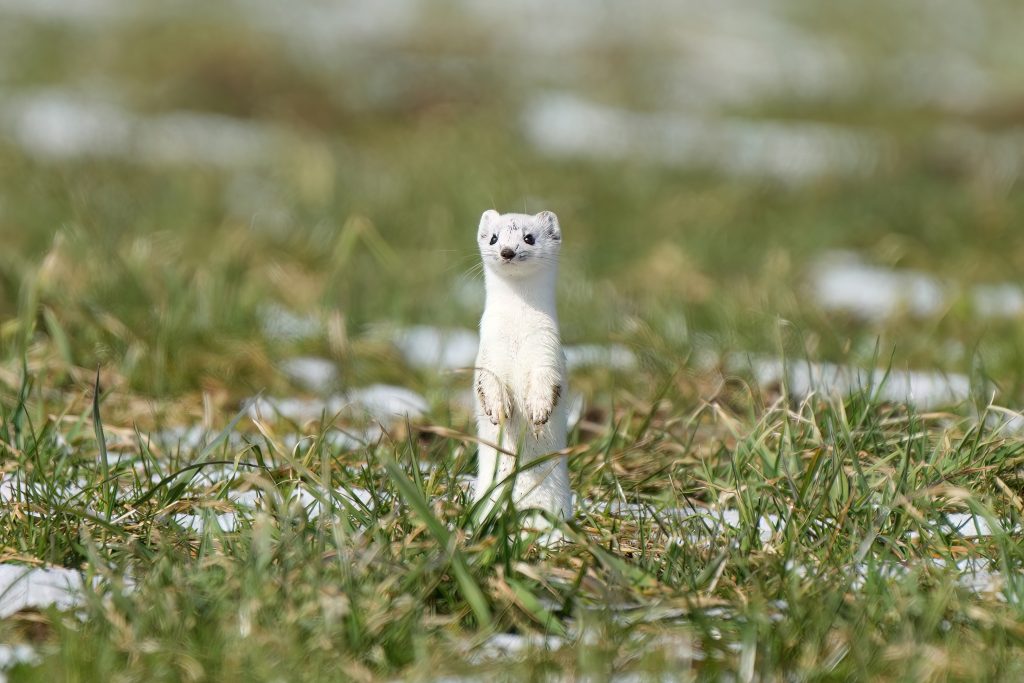
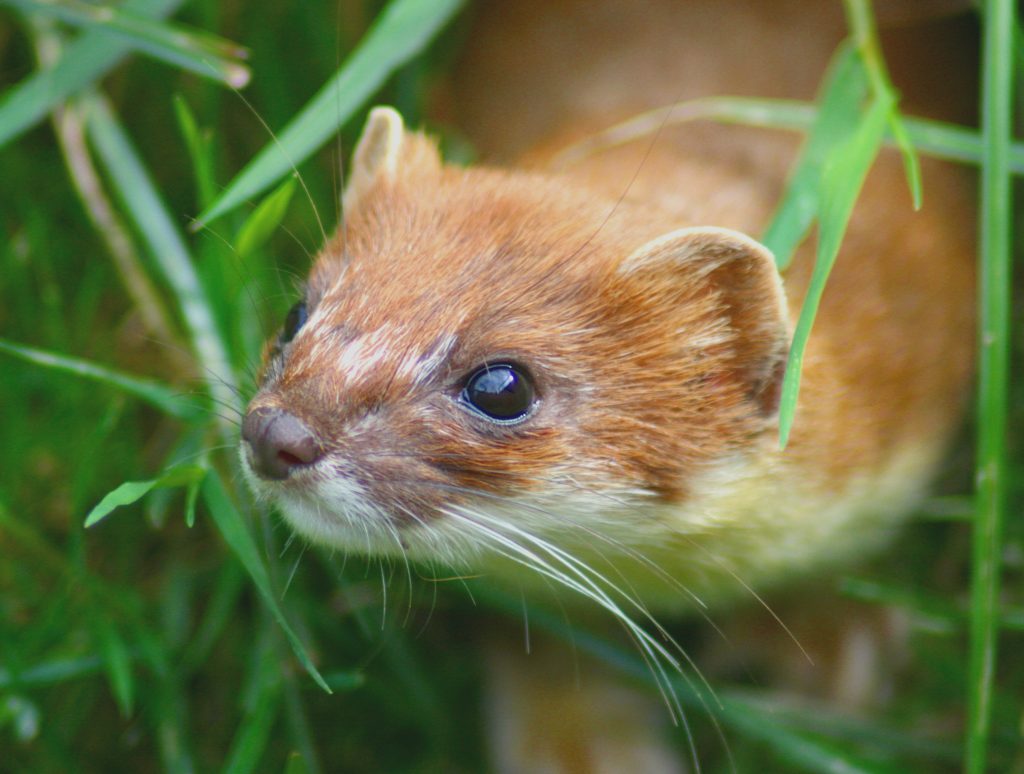
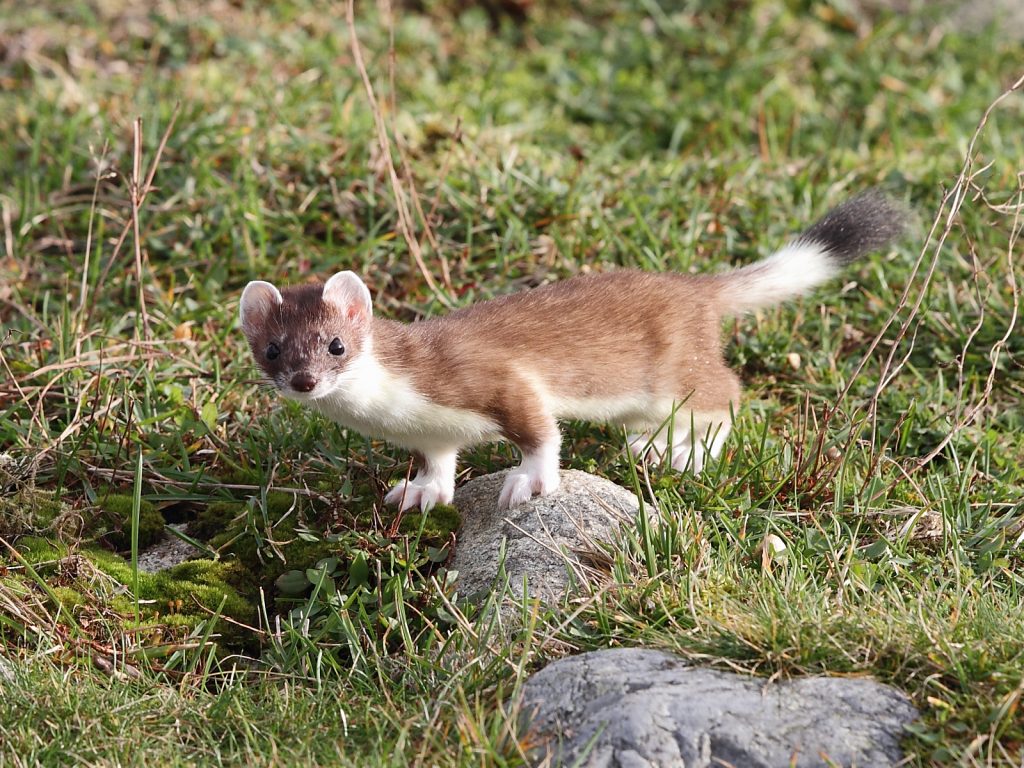
The stoat (Mustela erminea), also widely known as the short-tailed weasel or “ermine” in its winter coat, is currently capturing hearts across social media. With their elongated bodies, inquisitive black eyes, and incredibly bouncy “war dances,” it is easy to see why someone might mistake them for a miniature pet ferret or a tiny otter.
However, behind that endearing appearance lies one of the most formidable and high-energy predators in the animal kingdom. In this comprehensive review, we will dive deep into the reality of keeping a stoat, their unique biological quirks, and why these “tiny terrors” are rarely seen in the domestic pet world.
Overview
Stoats are small, agile mustelids native to the temperate regions of Eurasia and North America. While they are famous for their playful zipping and bounding, they possess a domineering presence that far outstrips their physical size. Here is a quick summary of what defines the stoat experience:
- Handling and Temperament: Highly energetic and predatory; generally not a “hands-on” pet.
- Care and Maintenance: Extremely demanding; requires high-security enclosures and specialized diets.
- Health and Durability: Hardy in the wild but highly susceptible to captivity-induced stress.
- Availability: Very rare; limited primarily to specialized researchers or rehabilitators.
- Cost: High initial investment for escape-proof housing and consistent fresh whole-prey diet.
- Overall: A fascinating species for observation, but ill-suited for the casual pet owner.
Why Choose a Stoat?
Choosing to keep a stoat—where legal—is a decision usually reserved for those dedicated to specialized mustelid husbandry. They are not pets in the traditional sense; they are a lifestyle. Their appeal lies in their sheer vitality and intelligence. Watching a stoat navigate an enrichment-filled enclosure is like watching a lightning bolt in fur. They are incredibly successful hunters and prolific breeders in the wild, which speaks to their biological resilience. However, for a household, they are better viewed as an “observation-only” species rather than a cuddly companion.
Handling and Temperament
When we look at the temperament of a stoat, we must acknowledge their wild roots. Unlike ferrets, which have been domesticated for over 2,000 years, stoats remain functionally wild even when born in captivity.
Personality Variations
- The “War Dance”: Stoats exhibit a frantic, jumping behavior known as a “weasel war dance.” In the wild, this is used to confuse prey, but in captivity, it is often a sign of high excitement or play.
- High Alertness: They are rarely still. A stoat is almost always investigating, sniffing, or cacheing food.
- Solitary Nature: Unlike ferrets, stoats are naturally solitary. We must emphasize that housing two stoats together is extremely dangerous, as they have been known to kill cage mates.
Handling Tips
- Observation Over Interaction: We recommend a hands-off approach. Stoats have a formidable prey drive and very sharp teeth.
- Bite Risk: A stoat bite is not a “nip.” They are designed to dispatch rabbits much larger than themselves with a single bite to the back of the neck.
- Speed: Their speed makes them difficult to hold without causing stress or risking an escape.

Care and Maintenance
Providing for a stoat is a significant undertaking. Because they have a metabolic rate that is incredibly high, their environmental and nutritional needs are non-negotiable.
Enclosure Setup
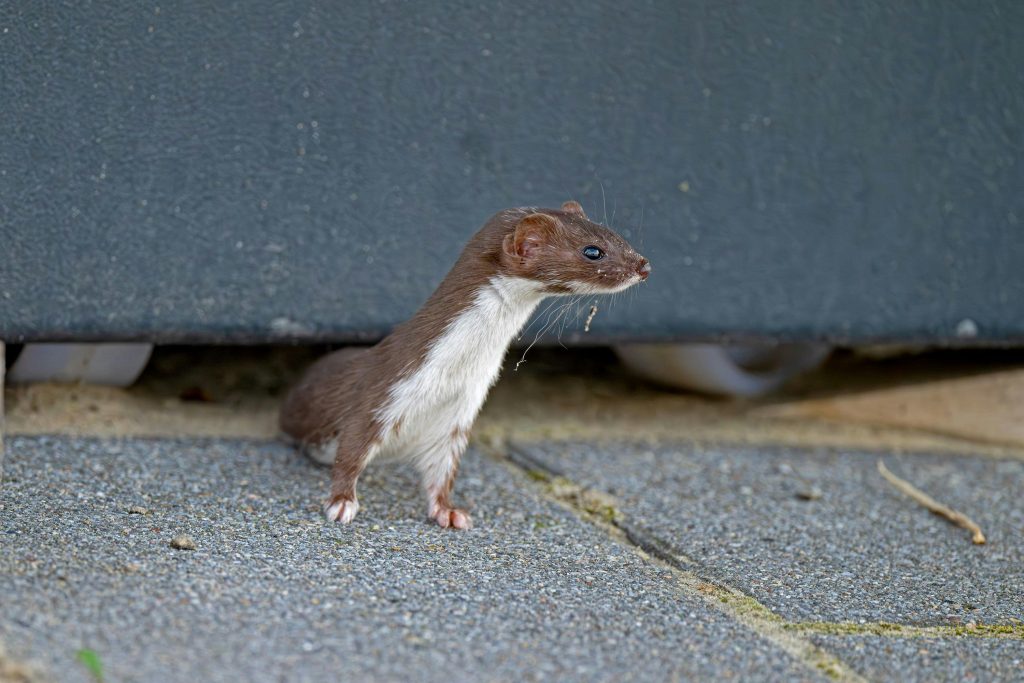
- Security is Key: Stoats can squeeze through any gap larger than their head (approximately 0.5 to 1 inch). We recommend large glass aquariums (48 inches or longer) or custom-built enclosures with fine metal mesh.
- Vertical Space: As skilled climbers and swimmers, they need verticality. Branches, stone walls, and “hedgerow” style cover mimic their natural British and Irish habitats.
- Size Requirements: A minimum of 10–12 square feet of floor space is recommended for a single animal to prevent stereotypic behaviors (pacing).
Diet and Nutrition
- True Carnivores: Stoats are “obligate carnivores.” In the wild, their diet consists of rodents, birds, eggs, and fish.
- The “Whole Prey” Necessity: Research shows stoats thrive best on live or pre-killed whole prey. We must provide items like day-old chicks, mice, or rabbit parts.
- Metabolism Statistics: A stoat must consume approximately 25–30% of its body weight every single day just to maintain its energy levels.
Reproductive Challenges
- Embryonic Diapause: This is a biological hurdle for any aspiring breeder. After mating, the embryo enters a state of “suspended animation” for 8 to 9 months.
- Stress Sensitivity: If a stoat is stressed by poor nutrition or a small enclosure, the embryo will fail to implant, leading to a failed pregnancy. This is why captive breeding is so rare.
Health and Durability
Stoats are biologically “hardwired” for a short, fast life. In the wild, their lifespan is often only 1–3 years, though they can reach 7–10 years in optimal captive conditions.
Common Health Issues
- Chronic Stress: This is the leading cause of death in captive stoats. It manifests in fur loss, pacing, and reproductive failure.
- Metabolic Crash: If a stoat goes more than a few hours without food, its blood sugar can drop to dangerous levels.
- Parasites: Wild-caught individuals often carry internal parasites that require immediate veterinary intervention.
Preventative Care
- Hygiene: Their droppings are long, twisted, and have a strong musty odor. Daily spot-cleaning is required.
- Hydration: Dehydration is a risk. We must ensure they have constant access to fresh water, as their high activity levels lead to rapid fluid loss.
Availability and Cost
Finding a stoat for sale is incredibly difficult. They are not commercially produced like mink or foxes because they are simply too difficult to farm for fur or pets.
Where to Find Them
- Specialist Breeders: There are almost no “pet” stoat breeders in North America. Most individuals in captivity are either in research facilities or wildlife rescues.
- Legal Restrictions: Because they are native wildlife in many areas, owning one often requires a Permit for Prohibited Wildlife or a Falconry/Abatement license, depending on your state or country.
Estimated Costs
- Initial Setup: $500 – $1,200 for a high-security, enriched enclosure.
- Monthly Food: $100 – $150 for high-quality whole prey (mice, chicks).
- Vet Care: Exotic vets who specialize in mustelids are rare and expensive.
Pros and Cons
Pros
- Incredibly intelligent and fascinating to observe.
- Small size makes them visually adorable.
- Unique seasonal color changes (the “Ermine” coat).
- Highly active, providing constant entertainment.
Cons
- Extremely difficult to source legally.
- High risk of biting and aggressive behavior.
- Requires a specialized “whole prey” diet (not for the squeamish).
- Solitary and aggressive toward other pets or stoats.
- Intense odor due to scent marking.

Final Thoughts
The stoat is a marvel of evolution—a tiny, fur-covered dynamo that can take down a rabbit five times its size. While they are trending online for their “bouncy” personalities, we must conclude that they are not suitable pets for the vast majority of people. Their demanding dietary needs, the complexity of their reproductive cycle (diapause), and their intense need for space make them a challenge even for expert keepers.
However, if you are a dedicated mustelid enthusiast with the resources to build a secure, stimulating habitat and the stomach for whole-prey feeding, the stoat offers a glimpse into one of nature’s most efficient lives. For everyone else, we recommend enjoying their “war dances” through a screen or at a specialized zoological exhibit.
Have you ever seen a stoat in the wild or at a rescue? What surprised you most about their speed? Share your thoughts in the comments below! We love hearing from fellow animal lovers.
For more deep dives into exotic animal care and wildlife reviews, be sure to subscribe to our newsletter and follow our journey into the world of unique pets! 🐾


Leave a Reply