

Hi there, pet lovers! 🌿
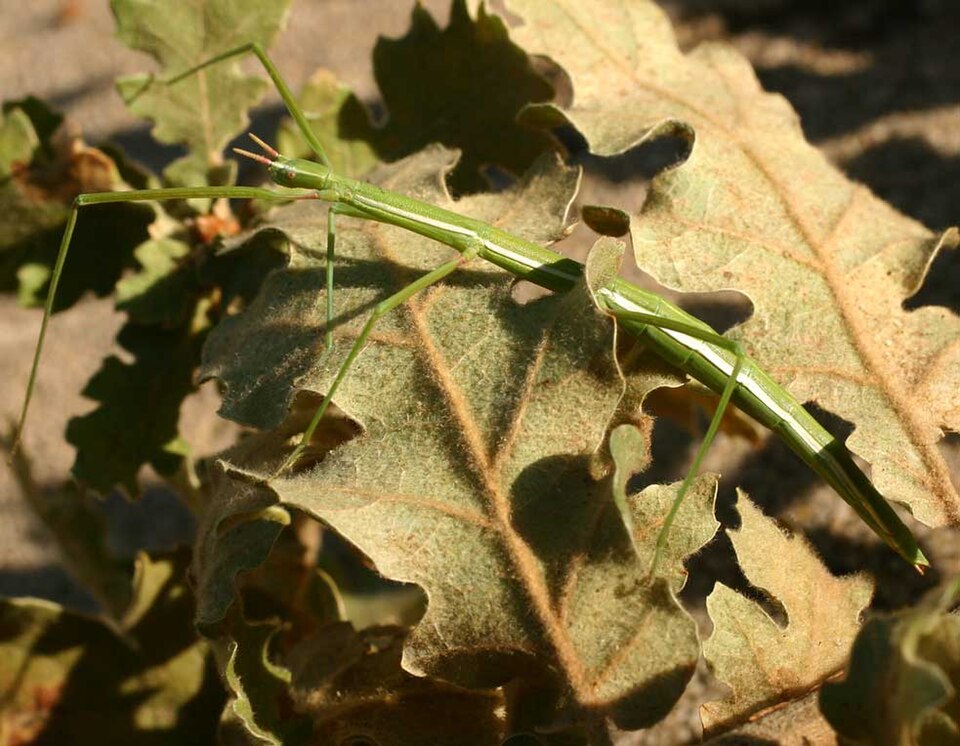
Stick insects, also known as phasmids or walking sticks, are some of the most captivating “living branches” in the animal kingdom. While they might not purr or fetch a ball, these masters of disguise offer a fascinating window into the world of entomology. They are quiet, scentless, and require very little space, making them a top-tier choice for students, busy professionals, or families looking for a unique pet that won’t break the bank. In this comprehensive review, we’ll dive deep into the world of stick insects to help you decide if one of these leafy legends belongs in your home.
Overview
Stick insects belong to the order Phasmatodea, which contains over 3,000 species worldwide. While their sizes and shapes vary wildly—ranging from the tiny species to the massive 22-inch “Chan’s Mega Stick”—the versions most common in the pet trade are hardy, gentle, and incredibly rewarding to observe. Here’s a quick summary of what it’s like to keep these insects:
- Handling and Temperament: Very docile and gentle; generally slow-moving but delicate.
- Care and Maintenance: Low-maintenance; requires specific humidity and fresh foliage.
- Health and Durability: Hardy if humidity is correct, but prone to limb loss during bad molts.
- Availability: Common through specialized insect breeders and online shops.
- Cost: Extremely affordable; essentially free to feed if you have access to safe plants.
- Overall: An excellent, educational pet for those who appreciate the wonders of camouflage.

Why Choose a Stick Insect?
We believe stick insects are the unsung heroes of the pet world. They are the perfect “desktop pet.” Because they are nocturnal, they won’t disturb you during the day, but they provide endless entertainment at night as they “sway” to mimic branches in the wind. Their unique reproductive methods—including the ability for females to produce young without a male—make them a living science experiment. For anyone with limited space or a limited budget, these insects offer a high “cool factor” with a very low daily time commitment.

Handling and Temperament
Stick insects are famous for being “look but don’t touch” pets, but most species are actually quite safe to handle if you are patient. They do not have the aggressive instincts of a praying mantis; instead, their primary defense is simply pretending not to exist.
Interaction and Behavior
- The “Sway” Dance: If you move near their enclosure, you may see them rocking back and forth. We find this behavior fascinating—they are actually mimicking a twig moving in a breeze to stay hidden from predators.
- The Pencil Pose: When resting during the day, they often tuck their legs flush against their bodies to look like a seamless extension of a branch.
- Grip Strength: They have tiny hooks on their feet. When picking them up, we never pull them directly off a surface, as this can tear their legs off. Instead, we gently nudge them from behind or place a hand in front of them so they walk onto us.
Defensive Mechanisms
While they are gentle, some species have tricks up their sleeves. The Giant Prickly Stick Insect (Extatosoma tiaratum) might curl its tail like a scorpion to look intimidating. Others may release a defensive spray that can be irritating to the eyes or skin, or even regurgitate a bitter liquid to deter “predators” (or curious owners). We recommend researching your specific species, but for most common types, a gentle nip is the most you’d ever experience—and even that is extremely rare.

Care and Maintenance
Setting up a home for a stick insect is straightforward, but there is one golden rule: Height is everything. Because these insects shed their skin (molt) by hanging upside down, they need vertical space to literally “fall” out of their old skins.
Enclosure Setup
- Size Requirements: The enclosure must be at least 3 times the length of the adult insect in height and 2 times the length in width. For a standard 4-inch species, a cage at least 12 inches tall is the bare minimum.
- Ventilation: Good airflow is vital to prevent mold. We recommend mesh enclosures or glass/plastic tanks with a screen top. However, if you live in a dry climate, a full-mesh cage might lose humidity too quickly.
- Substrate: We suggest using coconut fiber (eco-earth), moss, or even simple paper towels. The goal of the substrate is to hold moisture to keep the humidity up. Adding “cleaner crews” like springtails is a great way to handle fallen leaves and waste (frass) naturally.
Humidity and Temperature
- The Importance of Misting: Stick insects need a humidity level of roughly 60-80%. We recommend misting the enclosure daily with a spray bottle. This serves two purposes: it helps them molt safely and provides them with drinking water, as they drink droplets off the leaves.
- Temperature: Most species thrive at standard room temperatures between 70°F and 80°F. They generally do not require supplemental heat mats or lamps unless your home stays consistently below 65°F.
Feeding and Diet
Stick insects are strict herbivores. They are often called “skeletonizers” because they eat the green leafy parts of a plant and leave the “skeleton” of veins behind.
- Preferred Plants: Depending on the species, they love Bramble (blackberry/raspberry leaves), Oak, Rose, and Eucalyptus.
- The “Romaine” Trick: If you cannot find fresh wild leaves, many species will thrive on Romaine lettuce.
- Safety First: We cannot stress this enough—only collect leaves from areas guaranteed to be pesticide-free. Always rinse leaves thoroughly before adding them to the cage.
- Pro Tip: To keep food fresh, place the stems in a small jar of water (like a vase). Ensure the top of the jar is covered with mesh or cloth so the insects don’t fall in and drown.

Health and Durability
Stick insects are surprisingly hardy if their environmental needs are met, but they are fragile in the literal sense.
Molting and Limb Regeneration
The most dangerous time for a stick insect is the molt. If the environment is too dry, the insect can get stuck in its old skin, leading to deformed wings or lost limbs.
- Incomplete Metamorphosis: They go through “instars” (growth stages). Each time they shed, they grow roughly double in size.
- Regrowth: If a juvenile stick insect loses a leg, don’t panic! We have seen them grow an entire new leg back during their next molt. However, once they reach the adult stage, they stop molting and can no longer regenerate limbs.
Respiratory Health
Insects don’t have lungs like we do. They breathe through tiny holes called spiracles located along their sides. This is why we advise against deep, open water dishes. If their body becomes submerged, they can drown even if their head is above water.

Availability and Cost
One of the best parts about this hobby is how accessible it is. Stick insects are generally very “budget-friendly” pets.
- Initial Cost: A starter nymph (baby) can cost anywhere from $5 to $30 depending on the rarity of the species.
- Setup Expenses: You can put together a high-quality habitat for under $50. If you use a mesh pop-up cage and collect safe branches from your yard, your costs are practically zero.
- Lifespan: Females generally live longer than males. You can expect a female to live between 12 and 18 months, while males often live 9 to 12 months.

Pros and Cons
Pros
- Silent, odorless, and requires very little space.
- Fascinating “cloning” reproduction (parthenogenesis).
- Educational for children and adults alike.
- Virtually free to feed if you have access to bramble or oak.
- Incredible natural camouflage is a great conversation starter.
Cons
- Relatively short lifespan compared to reptiles.
- Very delicate; legs can break easily with rough handling.
- Strict requirements for humidity and vertical molting space.
- Nocturnal nature means they are most active when you are asleep.

Final Thoughts
We believe stick insects are a masterclass in the beauty of evolution. They aren’t “cuddly,” but they offer a different kind of companionship—a quiet, graceful presence that turns a corner of your room into a mini-ecosystem. If you are willing to spend five minutes a day misting their cage and ensuring they have fresh greens, you will be rewarded with one of the most unique pets on the planet.
Their ability to blend into the background is their greatest strength, but once you start watching them, they’ll stand out as one of the most interesting animals you’ve ever owned.
Would you like us to help you identify which species of stick insect would be best for your specific climate or home setup? 🌿


Leave a Reply