
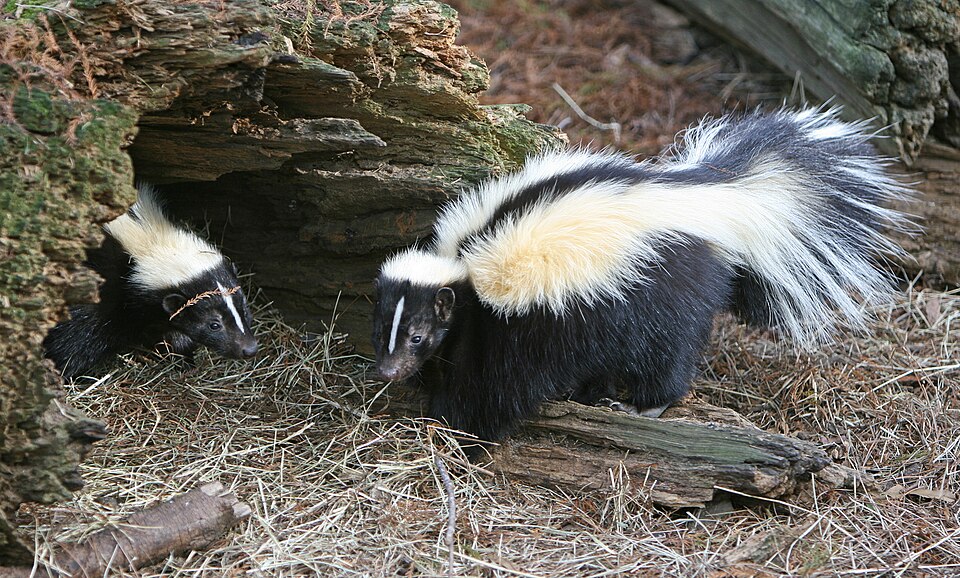
Hi there, pet lovers! 🦨
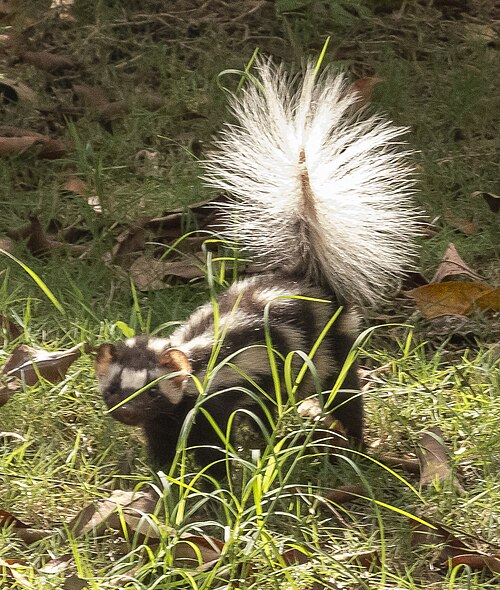
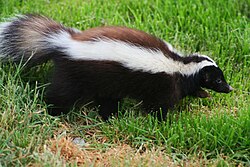
When most people think of skunks, they immediately think of that famous defensive spray. However, in the world of exotic pets, the domestic skunk (typically the Striped Skunk, Mephitis mephitis) is gaining a reputation as an incredibly affectionate, intelligent, and “cat-like” companion. While they aren’t the right fit for every household, those who are prepared for their unique needs find them to be one of the most rewarding animals to keep. In this detailed review, we’ll explore the ins and outs of skunk ownership, from their complex dietary requirements to the legalities of keeping a “vector species.”
Overview
Domestic skunks are sensitive, highly intelligent mammals that require a significant amount of dedication. Unlike a hamster or a fish, a skunk is a long-term commitment that functions much like a toddler—curious, stubborn, and occasionally mischievous. Here’s a quick summary of what makes them stand out:
- Handling and Temperament: Highly social and affectionate with owners, but can be wary of strangers and prone to “stomping” when startled.
- Care and Maintenance: High-maintenance. They require specialized diets, metabolic monitoring, and consistent litter training.
- Health and Durability: Prone to obesity and metabolic bone disease; requires a specialized exotic vet.
- Availability: Limited. They must be purchased from licensed captive-bred breeders; taking one from the wild is illegal and dangerous.
- Cost: Moderate to high. Initial purchase and setup can be pricey, and annual permits are often required.
- Overall: A rewarding, long-lived pet for experienced owners who can provide a strictly controlled environment.
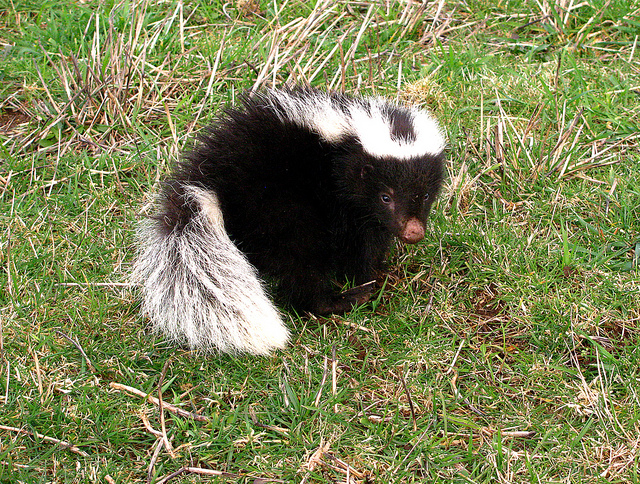
Why Choose a Skunk?
We believe skunks are a hidden gem in the pet world for the right owner. They offer a level of interaction that rivals dogs and cats; they can learn their names, play with toys, and even cuddle on the couch. Because they are crepuscular (most active at dawn and dusk), they often align well with the schedules of working professionals. However, choosing a skunk means committing to a 10-year journey of specialized care that many standard pets simply do not require.
Handling and Temperament
Skunks are often described as a mix between a cat, a dog, and a ferret. They are remarkably intelligent and can be quite demanding of your attention. Unlike many other exotic pets, skunks form deep emotional bonds with their “human family,” though they may remain indifferent or even grumpy toward people they don’t know.
Personality Variations
Every skunk is an individual. We have observed that some are “chubsters” who prefer to lounge and be pampered, while others are high-energy explorers. It is important to note that skunks have poor eyesight—they can only see clearly for about 10 feet. Because of this, they are easily startled. A skunk that feels threatened may stomp its front feet or raise its tail as a warning. In a domestic, descented skunk, this is harmless but should be respected to build trust.
Socialization and Safety
Socialization is critical during the first few months of life. We recommend carrying your baby skunk (known as a kit) in a bonding sling or soft pouch as often as possible. This helps them get used to your scent and heartbeat.
Important Legal Note: In many regions, skunks are considered a “rabies vector species.” This means that if your pet skunk bites a stranger and that person goes to the hospital, the state may be legally required to seize and euthanize the animal for rabies testing, regardless of whether the skunk was vaccinated. For this reason, we advise that you never allow strangers to handle your skunk in a way that could lead to a nip.
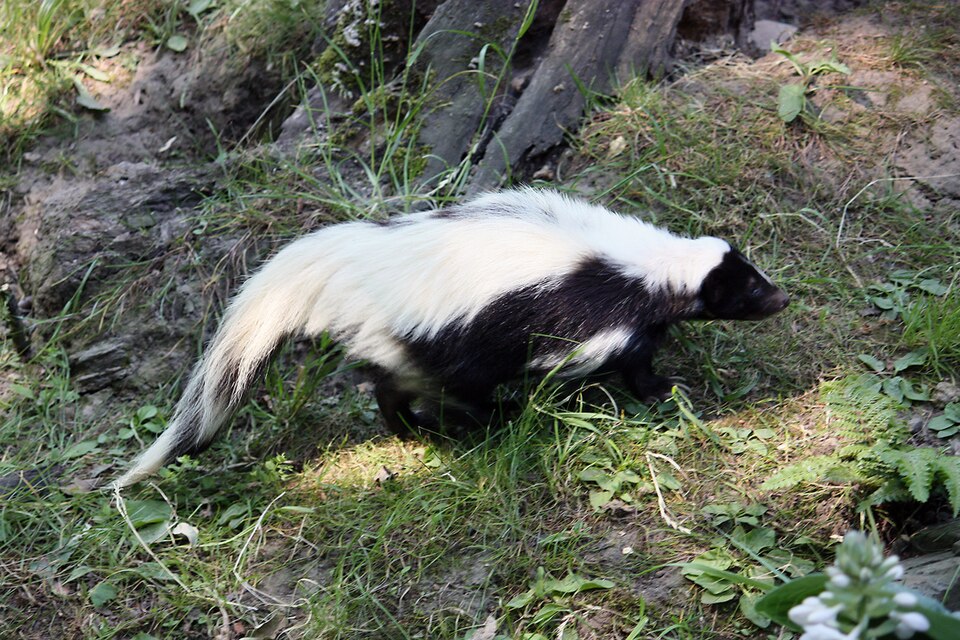
Care and Maintenance
While they are charming, skunks are objectively high-maintenance animals. Their biology is sensitive, and they do not “bounce back” from poor husbandry as easily as some other mammals.
Enclosure and Housing
We do not recommend keeping a skunk in a small cage for 24 hours a day. They are “house roamers” by nature, but they need a secure “home base.”
- The Safe Zone: When you first bring a kit home, use a large dog crate, a playpen, or a baby-gated room. This area should include their bed, litter box, and food/water bowls.
- Proofing: You must “skunk-proof” your home. They are expert diggers and can wedge themselves into incredibly small gaps behind appliances or under cabinets.
- Substrate and Bedding: Use soft blankets and indestructible dog beds. Skunks love to burrow, so providing plenty of “nesting” material is essential for their comfort.
Litter Training
One of the most appealing aspects of skunks is that they can be litter trained relatively quickly.
- The Golden Rule: You must use recycled newspaper pellets. Never use clumping clay cat litter; if a skunk ingests it, it can cause a fatal intestinal blockage.
- Training Tip: Leave “one small deposit” in the box at all times during the training phase. This scent marker tells the skunk exactly where their bathroom is.
Diet and Nutrition
Diet is the most complex part of skunk ownership. In the wild, they are opportunistic omnivores. In your home, they are prone to extreme obesity.
- For Baby Kits: For the first month, all food must be softened with warm water. Hard kibble can cause a prolapsed rectum in young kits, which is a serious medical emergency. We also suggest adding a tiny drop of honey or syrup to their food during the first few weeks to prevent “sugar crashes” (hypoglycemia).
- The Adult Diet: We recommend a mix of lean proteins (boiled chicken, turkey, or egg), a wide variety of vegetables (squash, carrots, broccoli, and leafy greens), and a high-quality, low-fat dog kibble or specialized skunk food.
- Supplements: This is non-negotiable. Skunks require daily Taurine (for heart health) and Calcium (sprinkled on food 3 times a week) to prevent metabolic bone disease.
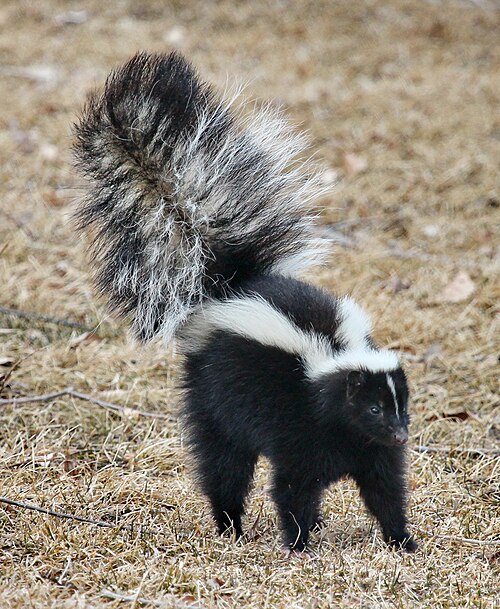
Health and Durability
A healthy domestic skunk can live between 7 and 10 years, with some reaching up to 12 to 15 years in optimal conditions. However, their health is entirely dependent on the owner’s diligence.
Common Health Issues
- Obesity: Skunks have very slow metabolisms. An overweight skunk will develop joint issues and liver disease. We suggest using a “cat wheel” to encourage exercise.
- Parasites: Regular deworming is essential. Kits often arrive with roundworms or coccidia and require a strict medication schedule (often involving liquid dewormers like Albon).
- Hypoglycemia: Especially in kits, blood sugar can drop dangerously low if a meal is missed, leading to seizures.
Grooming and Hygiene
Skunks are generally clean animals. You can clean their ears and trim their nails just as you would for a ferret or dog. We recommend avoiding full baths for the first month to reduce stress. Afterward, use a tearless baby shampoo or unscented wipes.
Availability and Cost
Acquiring a skunk is not as simple as walking into a local pet store. It requires planning and adherence to state laws.
Where to Buy
- Licensed Breeders: This is the only recommended source. Captive-bred skunks are handled from birth and are legally “descented” (the scent glands are removed at around 4 weeks old).
- Permits: In states like New Jersey, you must obtain a “Captive Game Permit.” This usually costs around $12 per year and requires an annual renewal.
Estimated Costs
- The Skunk: Depending on the color (Classic Black and White, Chocolate, Lavender, or Albino), a kit can cost anywhere from $400 to $1,500.
- Initial Setup: Expect to spend $200 to $500 on a high-quality pen, bedding, initial vet visit, and a stock of supplements.
- Annual Maintenance: Between food, permits, and specialized exotic vet check-ups, we estimate an annual cost of $600 to $1,000.

Pros and Cons
Pros
- Extremely affectionate and bond closely with owners.
- Intelligent and capable of being litter trained and learning tricks.
- Low noise level; they don’t bark or howl.
- Unique and fascinating “personality” that differs from traditional pets.
Cons
- Very strict dietary and supplement requirements.
- Legal restrictions and permit requirements in many states.
- Poor eyesight makes them prone to being startled.
- Finding a vet qualified to treat them can be difficult and expensive.
Final Thoughts
We believe that for the dedicated pet enthusiast, the skunk is one of the most rewarding animals on the planet. They are not “set and forget” pets; they are members of the family that require your time, your patience, and a very specific grocery list. If you are prepared to manage their diet, secure your home, and navigate the legalities of your state, you will be rewarded with a loyal, playful, and snuggly companion unlike any other.
If you’re considering bringing a “stinker” into your life, we highly recommend connecting with local rescue groups or licensed breeders to learn the specific laws in your area.
Have you ever shared your home with a pet skunk? We would love to hear your stories about their unique quirks and how you manage their “winter wiggle” in the comments below! 🦨


Leave a Reply